


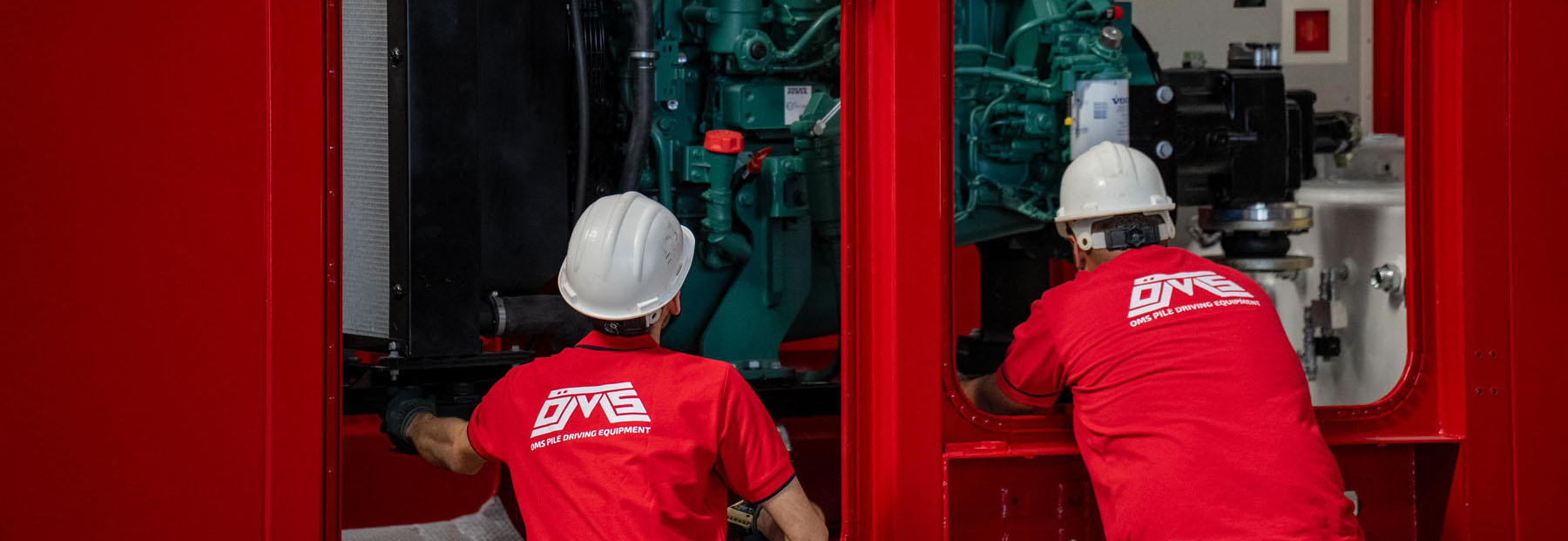
Assembly
Assembly Process at OMS Vibro
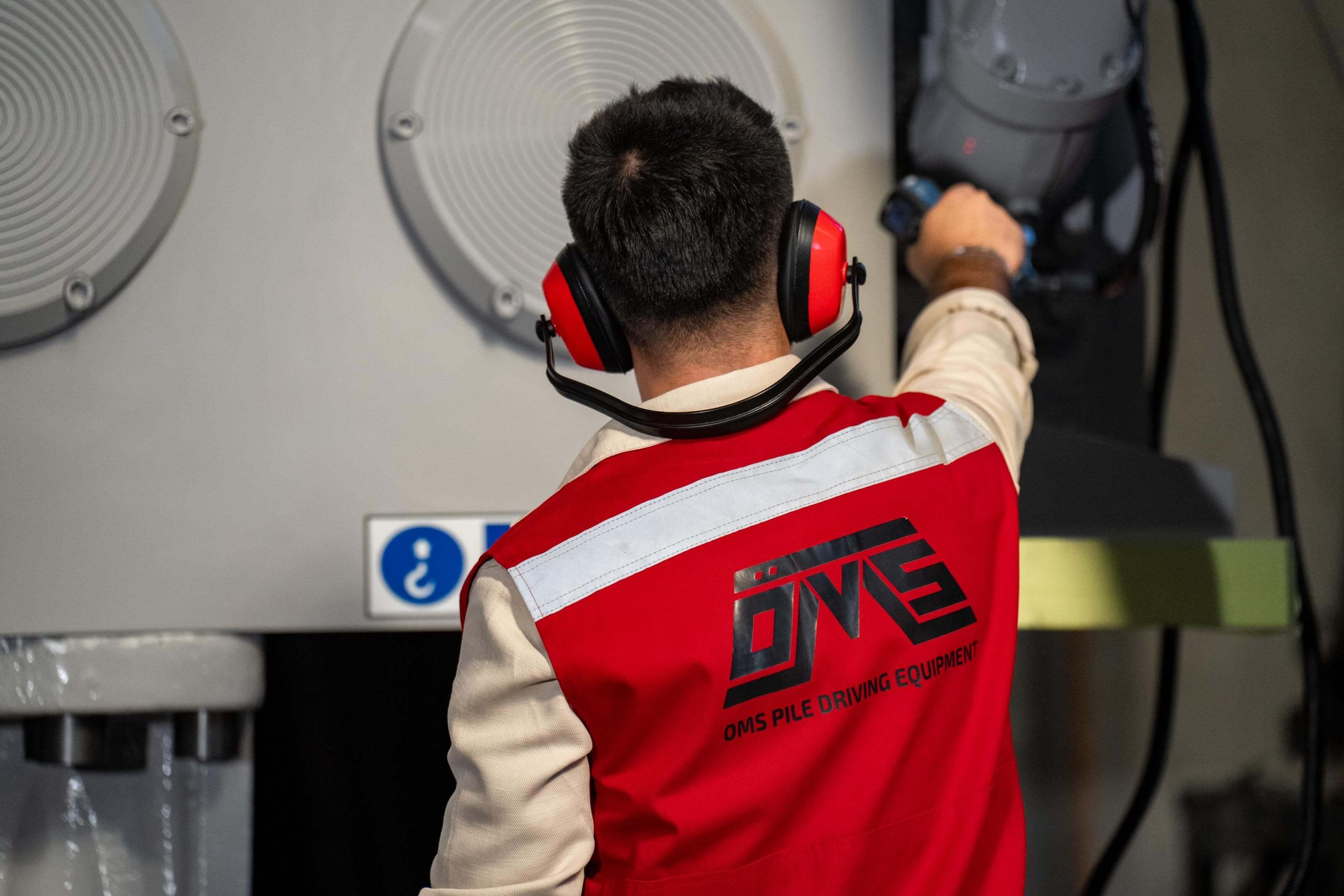
At OMS Vibro, the assembly process is not merely a finishing operation in production; it is one of the fundamental production stages in which the machine’s different systems are brought together into a single functioning structure. Mechanical, hydraulic and electrical components whose production and quality inspections have been completed are assembled in accordance with approved technical drawings, assembly procedures and the relevant machine specifications.
For vibratory hammers and other heavy-duty hydraulic equipment, assembly quality is not limited to placing parts in the correct positions. Alignment, connection security, hydraulic line routing, the lubrication system, the operating clearances of moving parts and compatibility between systems must be evaluated together.
For this reason, the OMS Vibro assembly approach treats mechanical, hydraulic and electrical systems not as independent subassemblies, but as interacting parts of the complete machine.
Pre-Assembly Inspection of Parts and Subassemblies
Before assembly begins, the parts and subassemblies to be used are inspected. The purpose of this stage is to ensure that only components that have passed the required production and quality control processes are included in the assembly line.
Mating surfaces, fasteners, bearing areas, machined surfaces, hydraulic components and other parts considered critical for the machine model are evaluated for suitability for assembly.
These pre-assembly inspections help identify potential incompatibilities at an early stage. The aim is thereby to prevent situations that could require a subassembly to be removed after installation and to maintain a controlled production flow.
Assembly of Mechanical Components
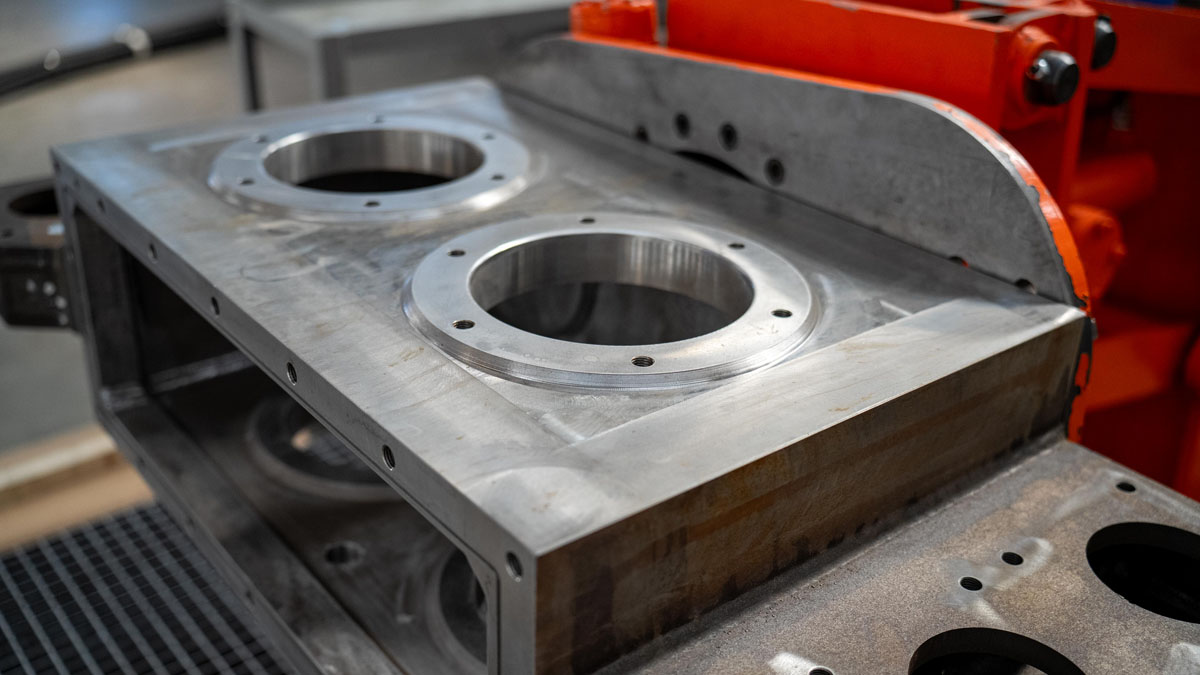
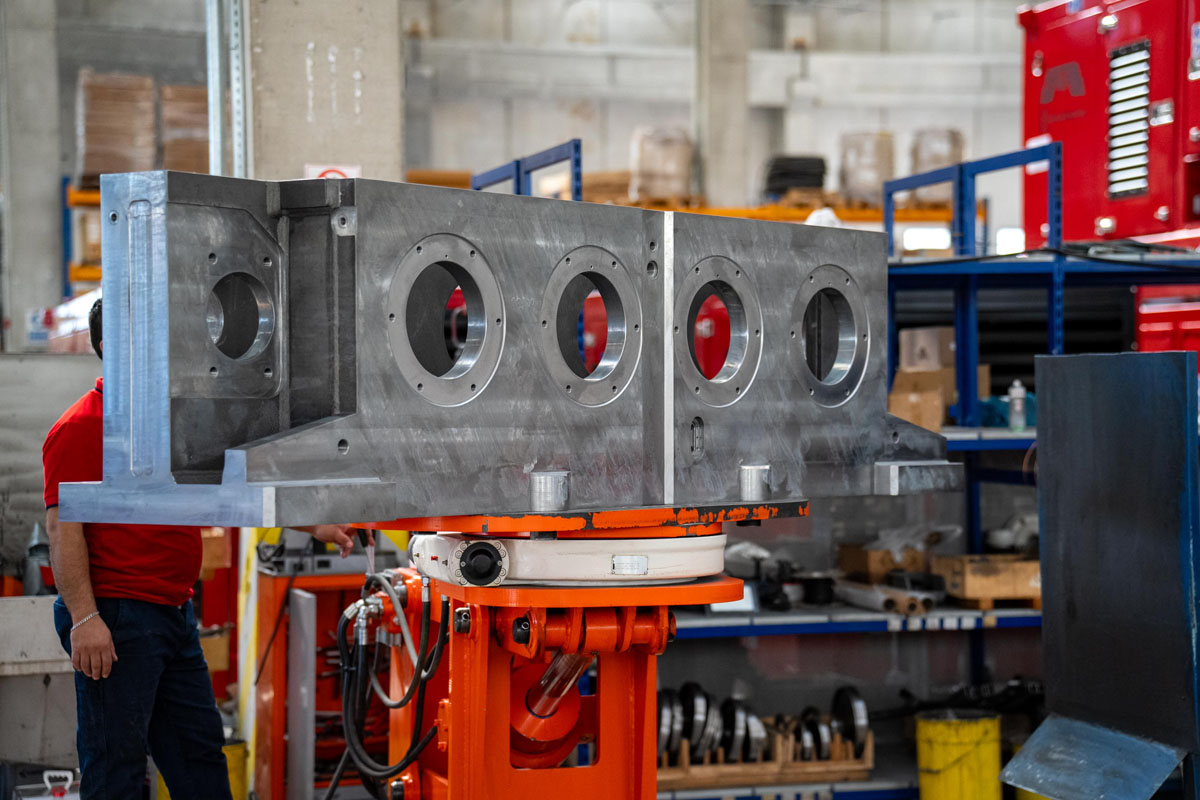
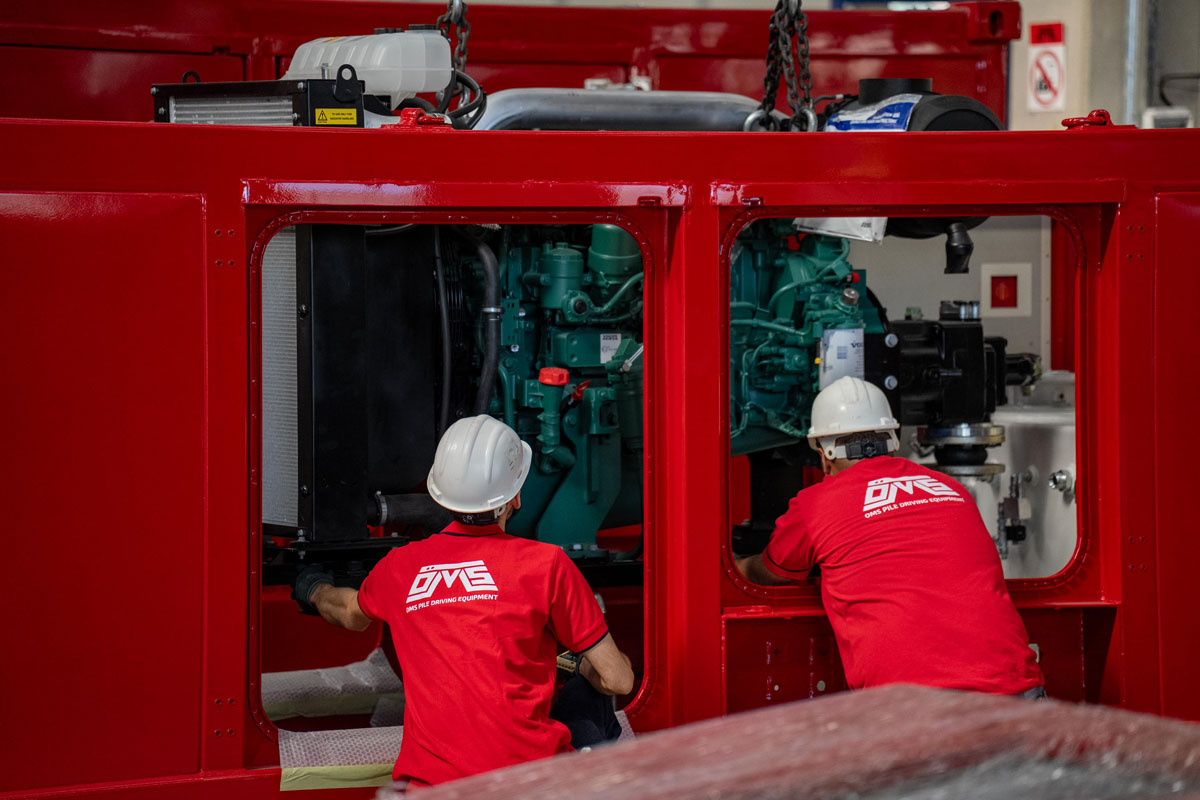
The OMS Vibro assembly process continues with the formation of the machine’s main mechanical structure. Components are assembled in a controlled manner according to the specified assembly sequence for the relevant machine model.
Depending on the machine design, the assembly process may include the gearbox, eccentric assemblies, hydraulic motors, vibration isolation elements, connection parts and other machine-specific mechanical components.
At this stage, not only the correct installation of the component but also its relationship with the surrounding systems is evaluated. It is important that it does not obstruct access for subsequent assembly operations, that connections are positioned correctly and that the required operating clearances for moving parts are maintained.
Inspection of Alignment and Critical Connections
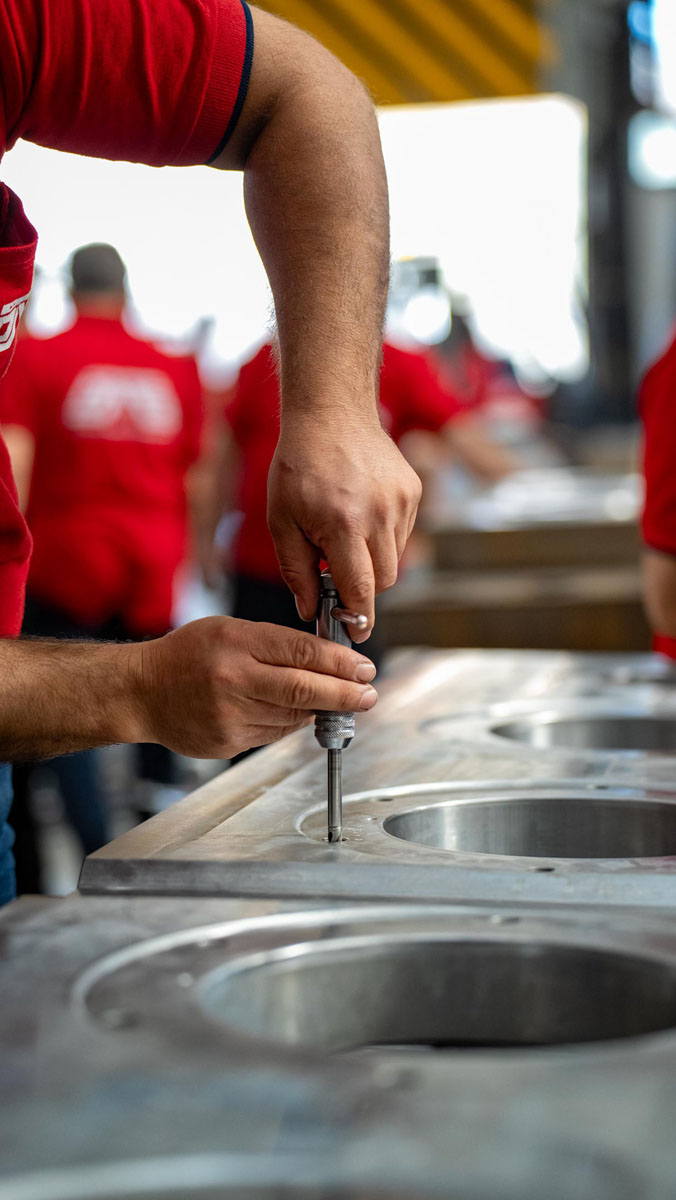
Correct positioning of connection points is critically important in systems that generate vibration or operate under high mechanical loads.
For this reason, mating surfaces, bearing points, mechanical connections and the alignment of the relevant subassemblies are inspected during assembly. Connections that are important for assembly safety are evaluated according to the relevant technical drawings and assembly procedures.
The aim is to prepare the mechanical system in a configuration that can operate as designed during subsequent factory tests.
Hydraulic System Assembly
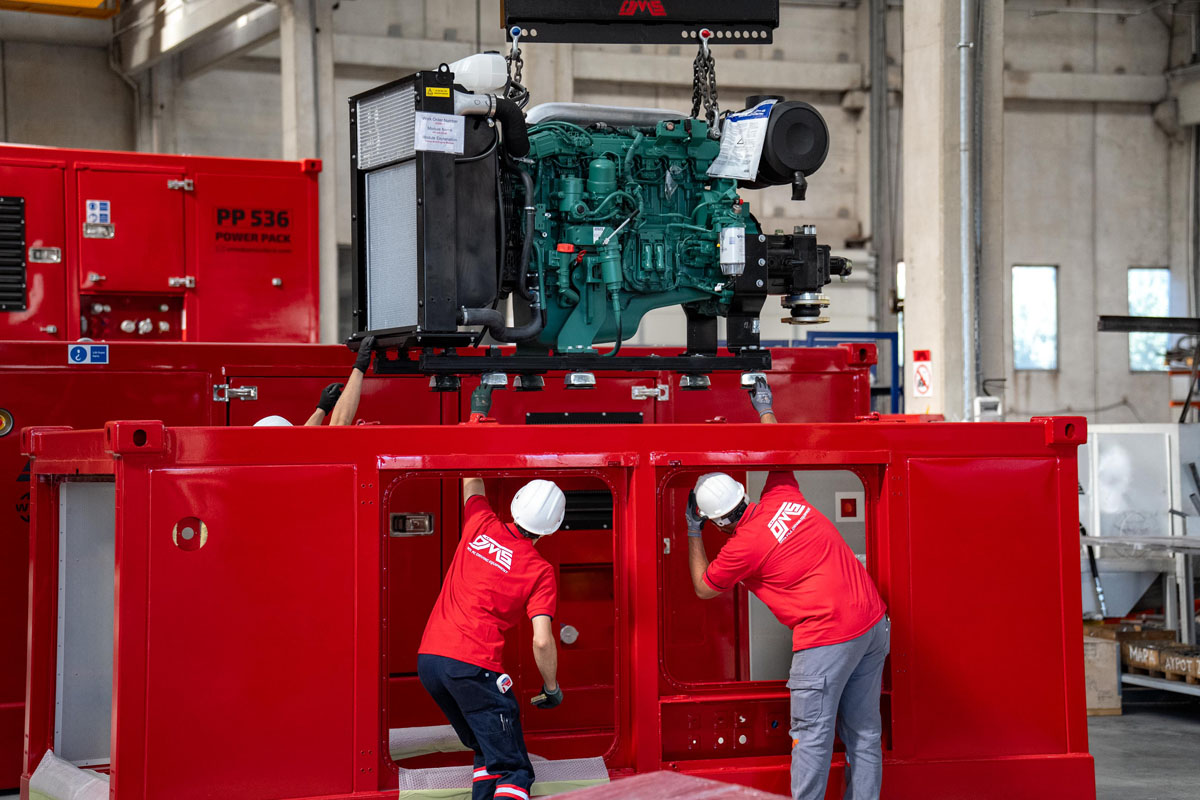
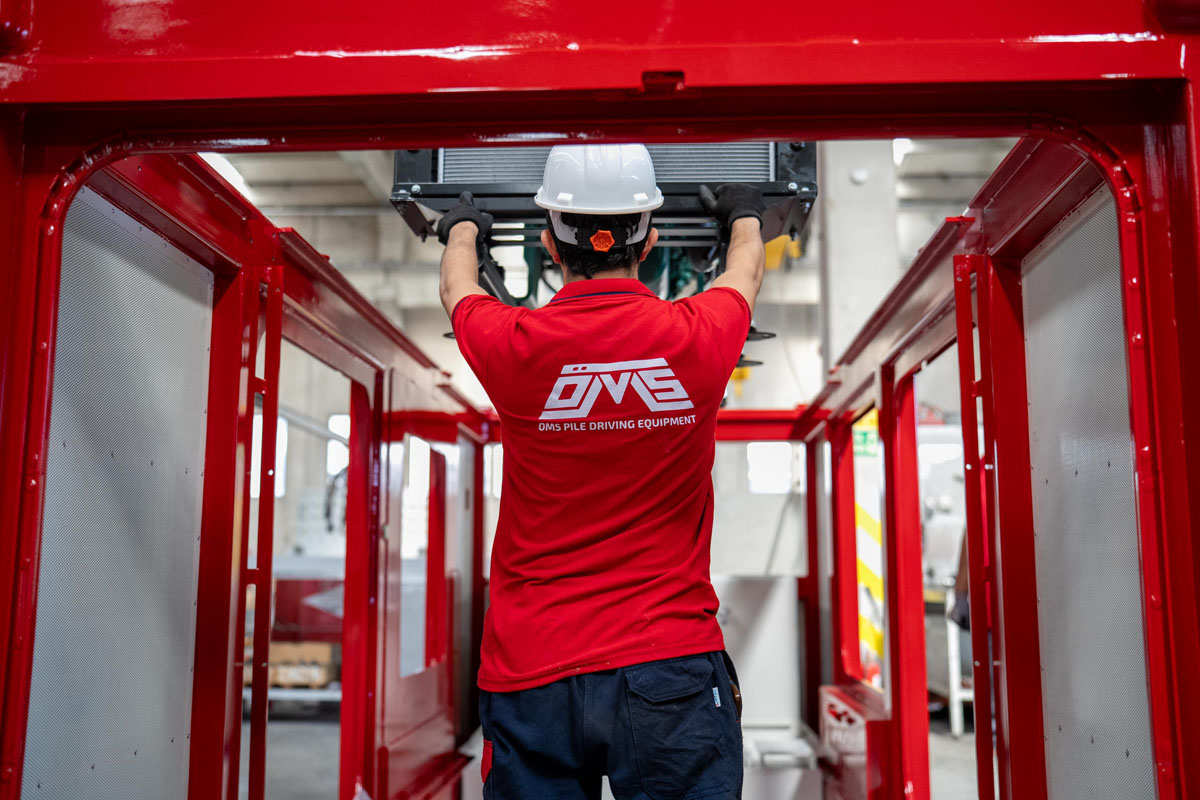
As mechanical assembly progresses, hydraulic system components are integrated into the machine.
Depending on the machine configuration, hydraulic motors, valve blocks, cylinders, hoses, fittings and other hydraulic components are connected in accordance with the system design.
Arrangement of Hydraulic Hose Routes
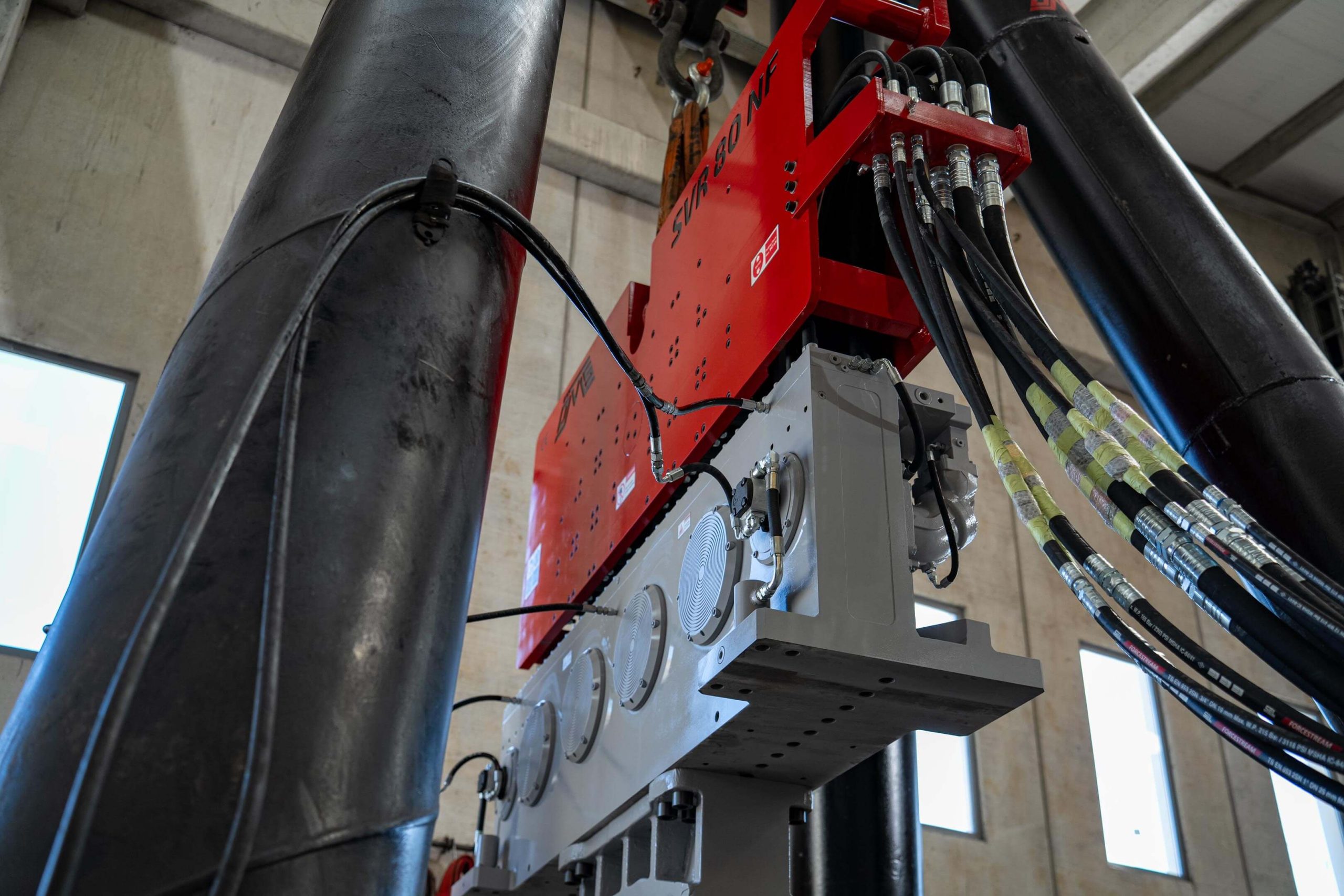
Hose routing is an important inspection point in hydraulic system assembly. It is not sufficient for hoses merely to form a connection between two components.
When determining the route, the possibility of contact with moving parts, excessive bending, abrasion, pinching and mechanical movements that may occur during operation are taken into account.
Proper routing and securing of hoses help keep mechanical stresses under control under the system’s operating conditions.
Assembly and Inspection of the Lubrication System
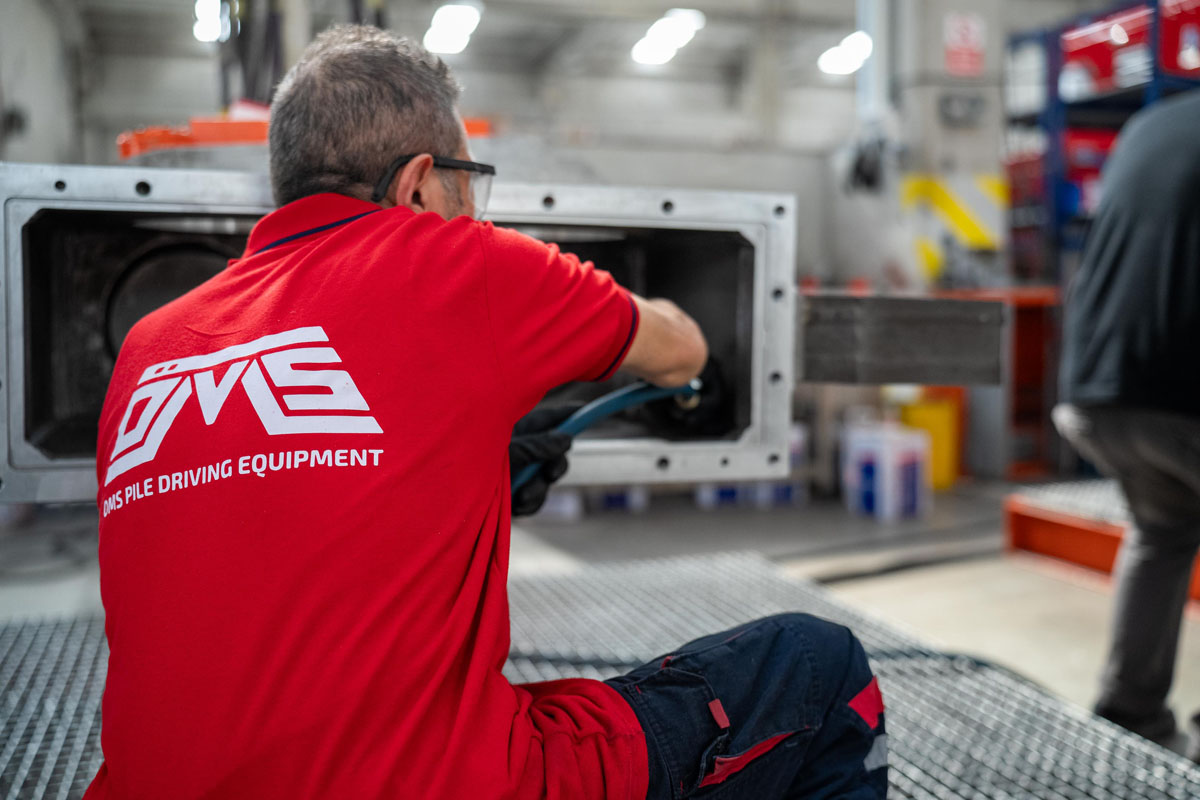
Lubrication of gearboxes, bearings and other moving mechanical components is one of the fundamental operating requirements of the machine system. The lubrication system is therefore treated as a separate inspection area within the assembly process.
Depending on the machine design, lubrication lines, oil circulation connections, filtration elements and related connection points are inspected.
The primary objective during assembly is to ensure that the relevant gears, bearings and moving parts have the lubrication conditions specified in the design when the machine proceeds to factory testing.
Integration of Electrical and Control Systems
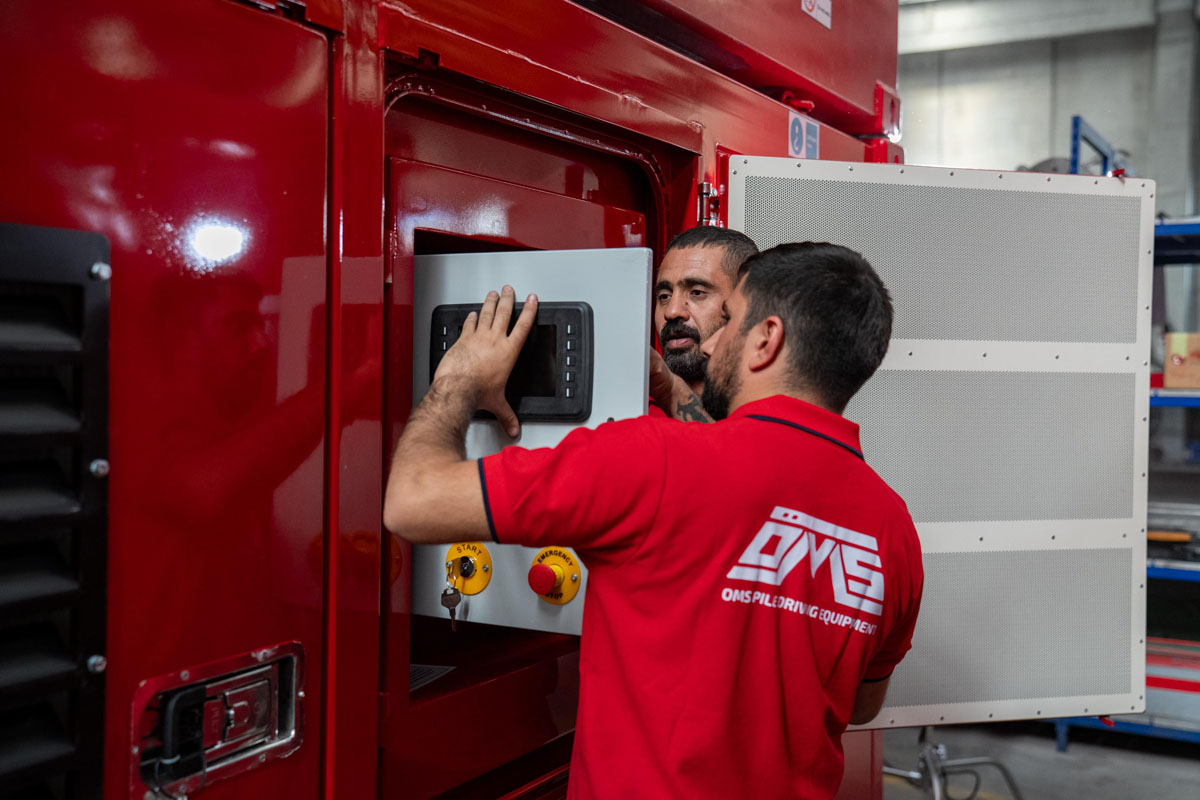
On OMS Vibro equipment equipped with electrical or electronic control systems, sensors, cables, connectors and control components also form part of the assembly process.
When routing electrical cables, vibration, temperature, moving mechanisms and the possibility of mechanical contact are taken into account. Cables are routed and secured so that they will not be damaged during operation.
Correct integration of the control components provides the infrastructure required for subsequent function and performance tests to be carried out properly.
Combined Integration of Mechanical, Hydraulic and Electrical Systems
One of the key aspects of the OMS Vibro assembly approach is that different systems are evaluated together within the complete machine rather than in isolation.
Correct installation of the mechanical system, correct connection of the hydraulic system or independent operation of the electrical system alone is not sufficient. The machine must be capable of using all these systems together in a controlled manner during operation.
For this reason, interconnections between systems are continuously considered throughout assembly. Matters such as preventing hydraulic hoses from being affected by mechanical movements, protecting electrical cables in vibrating areas and ensuring that the lubrication system properly serves moving components are evaluated in an integrated manner.
This approach forms the basis of the subsequent testing and validation process.
Post-Assembly Inspections
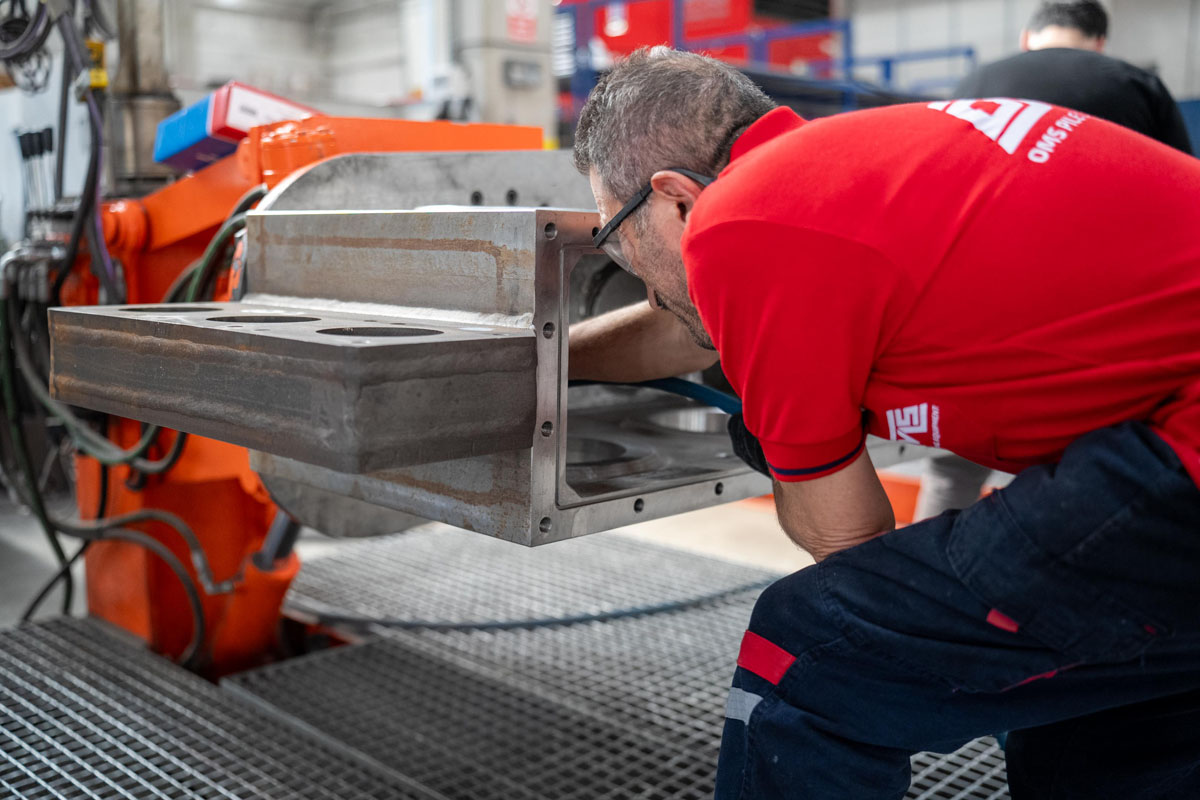
After the machine’s main assembly has been completed, a general assembly inspection is carried out before proceeding to the testing stage.
These inspections cover mechanical connections, hydraulic connections, hose routes, lubrication points, electrical connections and safety-related components.
If any missing, incorrectly positioned or non-compliant condition is identified, the necessary corrections are completed before the machine is transferred to the testing process.
This inspection step forms an important transition point between assembly and factory testing.
From Assembly to Testing and Performance Validation
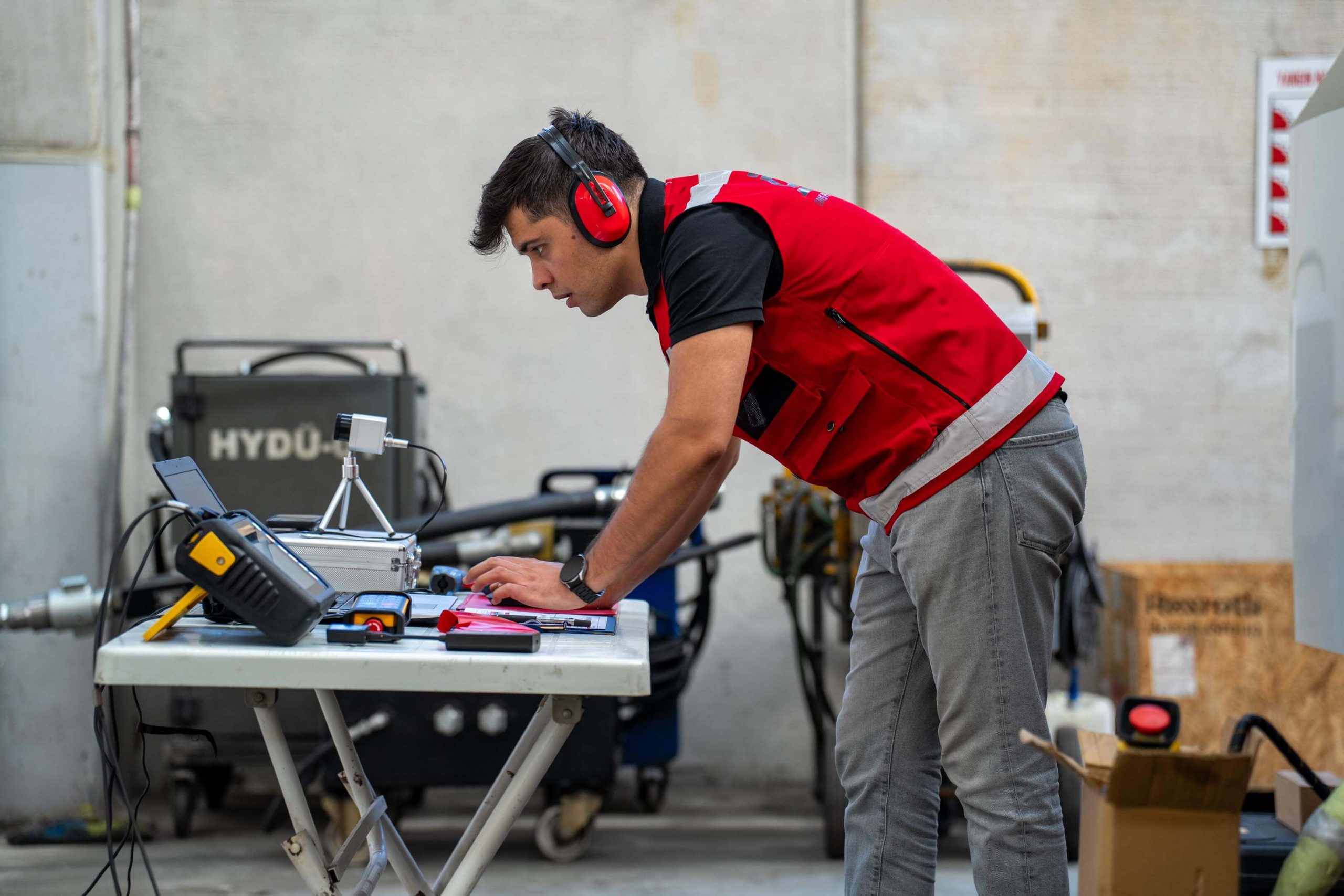
Once assembly operations have been completed, the fully assembled machine is transferred to factory testing and performance validation.
At this stage, the behaviour under operating conditions of the mechanical, hydraulic and electrical systems brought together during assembly is evaluated as a whole.
The purpose of the assembly process is not merely to create a physically complete machine. The main objective is to bring the equipment into a complete and controlled configuration in which the subsequent testing stages can be performed.
For this reason, production, quality control, assembly, testing and validation are treated as consecutive, interconnected processes in the OMS Vibro production approach.
The Role of Systematic Assembly in Field Reliability
A machine’s performance in the field does not depend solely on the components used. Assembling these components in the correct sequence, in the correct positions and in harmony with other systems also directly affects the equipment’s operating characteristics.
Through a systematic and controlled assembly process, OMS Vibro aims to ensure that every machine is built in accordance with its design requirements and is fully prepared for the subsequent testing stages.
This integrated approach, applied from production to assembly and from assembly to testing and validation, provides the technical foundation required for reliable, controlled and efficient operation of the equipment in the field.
Frequently Asked Questions
Assembly begins after the production and required quality control stages for the relevant mechanical, hydraulic and electrical components have been completed.
The aim is to ensure that only parts meeting the relevant requirements are included in the assembly line and that potential incompatibilities are identified before the later stages of assembly.
Hoses must not contact moving parts, be bent excessively, be exposed to abrasion or be adversely affected by operating movements.
Yes. Depending on the machine design, lubrication points, gearbox lubrication lines, filtration elements and related oil circulation connections are inspected.
No. The fully assembled machine is then transferred to factory testing and performance validation processes.
Because these systems interact with one another during operation. The purpose of assembly is not to create independent subsystems, but to prepare the complete machine so that it can operate as a whole.
OMS Vibro Value Propositions
At OMS Vibro, assembly is not simply a stage in which parts completed during production are brought together. The mechanical structure, hydraulic power transmission, lubrication system, and electrical and control components are integrated with consideration for the operating requirements of the complete machine.
Through inspections performed after assembly, the equipment is prepared for factory testing and performance validation. This ensures an integrated production approach from production to quality control and from assembly to testing.
For more information about OMS Vibro production, engineering and equipment solutions, or to evaluate the system configuration suitable for your project, please contact the OMS Vibro technical team.
Get professional advice to find the most efficient equipment for your application.