


Service & Comissioning
On-Site Installation and Commissioning for OMS Vibro Equipment
Delivery of heavy foundation equipment to the jobsite is only the beginning of the operational process. Before production starts, the machine must be correctly integrated with its carrier, hydraulic power source, clamps, control system and project-specific accessories. Incorrect connections, unsuitable hydraulic conditions or an incomplete functional check can create unnecessary downtime and operational risk during the first working shifts.
OMS Vibro positions after-sales technical support around installation, maintenance and repair requirements. Its product portfolio covers crane suspended and excavator mounted vibratory hammers, side grip pile drivers, hydraulic power packs, hydraulic clamps, vibroflotation equipment and Wick Drain installation equipment.
Within OMS Vibro Service and Repair, on-site installation and commissioning provides a structured transition from equipment delivery to controlled operation. The objective is not simply to start the machine. The complete system must first be checked as an integrated working unit.
Learn more about OMS engineering and after-sales support through the OMS Vibro Services page.
Why Is Professional Commissioning Important?
Foundation equipment operates through the interaction of mechanical, hydraulic and control systems. A vibratory hammer may be mechanically ready but still require verification of its hydraulic connections, clamp configuration, carrier compatibility or control functions before operation.
This becomes particularly important because OMS equipment can be installed in several configurations. Crane suspended systems operate together with hydraulic power packs and clamps, while excavator mounted machines depend on the hydraulic and mechanical interface with the excavator. Side Grip equipment additionally integrates functions such as gripping, rotation and tilting. Vibroflotation and Wick Drain systems introduce further installation components related to their specific ground improvement processes.
The commissioning stage therefore focuses on identifying interface problems before continuous production begins.
What Does OMS Vibro On-Site Installation and Commissioning Include?
1. Equipment and Documentation Review After Delivery
The first stage begins once the equipment has arrived at the jobsite. The machine, accessories and supplied components are checked against the required installation configuration.
Machine-specific documentation is particularly important at this stage. OMS documentation specifies that every manufactured machine is supplied with a machine-specific operation manual containing operating instructions, warranty information and spare parts information.
The commissioning process should therefore follow the documentation and configuration prepared for the specific machine rather than relying on generic installation assumptions.
2. Mechanical Connection Checks
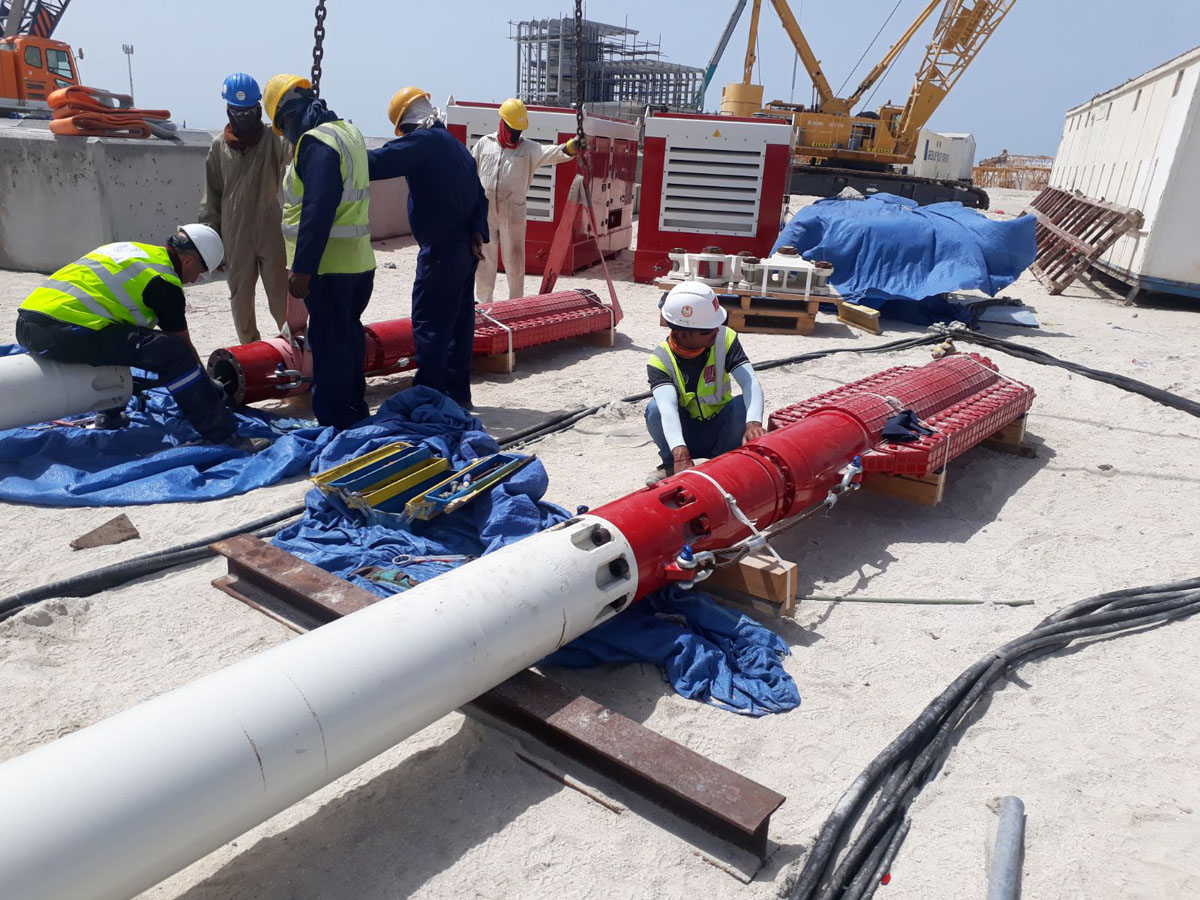
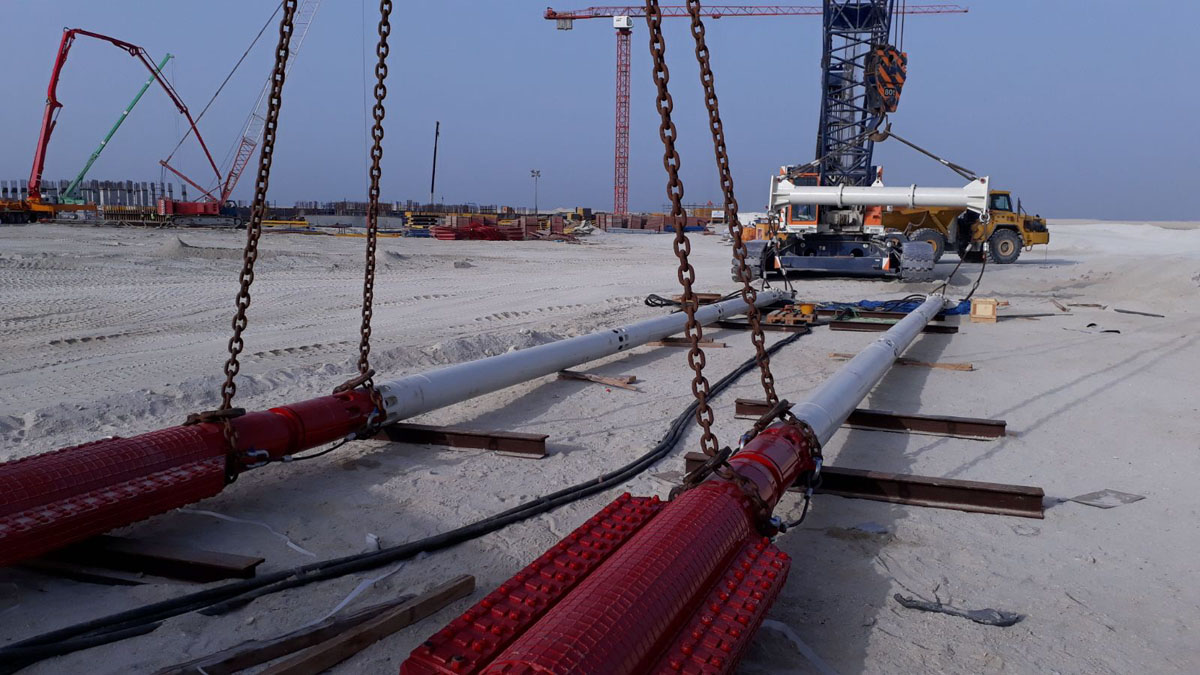
Mechanical interfaces differ according to the OMS product family.
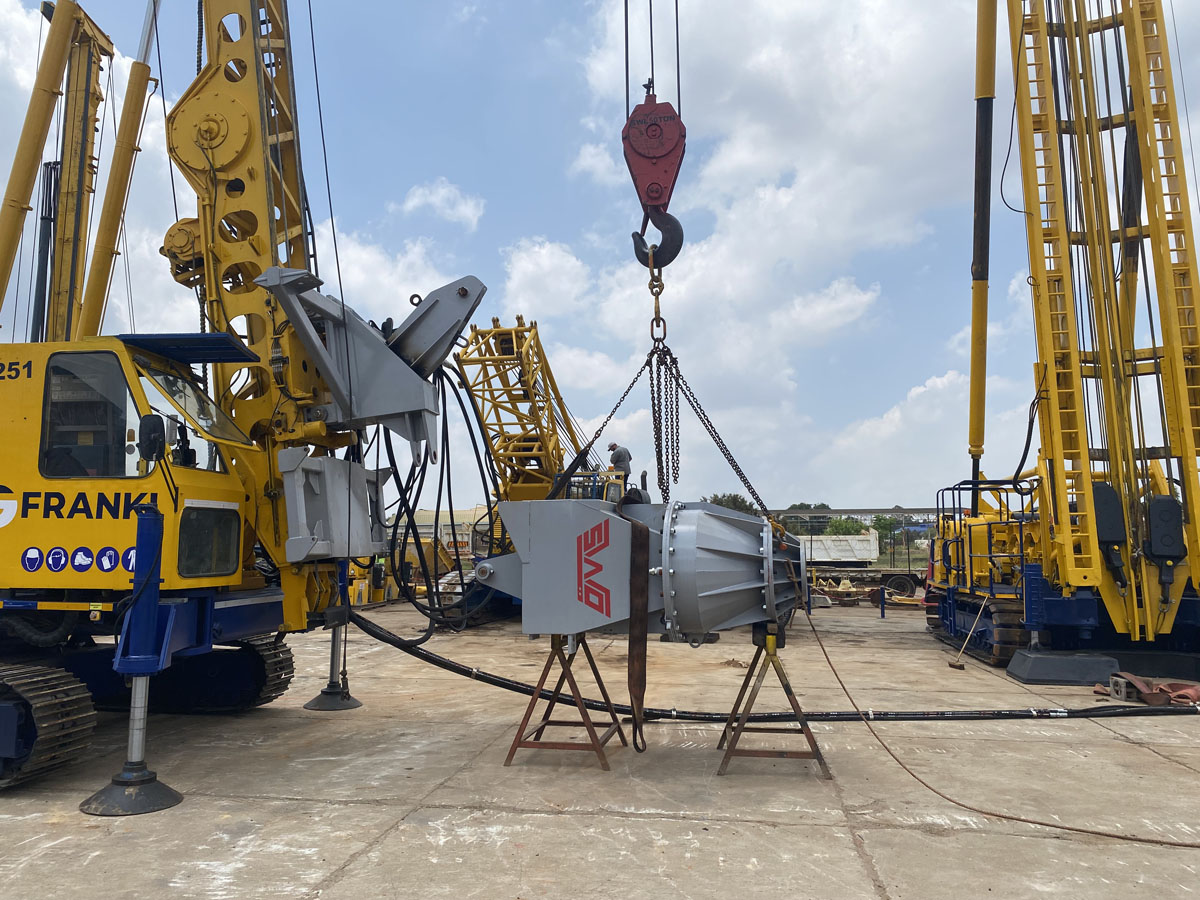
For excavator mounted vibratory hammers, the connection between the excavator and vibration equipment must be checked for mechanical compatibility before operation. OMS installation documentation specifically addresses the fit of the yoke, connection points and excavator interface before the hydraulic system is connected.
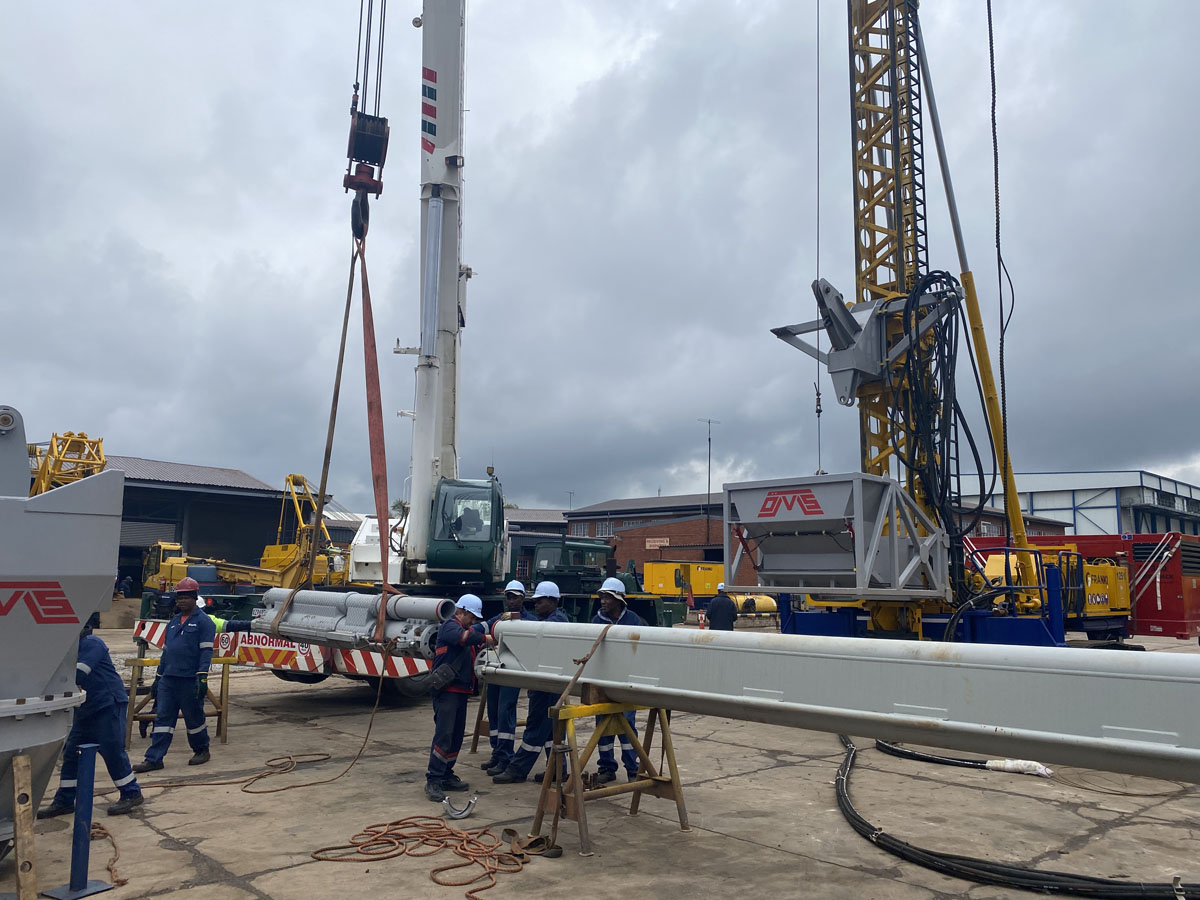
For crane suspended systems, commissioning focuses on the hammer, suppressor, clamp configuration, lifting arrangement and connected accessories.
For Side Grip systems, the adapter connection and the mechanical operation of the gripping, rotating and tilting assemblies become part of the installation review.
For vibroflotation and Wick Drain equipment, the complete assembled configuration must also be reviewed according to its mounting arrangement and project setup. OMS ground improvement equipment includes free-hanging, leader-mounted and excavator-mounted configurations, which makes configuration-specific installation particularly important.
3. Hydraulic Connection and System Verification
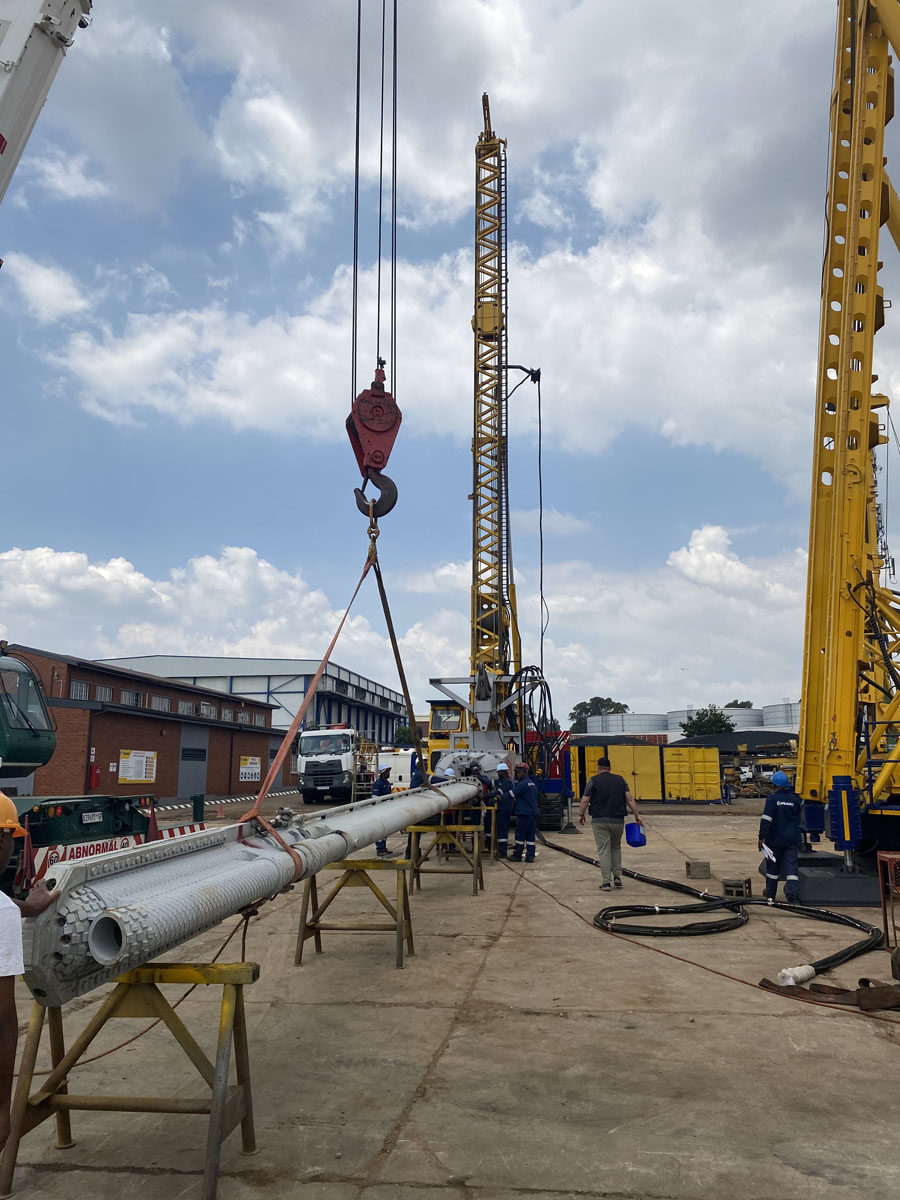
Hydraulic integration is one of the most critical parts of on-site installation and commissioning.
The OMS technical team can verify hose routing, hydraulic connections and the relationship between the hydraulic supply and the connected equipment. Pressure, return and drain connections must correspond to the machine-specific hydraulic scheme, while the operating conditions must remain within the requirements defined for the relevant OMS equipment.
For excavator mounted equipment, this also means confirming that the carrier hydraulic system is suitable for the installed vibratory hammer. OMS documentation for excavator mounted systems specifically identifies pressure, return and drain connections as part of the installation arrangement.
Hydraulic clamps also require functional verification because they form the direct connection between the vibratory equipment and the pile. Clamp opening, closing and correct hydraulic operation should therefore be confirmed before vibration begins.
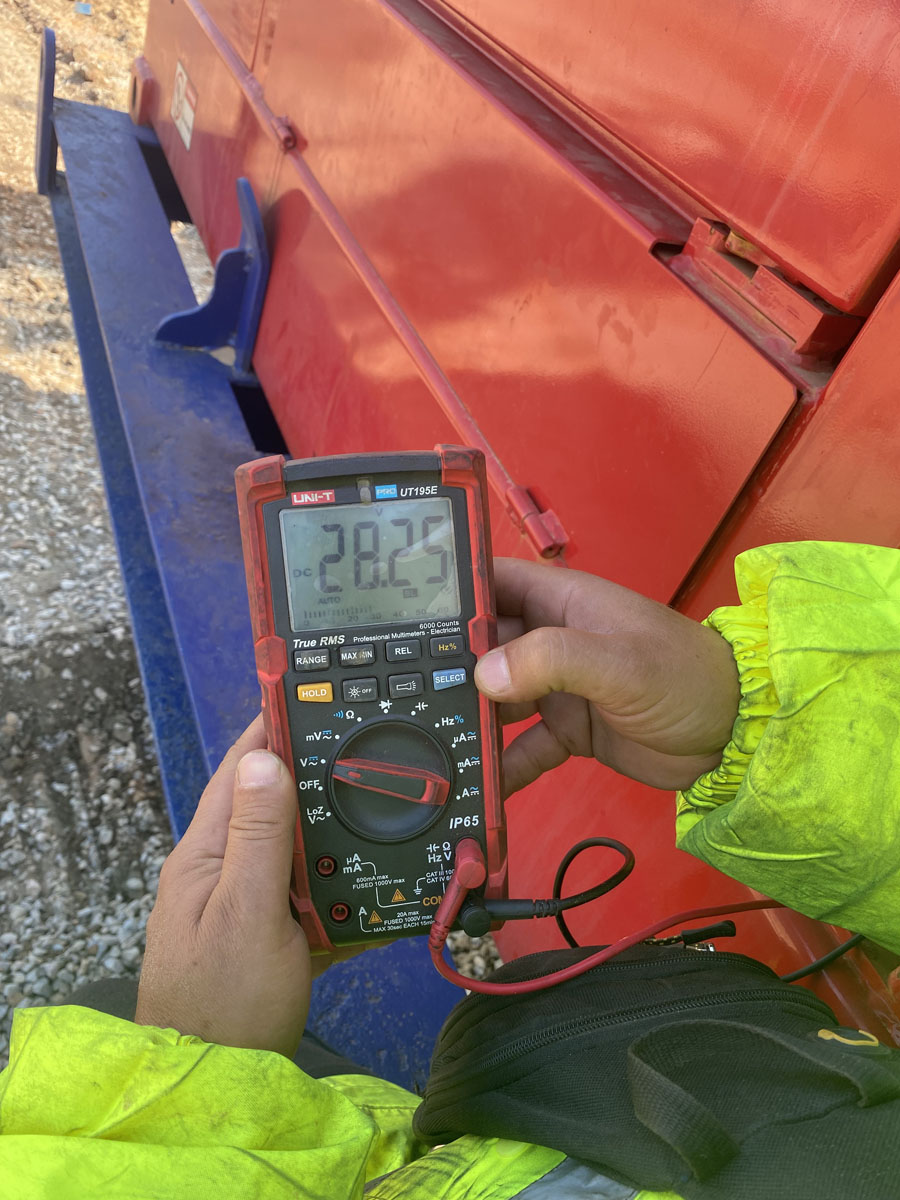
4. Control System and Electrical Checks
Modern OMS equipment can include multiple control interfaces depending on configuration.
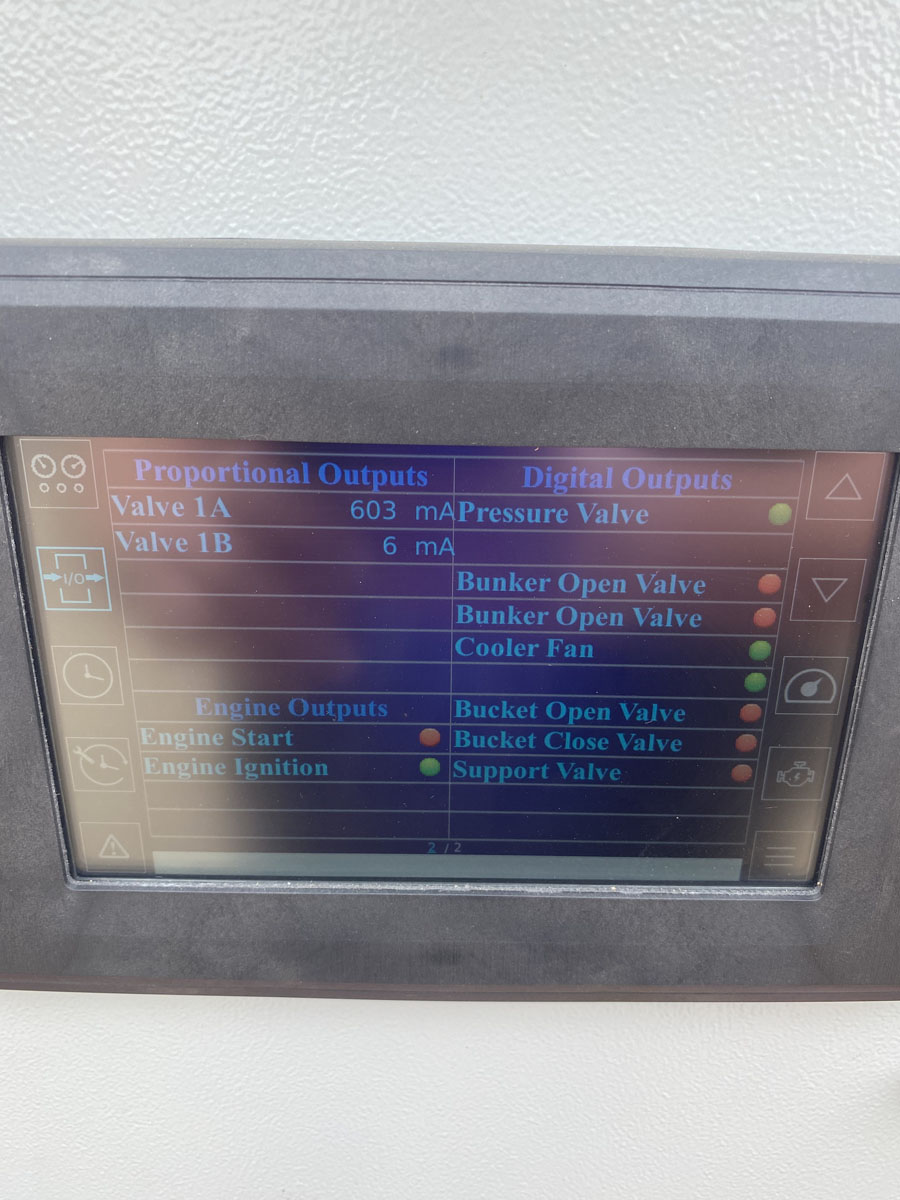
OMS Hydraulic Power Packs can be operated through an integrated touchscreen and wired or wireless remote-control options. Certain configurations can also use the OMS Remote-Control Module for software updates and remote status monitoring for service and maintenance purposes.
Side Grip systems include an electronic control architecture for functions such as gripping, rotation, tilting and vibration. During commissioning, these commands must correspond correctly with the physical movement of the machine before normal operation begins.
Where vibroflotation monitoring equipment is included, the corresponding monitoring and reporting functions should also be checked as part of system readiness.
Initial Start-Up and Functional Testing
After mechanical, hydraulic and control interfaces have been verified, the equipment can move to the initial start-up stage.
The first start should be controlled and performed according to the machine-specific operation manual. The purpose is to observe the complete system before production loading begins. Hydraulic leakage, abnormal movement, control response, connection integrity and system indications can be checked during this phase.
Functional testing then verifies the functions relevant to the particular OMS configuration.
Commissioning Priorities by Product Group
For SVR crane suspended vibratory hammers, commissioning can include the hammer, hydraulic power pack, hose system, selected hydraulic clamps and control functions.
For OVR excavator mounted vibratory hammers, the process focuses on excavator connection, hydraulic compatibility, hose routing, clamp operation and vibration control.
For Side Grip vibratory hammers, additional checks cover side gripping, bottom clamp operation, rotation, tilting and the associated control system.
For OMS Hydraulic Power Packs, commissioning concentrates on hydraulic connections, system condition, control interfaces and correct integration with the connected OMS equipment.
For OMS Hydraulic Clamps, the installation review includes the mechanical mounting arrangement, hydraulic connection and controlled opening and closing functions before load operation.
For OMS Vibroflotation Equipment, the scope depends on whether the system is free hanging, leader mounted or excavator mounted and whether it operates in a top-feed or bottom-feed configuration. OMS documentation specifically notes technical supervision for certain mounted configurations.
For OMS Wick Drain Equipment, commissioning verifies the assembled installation system, drive components and operating functions before the PVD installation process starts.
Operator Briefing Before Operational Handover
Commissioning is also the point at which the site team becomes familiar with the installed machine configuration.
Operator briefing should focus on the controls and functions of the actual equipment supplied. Typical subjects include the correct start-up and shutdown sequence, control interface, clamp operation, routine inspection points, recognition of abnormal operating conditions and the correct use of machine-specific documentation.
This stage is particularly important when several systems work together. A crane suspended vibratory hammer, for example, may involve the hammer, power pack, hydraulic hoses, clamps and remote-control system as one operating package.
Operator briefing does not replace formal site safety procedures or project-specific engineering requirements. Lifting arrangements, carrier capacity, ground conditions and jobsite operating limits must always be evaluated for the actual project.
From Commissioning to Efficient Site Operation
Effective on-site installation and commissioning establishes a controlled technical baseline for the machine.
When mechanical connections, hydraulic interfaces, control functions and operating procedures are checked before production starts, troubleshooting becomes more systematic and interface-related risks can be identified earlier. The site team also begins operation with a clearer understanding of the equipment configuration.
For OMS Vibro equipment, commissioning should therefore be considered an integral part of the after-sales technical support process rather than an isolated first start.
Frequently Asked Questions
The scope can include mechanical and hydraulic connection checks, equipment installation, system verification, controlled initial start-up, functional testing, operator briefing and commissioning according to the supplied machine configuration.
The scope can cover crane suspended and excavator mounted vibratory hammers, Side Grip pile drivers, hydraulic power packs, hydraulic clamps, vibroflotation systems and Wick Drain equipment.
OMS equipment relies on defined hydraulic connections and operating requirements. Correct pressure, return and drain arrangements, hose routing and hydraulic compatibility must be verified before continuous operation.
Yes. Excavator mounted equipment requires integration with the excavator’s mechanical and hydraulic systems. Crane suspended systems typically operate as a package involving the vibratory hammer, hydraulic power pack, hoses and selected clamps.
Operator briefing forms an important part of the handover process. It helps the site team understand machine controls, operating sequences, routine checks and the machine-specific documentation supplied with the equipment.
OMS identifies installation, maintenance and repair as part of its after-sales technical support scope.
OMS Vibro Value Propositions
Start Site Operations with a Correctly Commissioned OMS Vibro System
Correct installation is the foundation of reliable equipment operation. For OMS Vibro systems, the commissioning process connects mechanical installation, hydraulic integration, control verification, initial start-up, functional testing and operator understanding into one structured workflow.
Whether the project uses a crane suspended vibratory hammer, an excavator mounted or Side Grip system, a hydraulic power pack, hydraulic clamps, vibroflotation equipment or a Wick Drain installation system, the final commissioning scope must match the actual machine and project configuration.
For installation planning, on-site commissioning requirements and technical support, contact the OMS Vibro technical team and review the available OMS Vibro Services.
Get professional advice to find the most efficient equipment for your application.