


Standard Series Vibro Hammers
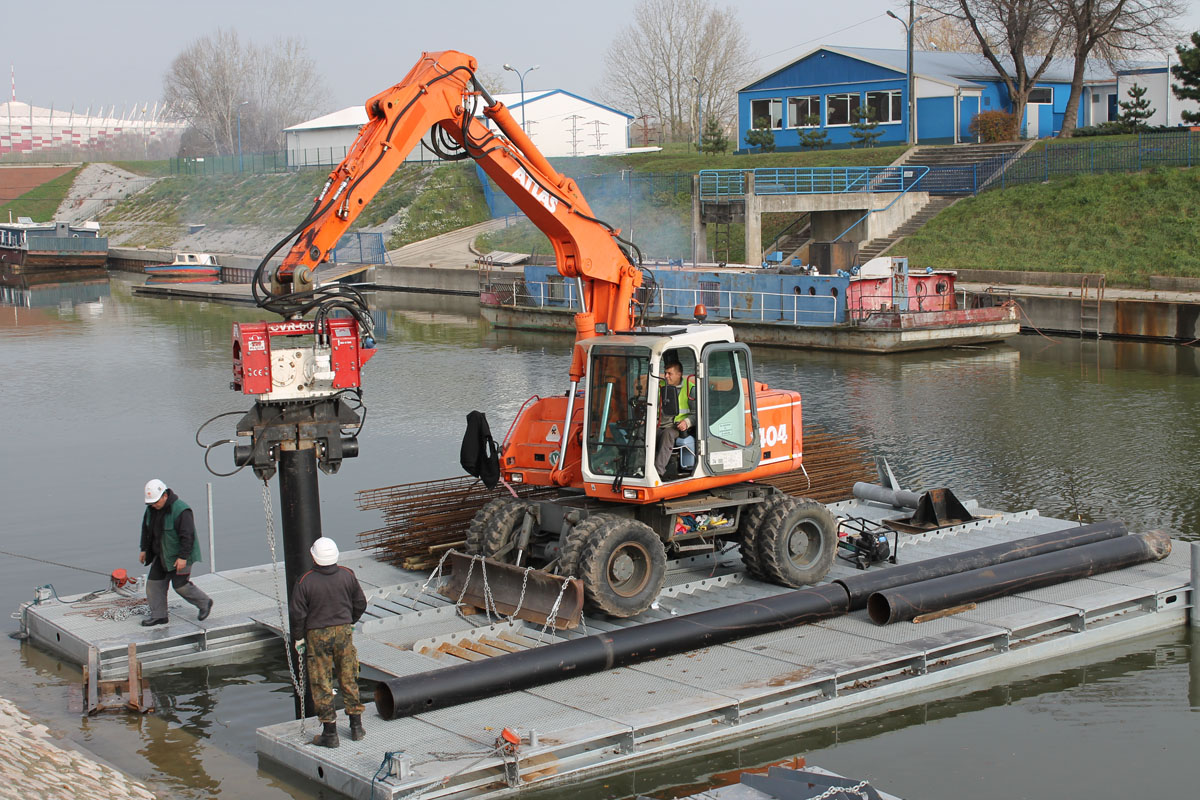
Excavator Mounted Vibro Hammer for Sheet Pile Driving and Extraction
Sheet pile installation requires more than sufficient vibration force. The vibro hammer, excavator, hydraulic system, connection bracket and clamp must operate as a compatible system. An incorrect equipment match can reduce penetration performance, increase cycle times, accelerate component wear or create operational risks during pile handling.
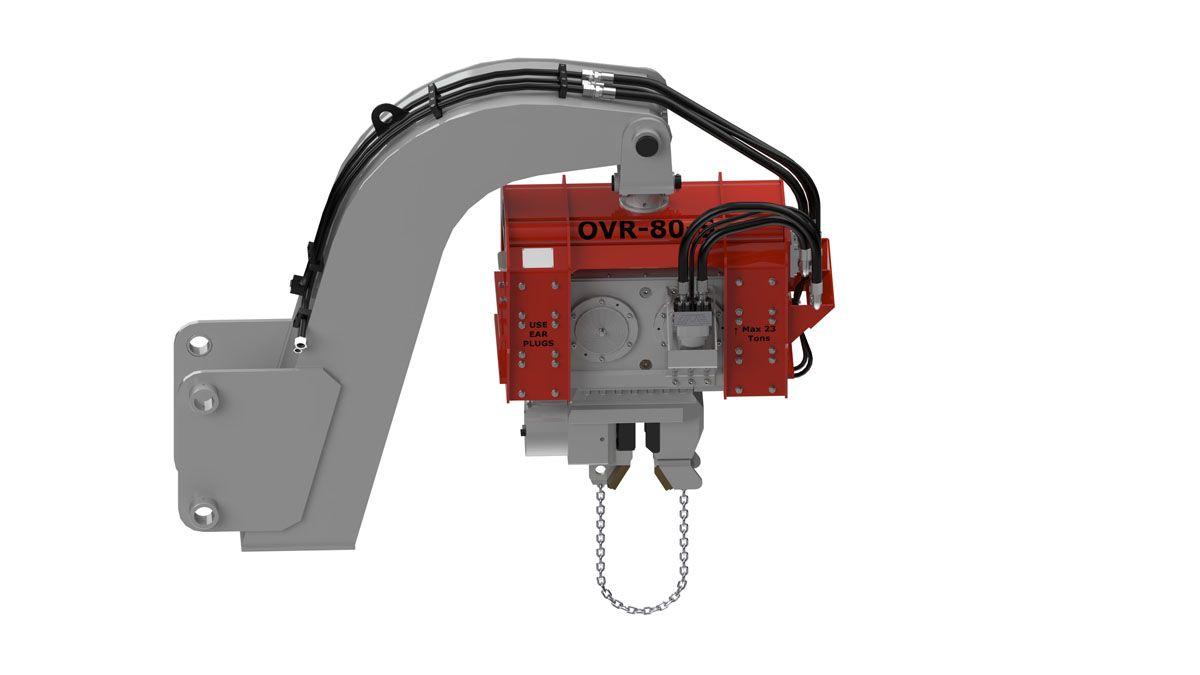
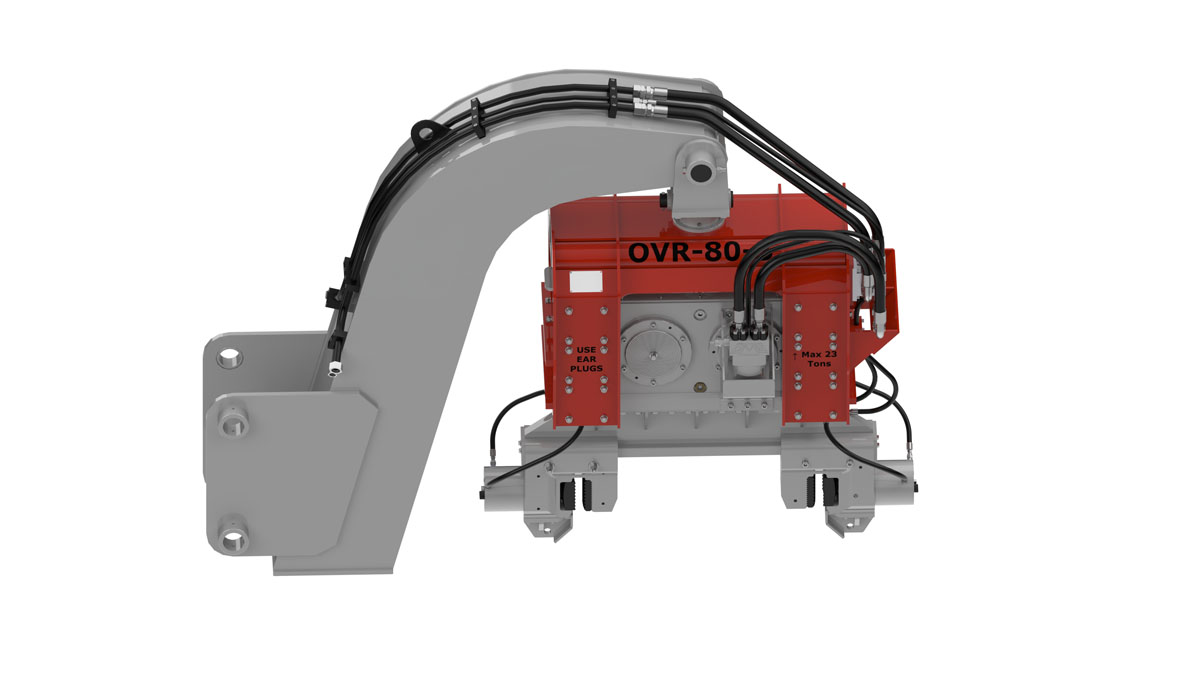
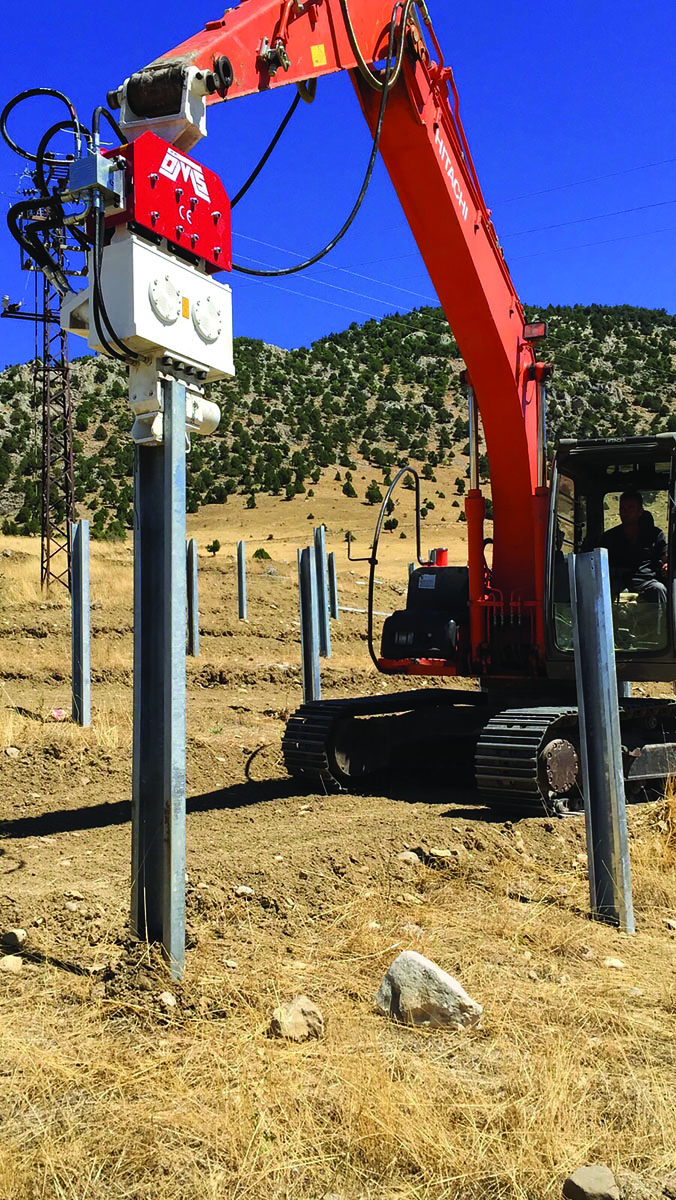
The OMS OVR Standard Series excavator mounted vibro hammer is designed to use the hydraulic power of the excavator. Its excavator-mounted configuration provides a practical solution for driving and extracting sheet piles, particularly where mobility, fast positioning and efficient equipment use are important.
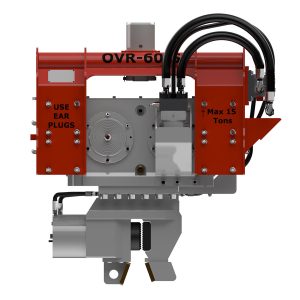
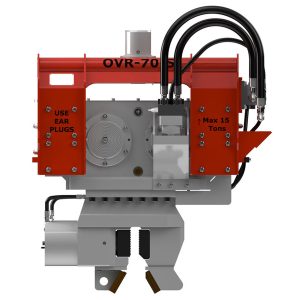
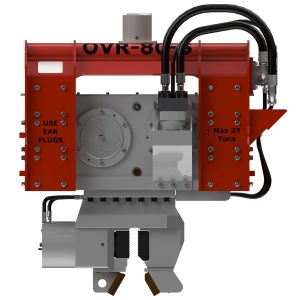
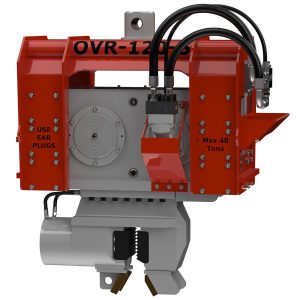
Technical Specifications
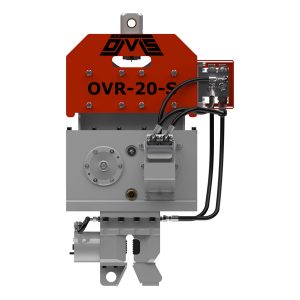
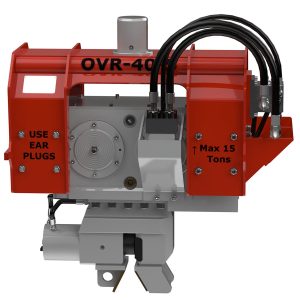
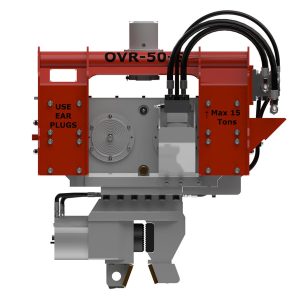
| Technical Specifications | SVR 20 S | SVR 40 S | SVR 50 S | SVR 60 S | SVR 70 S | SVR 80 S | SVR 120 S |
|---|---|---|---|---|---|---|---|
| Eccentric Moment (kgm) | 2.1 | 4 | 5.2 | 6.3 | 7.3 | 9 | 12.3 |
| Centrifugal Force (kN) | 140 | 276 | 354 | 434 | 502 | 615 | 838 |
| Power (kW) | 33 | 53 | 80 | 107 | 124 | 147 | 167 |
| Weight and Dimensions | |||||||
| Total Weight W/O Clamp (kg) | 384 | 786 | 1080 | 1096 | 1253 | 1740 | 1798 |
| Length / L1 (mm) | 755 | 1200 | 1282 | 1282 | 1343 | 1473 | 1506 |
| Height / H1 (mm) | – | – | – | 1581 | 1639 | 1716 | 1850 |
| Width / W1 (mm) | 456 | 735 | 778 | 778 | 804 | 890 | 842 |
| Technical Specifications | SVR 20 S | SVR 40 S | SVR 50 S | SVR 60 S | SVR 70 S | SVR 80 S | SVR 120 S |
|---|---|---|---|---|---|---|---|
| Eccentric Moment (lbs.in) | 182 | 347 | 451 | 547 | 634 | 781 | 1068 |
| Centrifugal Force (tons) | 16 | 31 | 40 | 49 | 56 | 69 | 94 |
| Power (hP) | 44 | 71 | 107 | 143 | 166 | 197 | 224 |
| Weight and Dimensions | |||||||
| Total Weight W/O Clamp (lbs) | 847 | 1733 | 2381 | 2416 | 2762 | 3836 | 3964 |
| Length / L1 (in) | 30 | 47 | 50 | 50 | 53 | 58 | 59 |
| Height / H1 (in) | – | – | – | 62 | 65 | 68 | 73 |
| Width / W1 (in) | 18 | 29 | 31 | 31 | 32 | 35 | 33 |
How Does an Excavator Mounted Vibro Hammer Work?
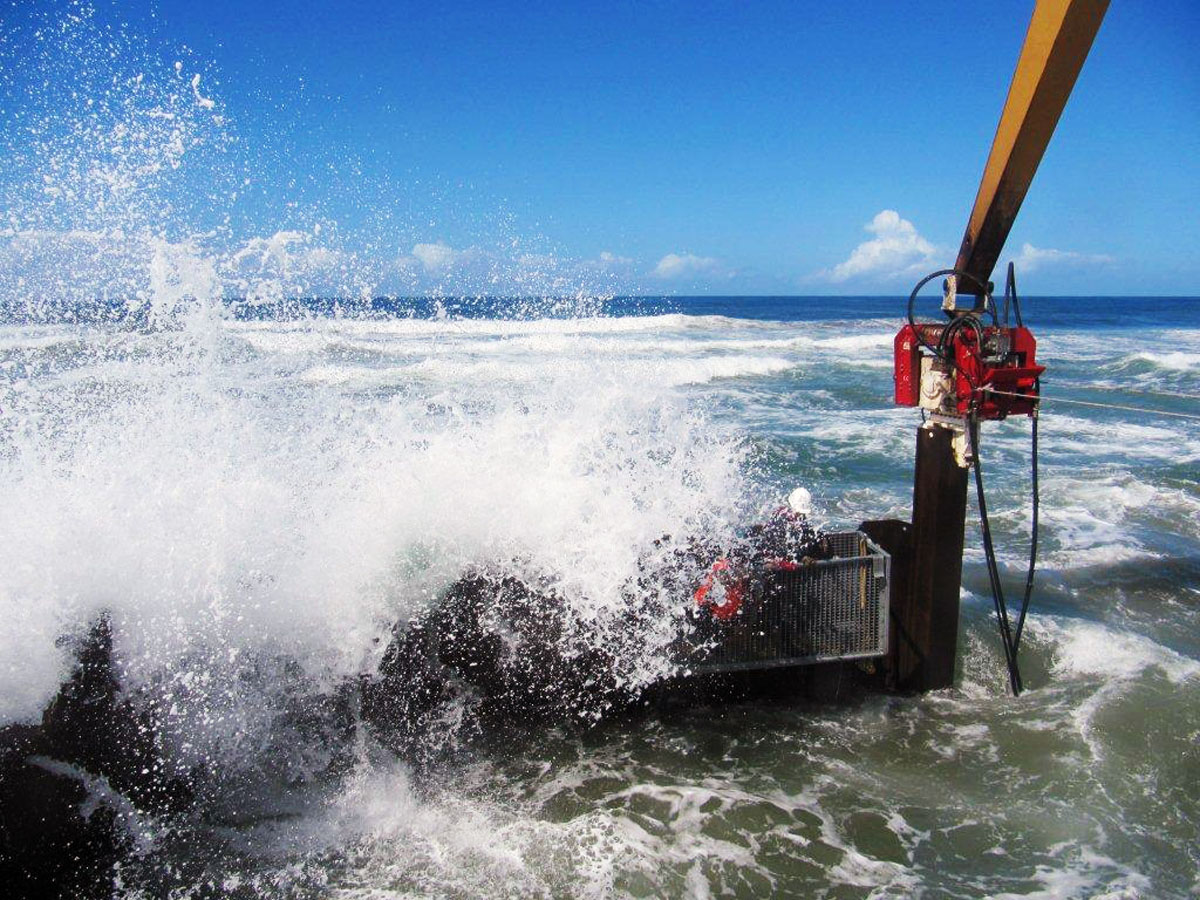
An excavator mounted vibro hammer generates vertical vibrations through rotating eccentric masses inside the vibration case. These vibrations are transferred to the sheet pile through a hydraulic clamp.
The vibration temporarily reduces the resistance between the pile surface and the surrounding soil. During driving, the excavator applies controlled downward force while the vibro hammer helps the sheet pile penetrate the ground. During extraction, vibration works together with the excavator’s pulling force to reduce soil resistance around the installed profile.
The efficiency of this process depends on several connected parameters:
These parameters should be evaluated as a complete system. Selecting a vibro hammer based only on excavator size or pile length may lead to an unsuitable configuration.
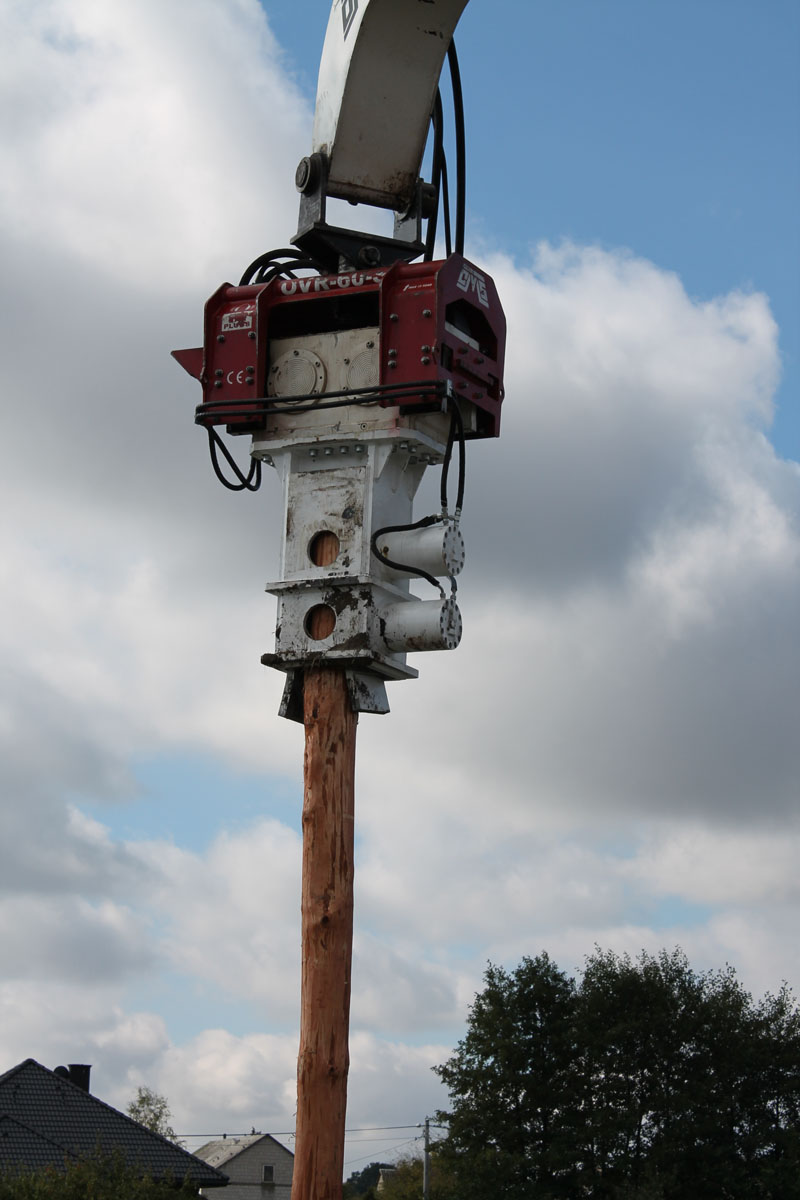
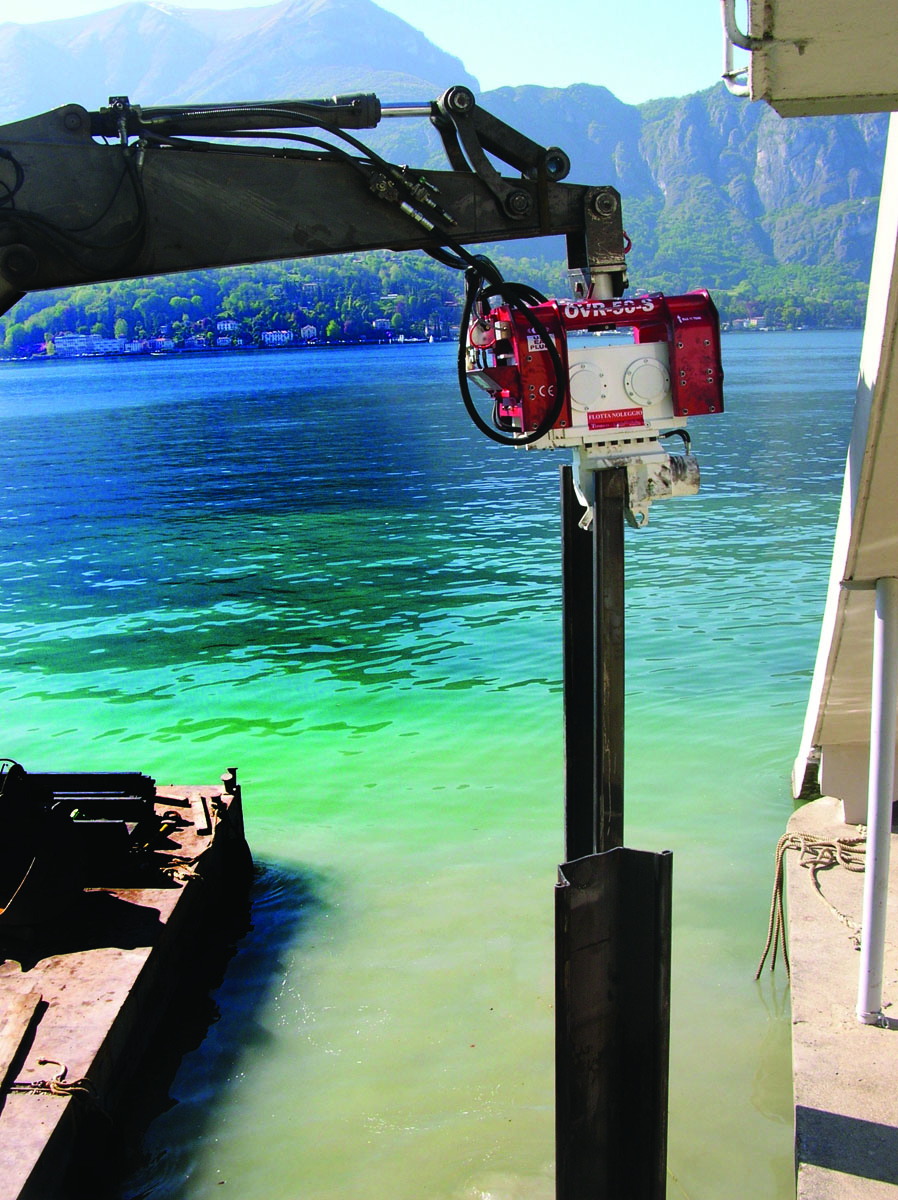
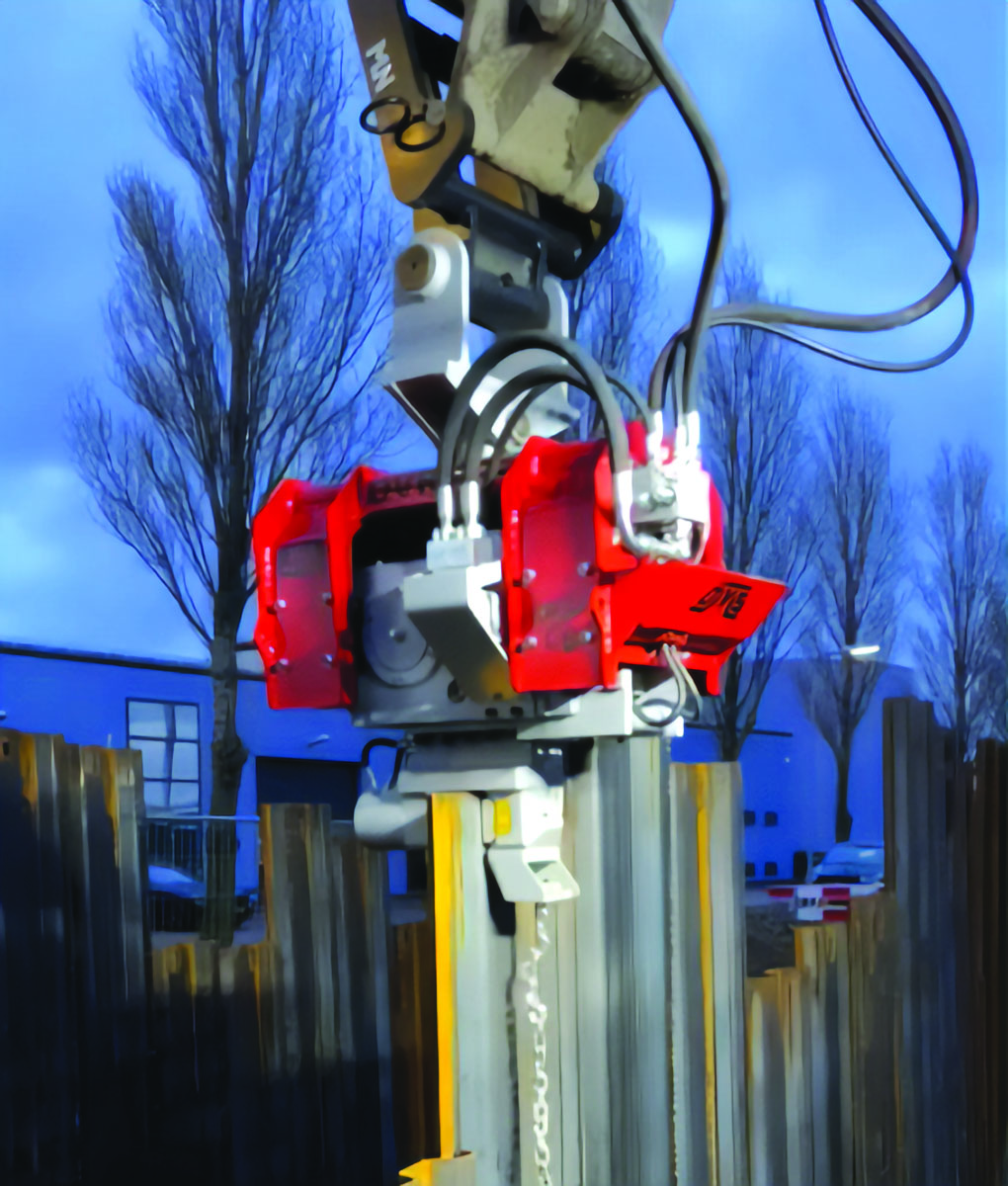
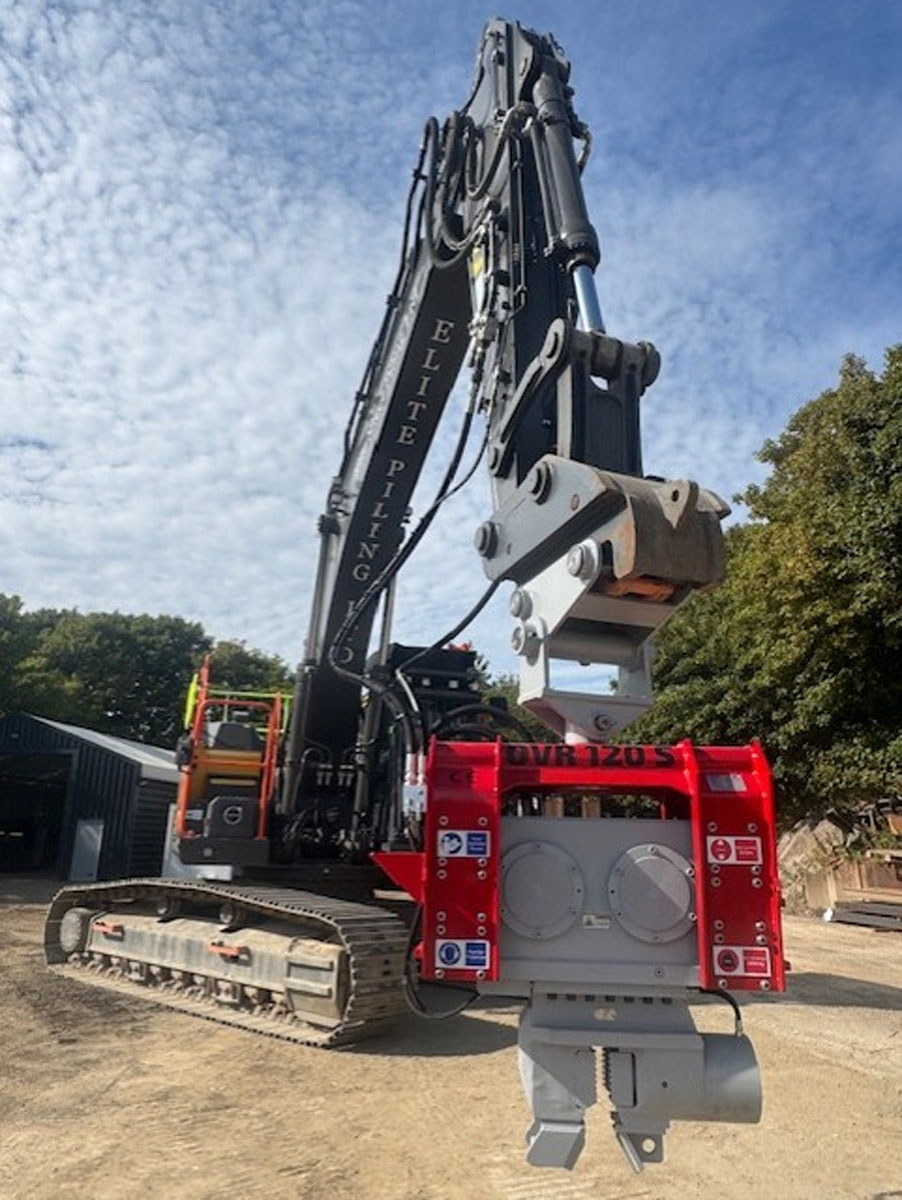
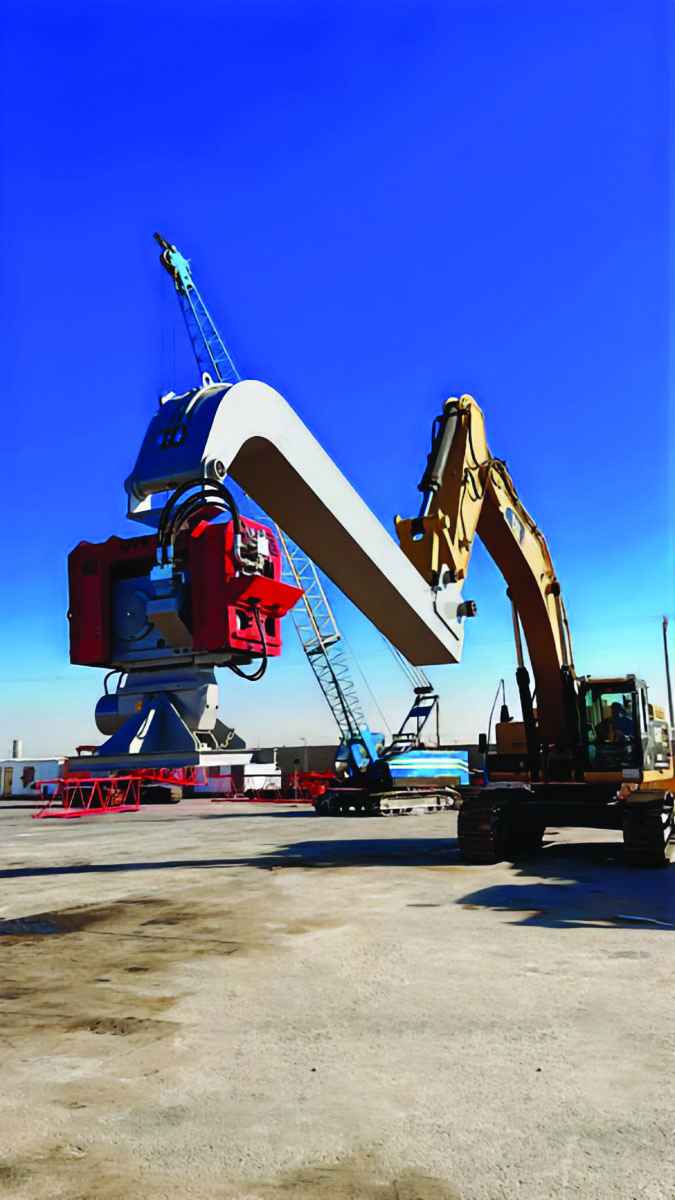
Main Components of the OVR Excavator Mounted Vibro Hammer System
Vibration Case and Eccentric System
The vibration case contains the eccentric masses that generate the vibration required for pile driving and extraction. The eccentric moment, frequency and resulting centrifugal force determine how effectively the equipment can transfer energy into the sheet pile and surrounding soil.
The OVR Standard Series includes different equipment sizes for different excavator classes and project requirements. Model selection should therefore reflect both the hydraulic capacity of the excavator and the resistance expected during piling.
Excavator Connection Bracket
The connection bracket mechanically integrates the vibro hammer with the excavator arm. OMS manufactures the connection bracket according to the excavator and OVR configuration.
Correct bracket geometry is important for equipment positioning, load transfer and controlled movement. The attachment must also be evaluated together with the excavator’s pin dimensions, working range and lifting chart.
Hydraulic Supply
The OVR excavator mounted vibro hammer is powered by the excavator’s hydraulic system. Available oil flow, working pressure, return-line conditions and drainage requirements must be checked before installation.
The excavator must deliver the required hydraulic performance within the operating range of the selected OVR model. Insufficient flow can limit vibration performance, while an unsuitable hydraulic connection can lead to overheating, pressure losses or unstable operation.
Hydraulic compatibility should be confirmed by the OMS Vibro technical team before commissioning.
SCN Hydraulic Clamp for Sheet Piles
The clamp forms the critical connection between the vibro hammer and the sheet pile. OMS SCN Series hydraulic clamps are designed specifically for sheet pile driving and extraction.
Each clamp uses one fixed jaw and one movable jaw. The hydraulic cylinder closes the movable jaw against the pile, allowing vibration and pulling forces to pass through the clamped section. A pilot-operated check valve helps maintain pressure in the clamp cylinder.
The selected SCN clamp must be compatible with the OVR model and sheet pile geometry. The wider range of OMS hydraulic clamps also includes configurations for pipe and timber piles.
Sheet Pile Driving with an OVR Vibro Hammer
Before driving begins, the sheet pile must be correctly positioned, aligned and securely gripped. The clamp should contact a suitable section of the pile so that vibration can be transferred without damaging the profile.
During driving, the excavator operator must maintain controlled alignment while avoiding unnecessary lateral loads. Excessive side loading can affect the clamp, connection bracket, pile interlocks and excavator arm.
Important site parameters include:
If penetration slows significantly, the cause should be assessed before increasing operational force. Difficult driving may result from soil resistance, damaged interlocks, incorrect alignment, an unsuitable clamp connection or a mismatch between the vibro hammer and the project conditions.
Sheet Pile Extraction
Extraction introduces different loads from driving. Installed sheet piles may be affected by soil adhesion, interlock friction, corrosion, deformation or long-term ground pressure.
The excavator mounted vibro hammer applies vibration while the excavator provides controlled lifting force. Pulling force should remain aligned with the pile axis as closely as possible. Uncontrolled pulling, shock loading or excessive lateral force may increase stress on the clamp, pile and excavator attachment.
Before extraction, the project team should evaluate:
Any unusual movement, pressure loss or unstable gripping condition requires the operation to be stopped and inspected.
Selection Criteria for an OVR Excavator Mounted Vibro Hammer
The correct configuration should be selected through an engineering assessment rather than a single capacity value.
Final equipment selection should be reviewed by the OMS Vibro technical team using project-specific pile, soil and excavator data.
Frequently Asked Questions
Yes. With a compatible SCN hydraulic clamp, the OVR system can be configured for both sheet pile driving and extraction. Equipment selection must consider the different resistance and pulling-force requirements of each operation.
OMS SCN Series hydraulic clamps are designed for sheet pile applications. The correct SCN model depends on the selected OVR vibro hammer, sheet pile geometry and required clamping force.
The standard OVR system is driven by the excavator’s hydraulic system. The excavator’s available oil flow, pressure, return-line arrangement and cooling capacity must be verified before installation.
Selection considers the excavator’s working weight and hydraulic capacity, sheet pile dimensions, installation depth, ground conditions, required centrifugal force and expected extraction resistance.
Site vibration limits, structure sensitivity, soil response and operating distance must be evaluated before work begins. Where controlled start-up and shutdown vibration is a primary requirement, OMS Vibro’s variable-moment solutions should be assessed separately.
OMS Vibro Value Propositions
The performance of an excavator mounted vibro hammer depends on the compatibility of every component in the system. The excavator, OVR vibro hammer, hydraulic circuit, connection bracket, SCN clamp, sheet pile and soil conditions must be evaluated together.
For technical model selection, OMS Vibro can review your excavator data, sheet pile specifications, required installation depth and available ground information. Contact the OMS Vibro technical team to determine an appropriate OVR and hydraulic clamp configuration for your sheet pile driving or extraction project.
Get professional advice to find the most efficient equipment for your application.