

Training
OMS Vibro Training for Safe, Reliable and Competent Equipment Operation
The performance of heavy-duty foundation equipment depends not only on its engineering and manufacturing quality, but also on how correctly the machine is installed, operated, inspected and maintained throughout its service life. Operator errors, incorrect hydraulic connections, missed daily checks or improper maintenance procedures can directly affect equipment availability, operating safety and project productivity.
For this reason, OMS Vibro training is structured as part of the equipment handover and technical support process. Training can be provided at the OMS Vibro factory, directly at the project site or at a dealer’s facility, depending on the equipment, project requirements and personnel involved.
The program can cover the complete OMS Vibro product portfolio, including vibratory hammers, side grip vibro hammers, hydraulic power packs, hydraulic clamps, vibroflotation equipment and wick drain installation equipment. The OMS product portfolio includes these pile driving and ground improvement equipment families as integrated mechanical, hydraulic and control systems.
Training Starts After Equipment Verification
Technical training should begin with equipment whose basic operating functions and systems have already been verified.
Before delivery, OMS Vibro carries out a structured Testing and Validation process. Machines are fully assembled and inspected, with mechanical connections, hydraulic components, hoses, fasteners, lubrication points and electrical connections checked before operation. Factory testing then evaluates system pressure, hydraulic flow, operating frequency, vibration behaviour, controls and overall machine response under controlled conditions.
This provides an important starting point for the following training process: personnel receive instruction on equipment that has already passed the required factory inspections and functional checks.
More information about this pre-delivery stage is available on the OMS Vibro Testing and Validation page.
Where Can OMS Vibro Training Be Provided?
Different projects require different training environments. OMS Vibro training can therefore be organized according to the customer’s operational requirements.
Training at the OMS Vibro Factory
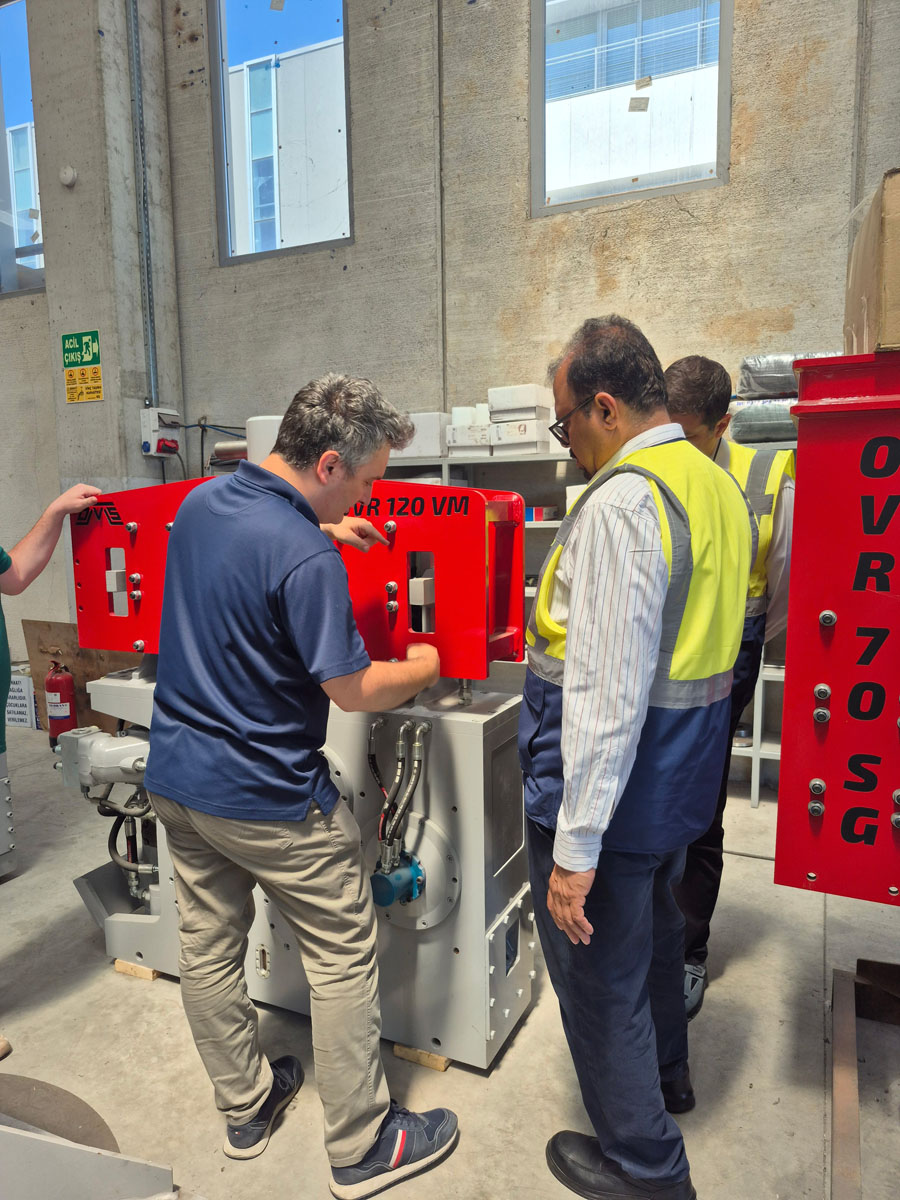
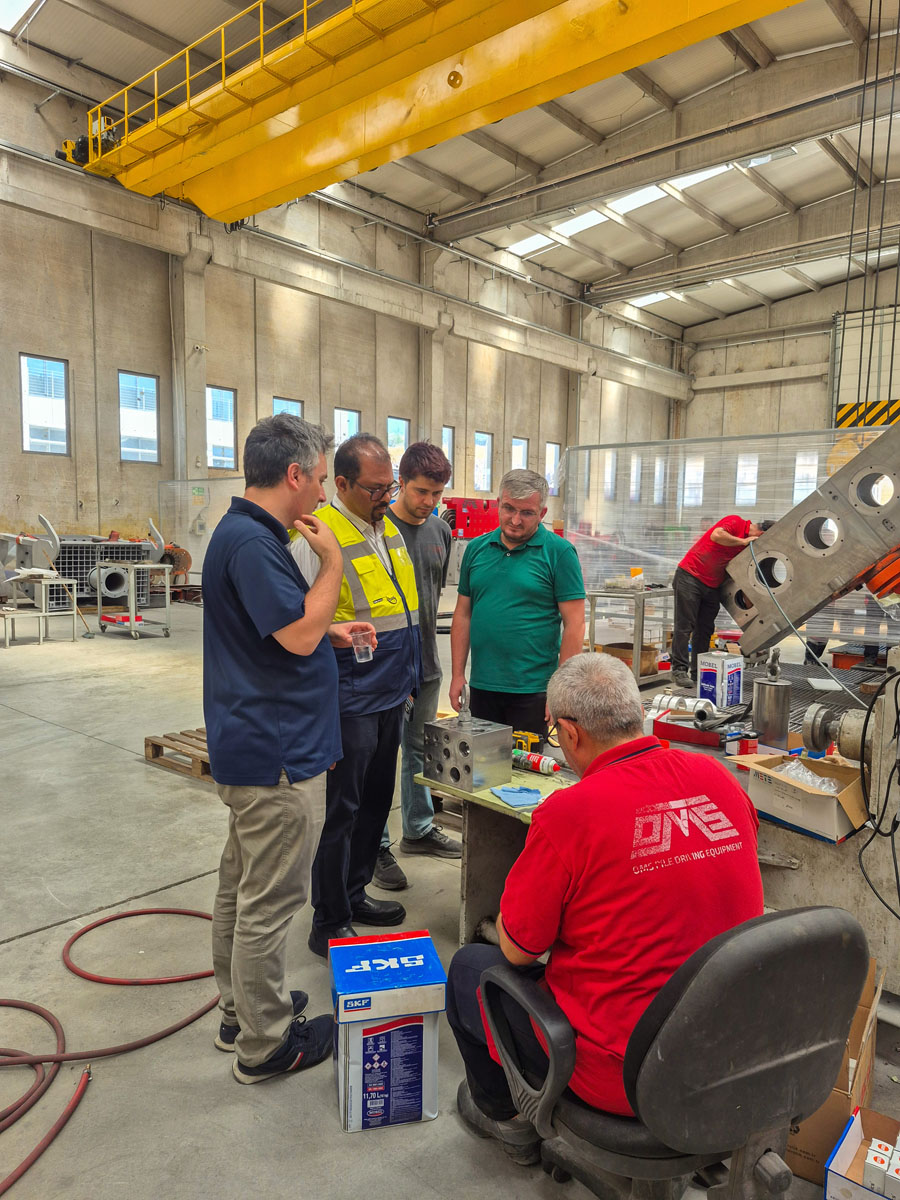
Factory training provides access to the machine and its systems in a controlled environment. This format is especially suitable for theoretical instruction, equipment familiarization, component identification, control-system explanation and maintenance-oriented training.
Participants can develop an understanding of the relationship between the equipment’s mechanical, hydraulic and control systems before operating it under actual project conditions.
Training at the Project Site
On-site training connects technical knowledge directly with the actual machine configuration and working environment.
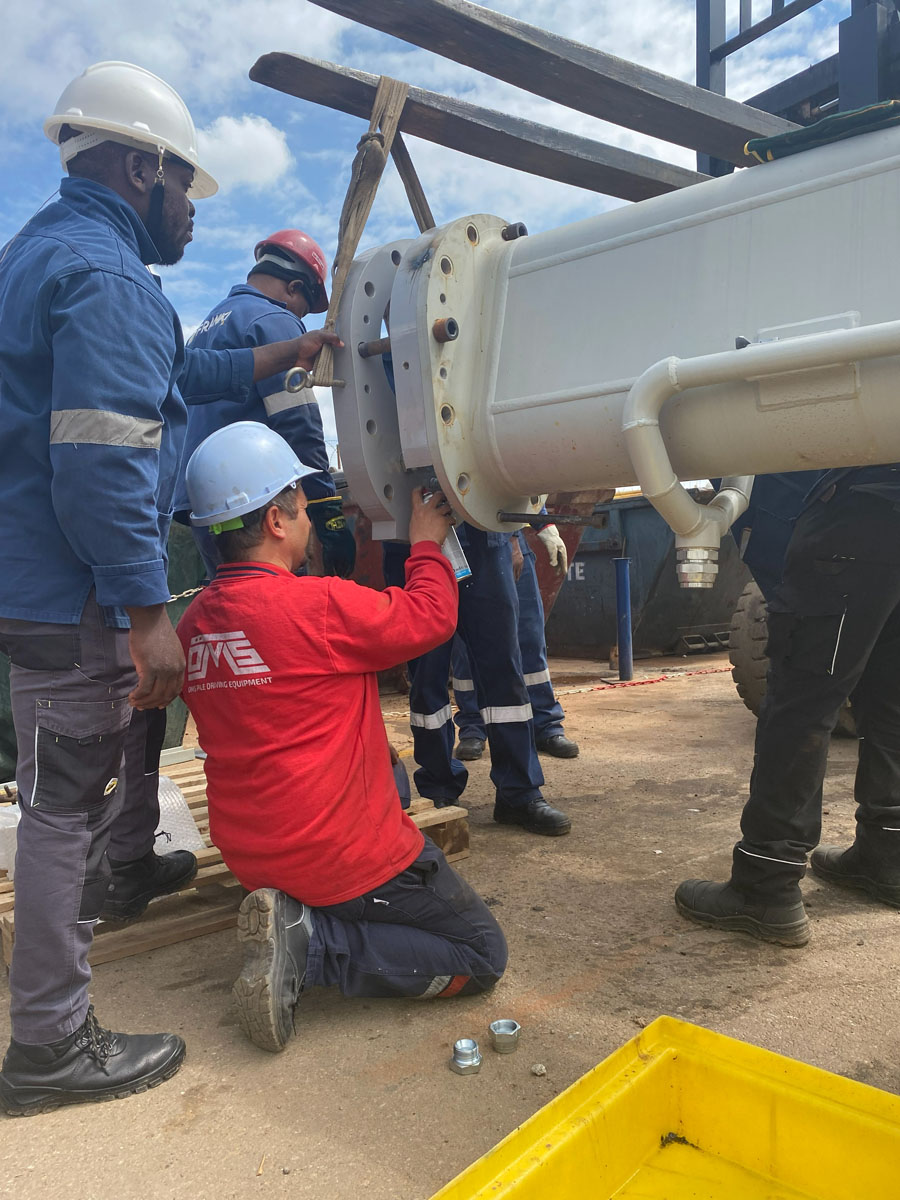
This is particularly important during installation and commissioning because operators and technical personnel can review the equipment connections, control functions, daily inspection points and correct operating workflow on the machine they will use.
Site-specific operating conditions must still be evaluated according to the project method, ground conditions, carrier equipment and applicable safety requirements.
Training at Dealer Facilities
OMS Vibro can also provide training directly to dealers. Dealer training supports personnel who may be responsible for customer assistance, commissioning support, maintenance, troubleshooting or technical service activities within their territory.
The scope can therefore extend beyond basic machine operation to more detailed service-related subjects where required.
What Does OMS Vibro Equipment Training Cover?
OMS Vibro training can be configured around the responsibilities of operators, end users and dealer service personnel.
Machine Operation and Control Functions
Operators need to understand not only which control activates a function, but also what happens within the equipment when that command is given.
Training can therefore include machine operating sequences, control interfaces, hydraulic functions and machine-specific operating logic. This is particularly relevant for equipment with multiple control functions. For example, OMS hydraulic power packs use control panels and remote-control systems for functions such as engine speed adjustment, vibration start and stop, clamp operation and system monitoring
Safe Operation
Safe operation requires clear understanding of the equipment, its operating limits and the interaction between machine components.
Training addresses correct operating practices, machine condition checks, hydraulic connections, clamping functions, controls and the precautions required before starting or servicing the equipment.
For hydraulic clamp applications, understanding the clamping system is especially important. OMS hydraulic clamps use fixed and movable gripping jaws, hydraulic cylinders and pilot-operated check valves to maintain secure clamping during operation.
Machine-specific instructions, the applicable operation manual and project safety requirements must always remain the primary reference for field operation.
Daily Inspection and Pre-Operation Checks
Daily checks help identify abnormalities before they develop into operational interruptions.
Training can cover visual inspection points, hydraulic hoses and connections, lubrication areas, fasteners, clamp condition, control interfaces and other machine-specific checkpoints.
The objective is to make routine inspection part of the operator’s normal work cycle rather than an activity performed only when a problem appears.
Preventive Maintenance
Correct maintenance directly affects equipment availability.
OMS Vibro maintenance training can explain the inspection and service points relevant to the specific equipment supplied, including hydraulic components, lubrication systems, mechanical connections, clamps, control systems and accessible service areas.
OMS power packs, for example, are designed with component accessibility in mind to support servicing and maintenance activities.
Troubleshooting and Fault Identification
Effective troubleshooting begins by separating symptoms from their possible mechanical, hydraulic or control-system causes.
Training helps personnel follow a systematic diagnostic approach rather than changing components without first identifying the source of the problem.
Depending on the participant’s responsibility and training level, this can include checking hydraulic behaviour, control indications, connections, operating response and other equipment-specific diagnostic points.
System Installation and Commissioning
Installation and commissioning training focuses on preparing the complete system for operation.
This can include verification of mechanical connections, hydraulic lines, control connections, accessories and machine-specific interfaces before functional testing begins. OMS Vibro’s after-sales support covers installation, maintenance and repair requirements, making commissioning and subsequent technical support part of the wider equipment lifecycle.
Service Competency
Dealer and technical service personnel may require a broader level of knowledge than operators.
Service-oriented training can therefore extend into maintenance procedures, systematic troubleshooting, system checks, commissioning support and technical service practices associated with the relevant OMS Vibro equipment.
The purpose is to establish a clear technical understanding of the equipment before personnel undertake service responsibilities.
Training Across the OMS Vibro Product Range
Training content changes according to the machine configuration.
For vibratory hammers, the focus can include vibration systems, clamp operation, hydraulic interfaces and operating controls. OMS offers crane-suspended, excavator-mounted, variable-moment and side-grip configurations within its vibratory hammer range. (Omsvibro)
For hydraulic power packs, training places greater emphasis on hydraulic generation, control-panel functions, remote controls, system monitoring and maintenance access. (Omsvibro)
For hydraulic clamps, attention shifts toward gripping systems, jaw condition, hydraulic cylinders, pressure retention and correct pile connection. (Omsvibro)
For vibroflotation and wick drain equipment, training is adapted to the ground-improvement process, machine configuration, installation sequence and associated operating systems. OMS provides both vibroflotation and prefabricated vertical drain installation equipment as part of its ground improvement portfolio.
OMS Vibro Training Certificates
Following the relevant training program, certification can be provided according to the training scope and the participant’s role.
Theoretical Training Certificate
The Theoretical Training Certificate is associated with theoretical instruction covering the equipment, working principles, system components, operating concepts, safety considerations, inspection requirements and maintenance fundamentals included within the applicable training program.
Operator Competency Certificate
The Operator Competency Certificate is intended for personnel receiving operator-oriented training.
Its scope can combine theoretical understanding with equipment operation, safe working practices, pre-operation checks, control functions and the operating procedures applicable to the machine being trained on.
Authorized Service Provider Certificate
The Authorized Service Provider Certificate is intended for the service-focused training route.
This level is relevant to trained dealer or service personnel whose responsibilities may include equipment installation, commissioning, maintenance, troubleshooting and technical service support.
The applicable certificate depends on the training program completed and the role of the participant.
Why Structured Equipment Training Matters
A correctly selected machine can only deliver its intended operational performance when personnel understand the complete system.
Structured OMS Vibro training helps create a common technical approach between operators, end users, maintenance personnel and dealers. It also improves communication when technical support is required because personnel are familiar with the equipment terminology, inspection points, control logic and maintenance structure.
Training therefore becomes part of the equipment lifecycle rather than a separate activity after delivery: factory testing and validation, delivery, installation and commissioning, personnel training, operation, maintenance and technical support form a connected process.