

Advice and Engineering
Engineering Decisions Start Before Equipment Selection
Successful pile driving and ground improvement operations depend on more than selecting a machine from a technical catalogue. Soil conditions, pile geometry, installation depth, carrier equipment, hydraulic requirements, available working space and operational constraints all influence the correct equipment configuration.
This is where OMS Vibro Advice and Engineering services become part of the project process. The objective is to evaluate project requirements before equipment selection and translate those requirements into an appropriate OMS Vibro system configuration.
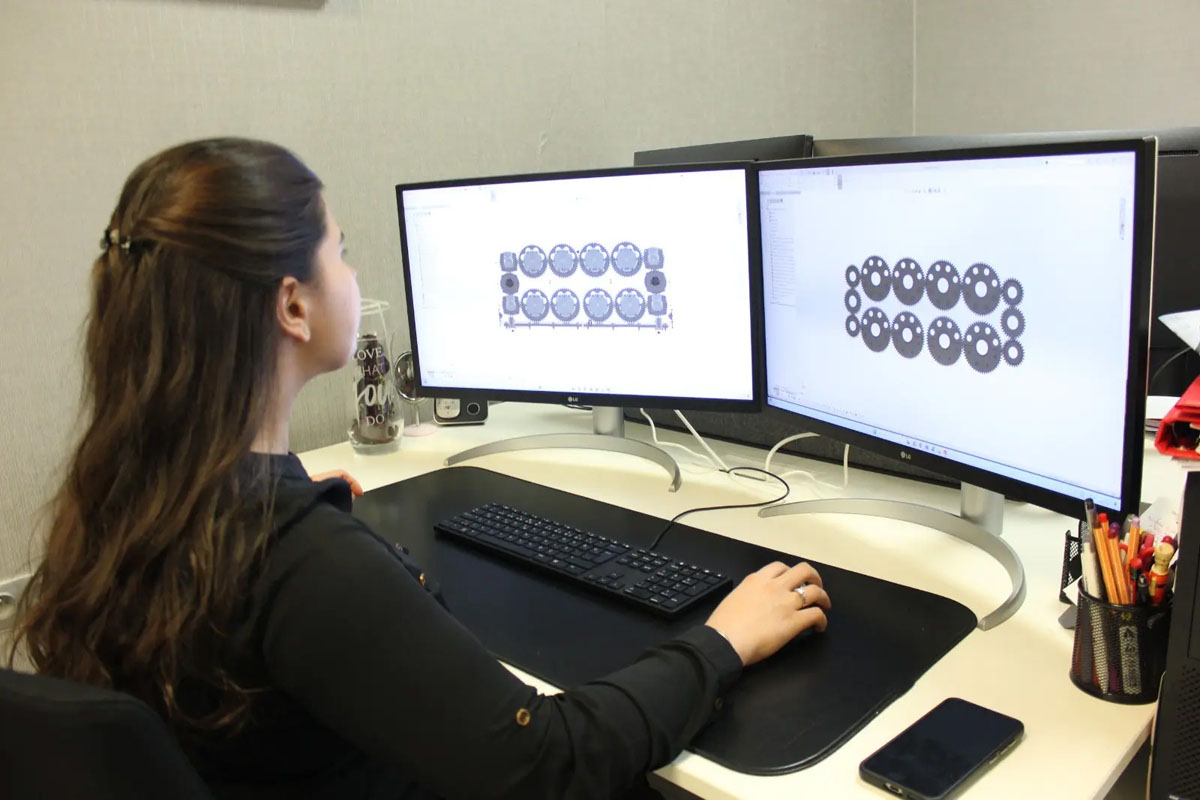
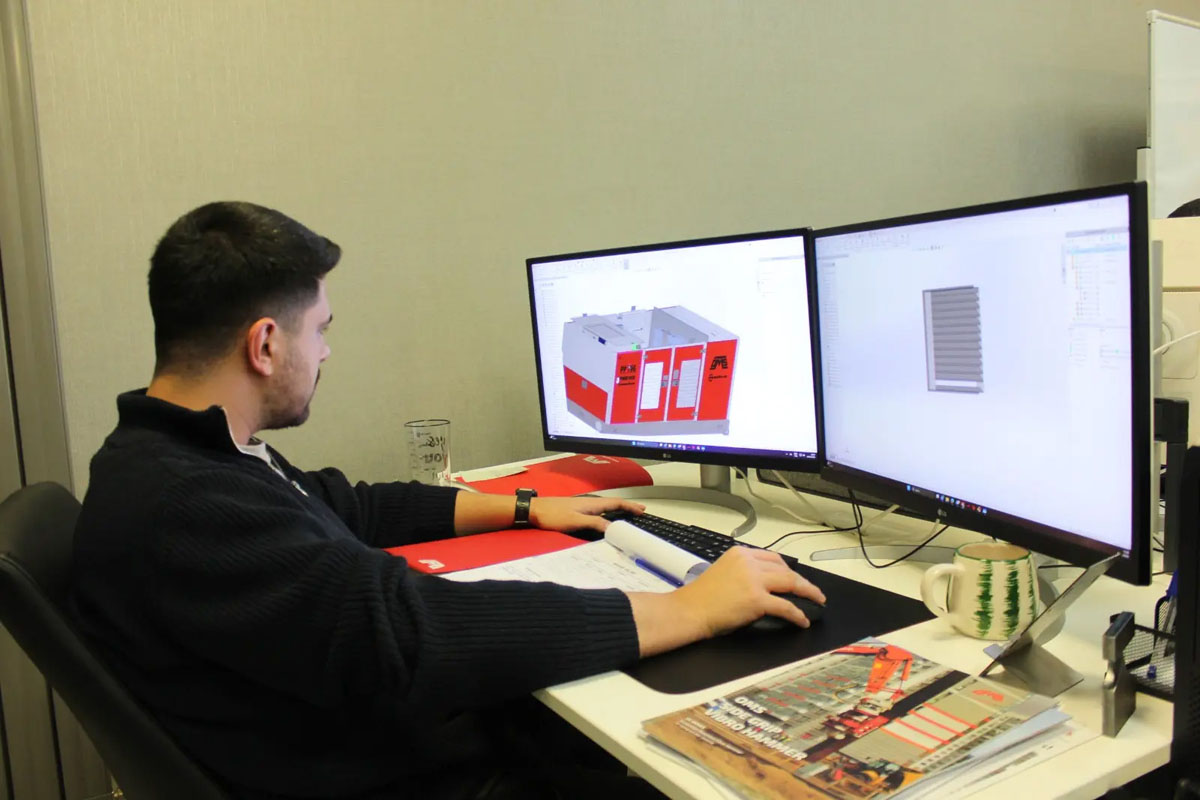
OMS Vibro’s engineering approach connects project assessment with product selection, hydraulic compatibility, mechanical configuration and, when required, engineering and manufacturing input. This approach reflects OMS Vibro’s broader R&D process, where new machine development begins with project requirements or customer needs before proceeding through computer-aided design, digital assembly, simulation and engineering analysis.
What Is OMS Vibro Advice and Engineering?
Advice and Engineering is the technical evaluation process that helps determine how an OMS Vibro solution should be configured for a specific application.
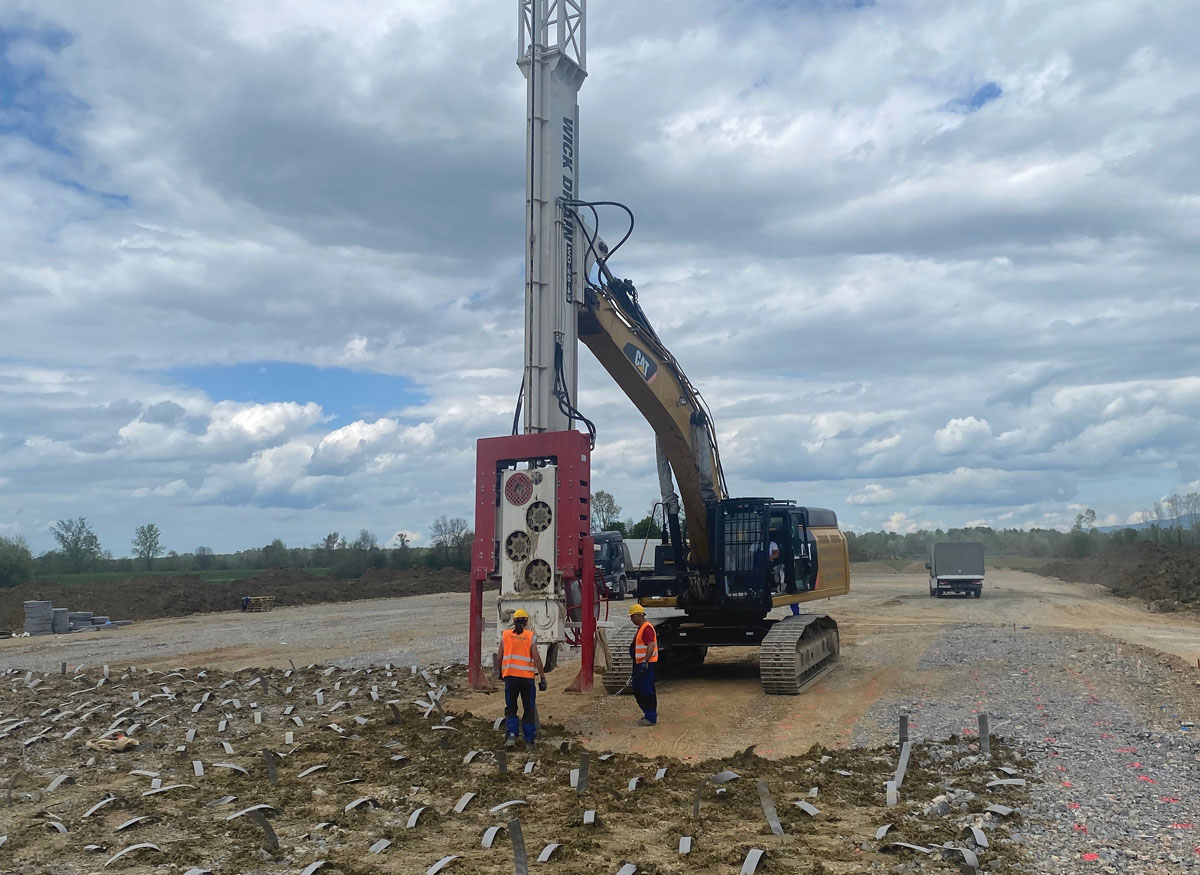
Rather than evaluating only the nominal capacity of a machine, the engineering process considers how the complete equipment system will operate under actual project conditions. Depending on the application, this can include the vibratory hammer, hydraulic clamp, power pack, excavator interface, vibroflotation equipment, wick drain installation equipment and related system components.
OMS Vibro develops vibratory pile driving/extraction machines, hydraulic power units, hydraulic clamps and soil improvement equipment, allowing engineering assessment to consider the interaction between the main equipment and supporting systems.
Project Requirements as the Starting Point
Every engineering evaluation begins with understanding the application.
Soil and Ground Conditions
Ground conditions directly influence equipment selection and expected operational behaviour. Depending on the project, available geotechnical information can therefore become an important input when evaluating the required vibration characteristics and equipment configuration.
For pile driving applications, parameters such as pile type, installation or extraction requirement, driving depth and soil condition must be considered together. OMS Vibro’s equipment selection guidance also identifies these factors as important criteria when matching a vibratory hammer to an application.
For ground improvement projects, the engineering approach changes according to whether the application involves vibro compaction, vibro replacement or prefabricated vertical drain installation. The equipment arrangement must therefore be evaluated according to the ground improvement method and project installation requirements.
Pile Type and Geometry
Sheet piles, pipe piles, structural sections and timber piles require different gripping and handling configurations.
The clamp should therefore not be treated as an independent accessory. It forms part of the force-transfer path between the vibratory hammer and the pile.
OMS Vibro provides SCN hydraulic clamps for sheet piles, KCN clamps for pipe piles and ACN clamps for timber piles. The clamp configuration can therefore be evaluated together with the selected vibratory hammer and pile geometry.
Working Depth and Operational Constraints
Required installation depth can influence the selection of machine capacity, carrier arrangement and overall working method.
The engineering assessment should also consider site constraints such as limited access, available lifting capacity, working height and equipment positioning. Where an excavator-mounted system is considered, excavator compatibility becomes part of the selection process rather than a separate installation issue.
Selecting the Appropriate OMS Vibro Equipment
OMS Vibro’s product portfolio allows the engineering team to evaluate different equipment architectures according to the project.
Vibratory Hammers
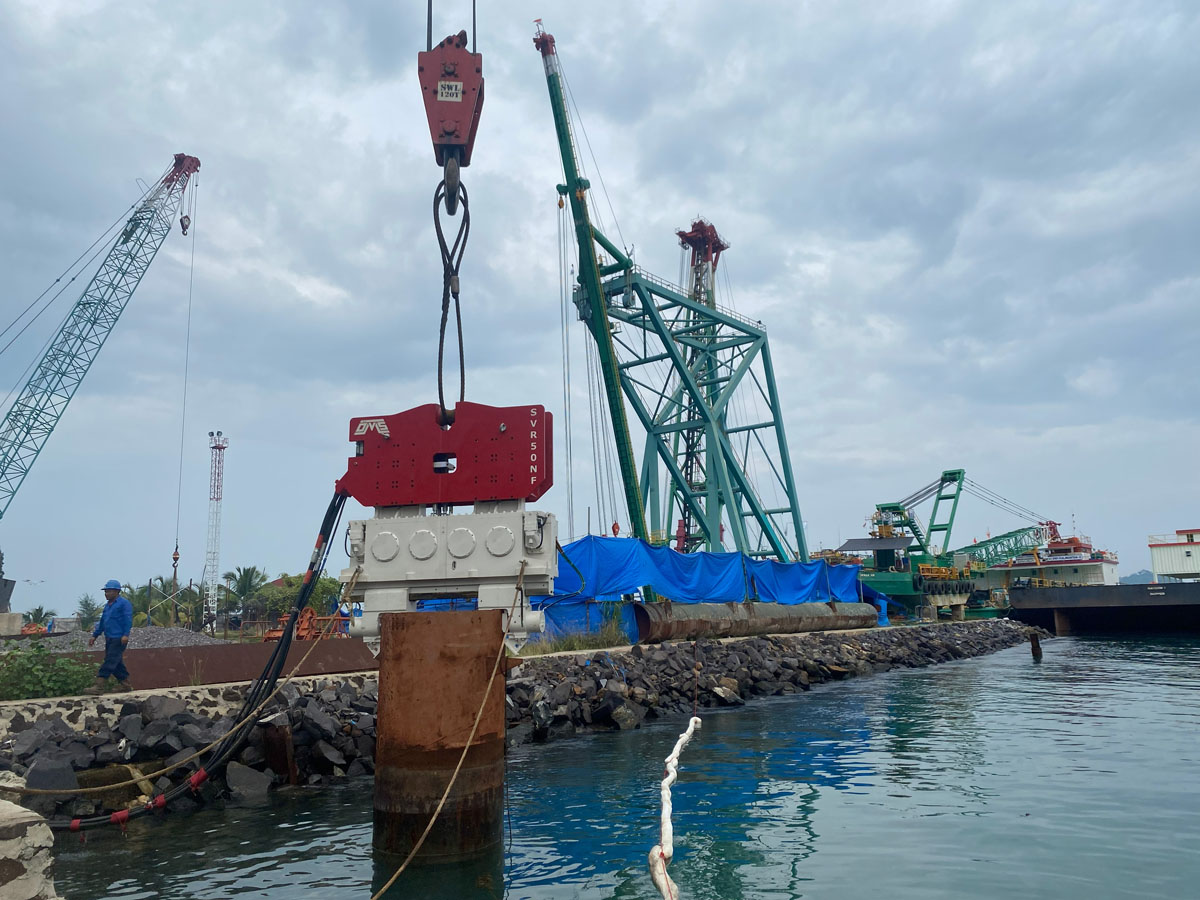
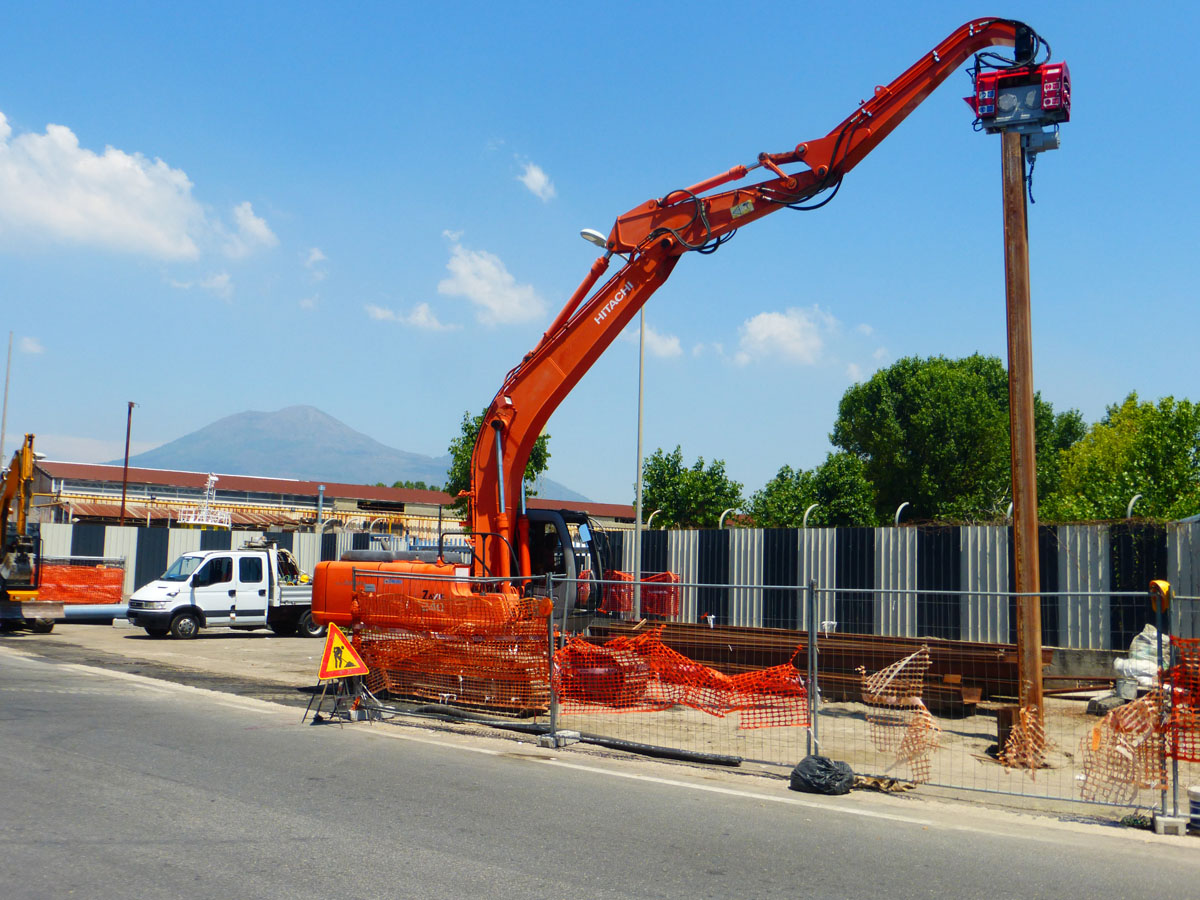
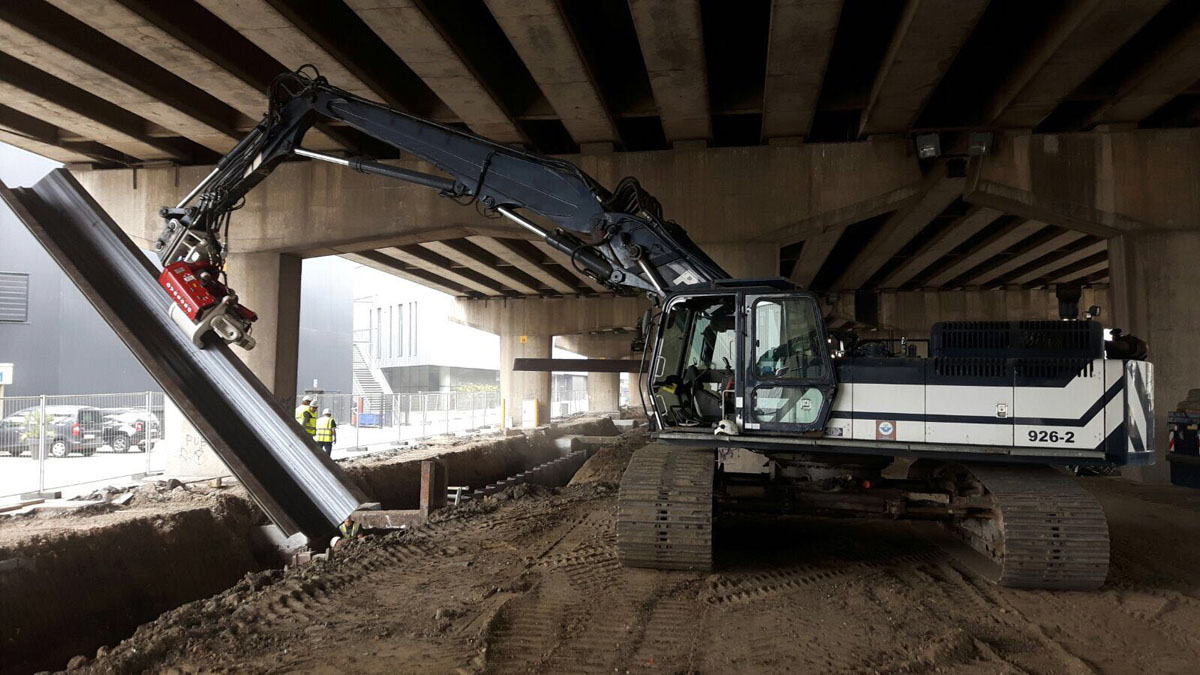
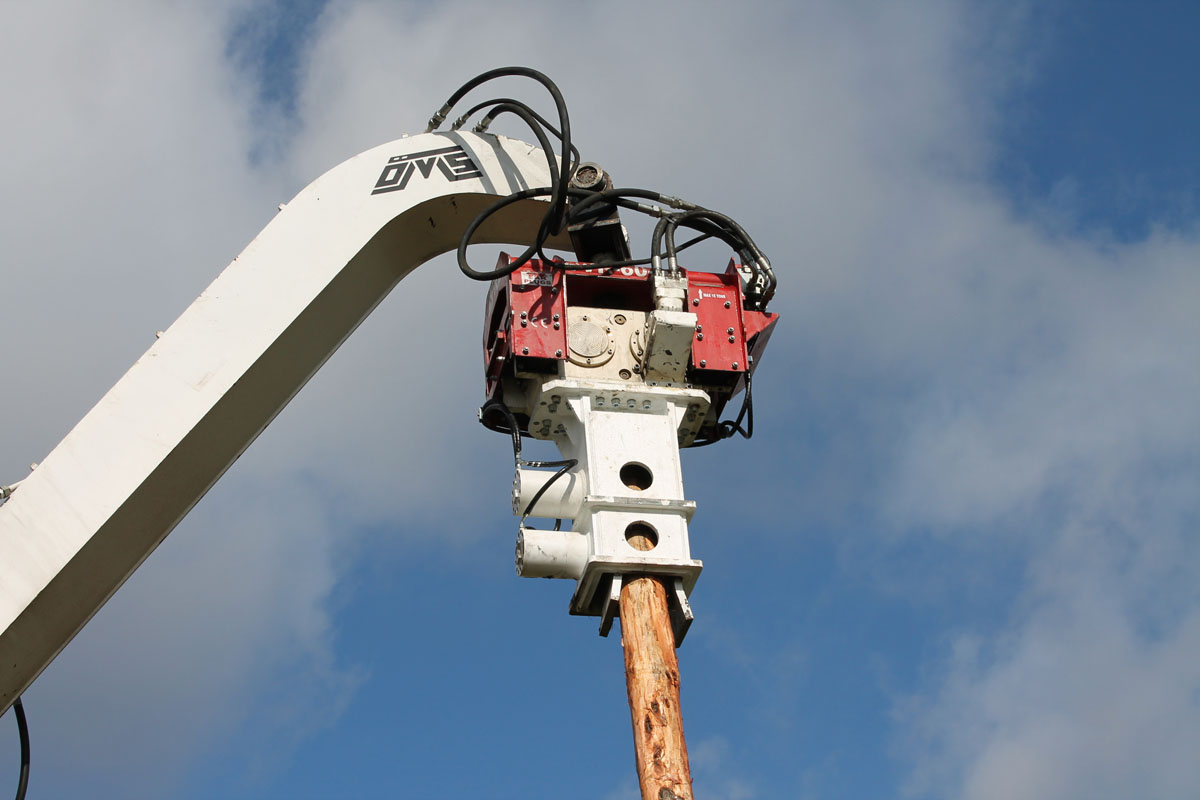
The OMS Vibro vibratory hammer range includes crane-suspended and excavator-mounted configurations, as well as variable moment and side grip solutions.
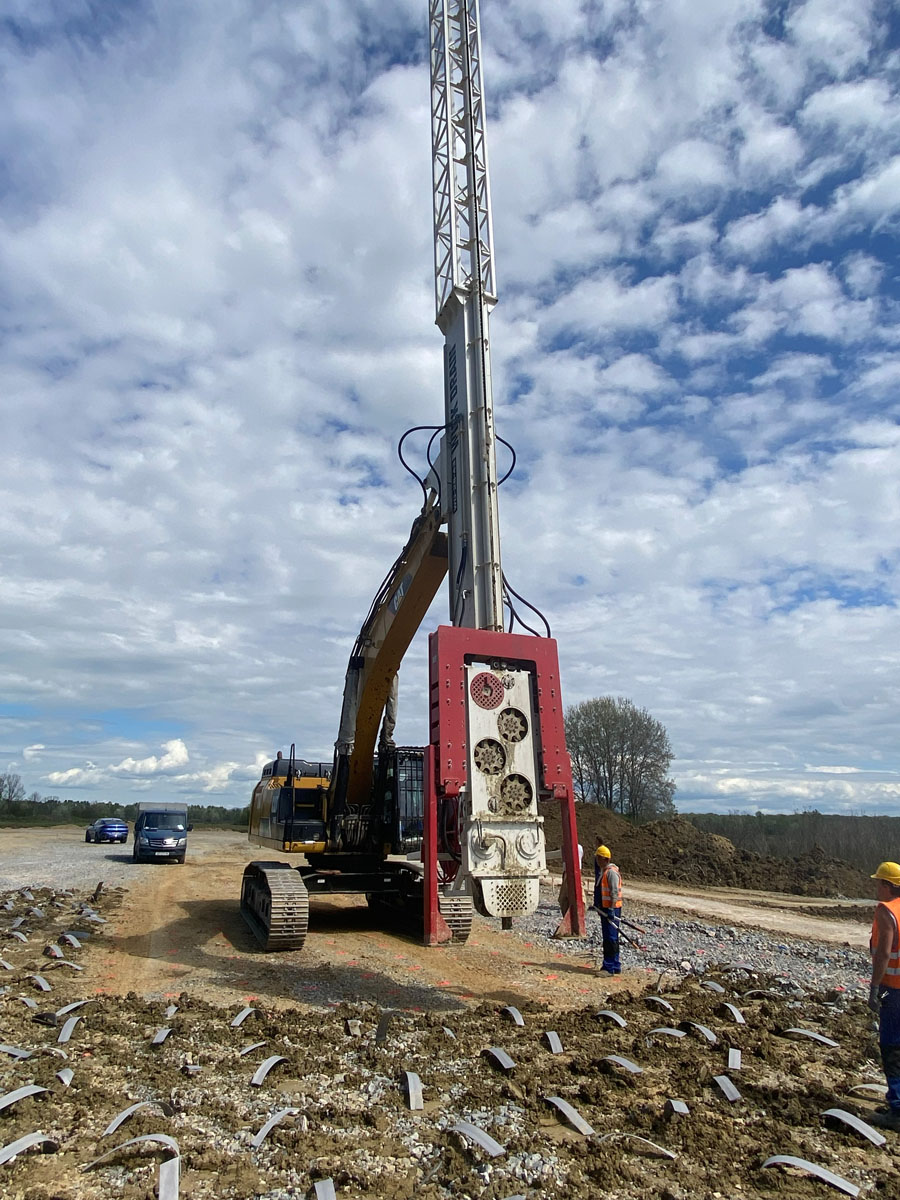
Selection can depend on the pile, soil conditions, installation depth, available carrier equipment and site restrictions. For example, the SG Series combines an excavator-mounted configuration with rotation and tilting capability, allowing the equipment concept to address applications where handling or available working space affects the piling sequence.
Explore OMS Vibro Vibratory Hammers.
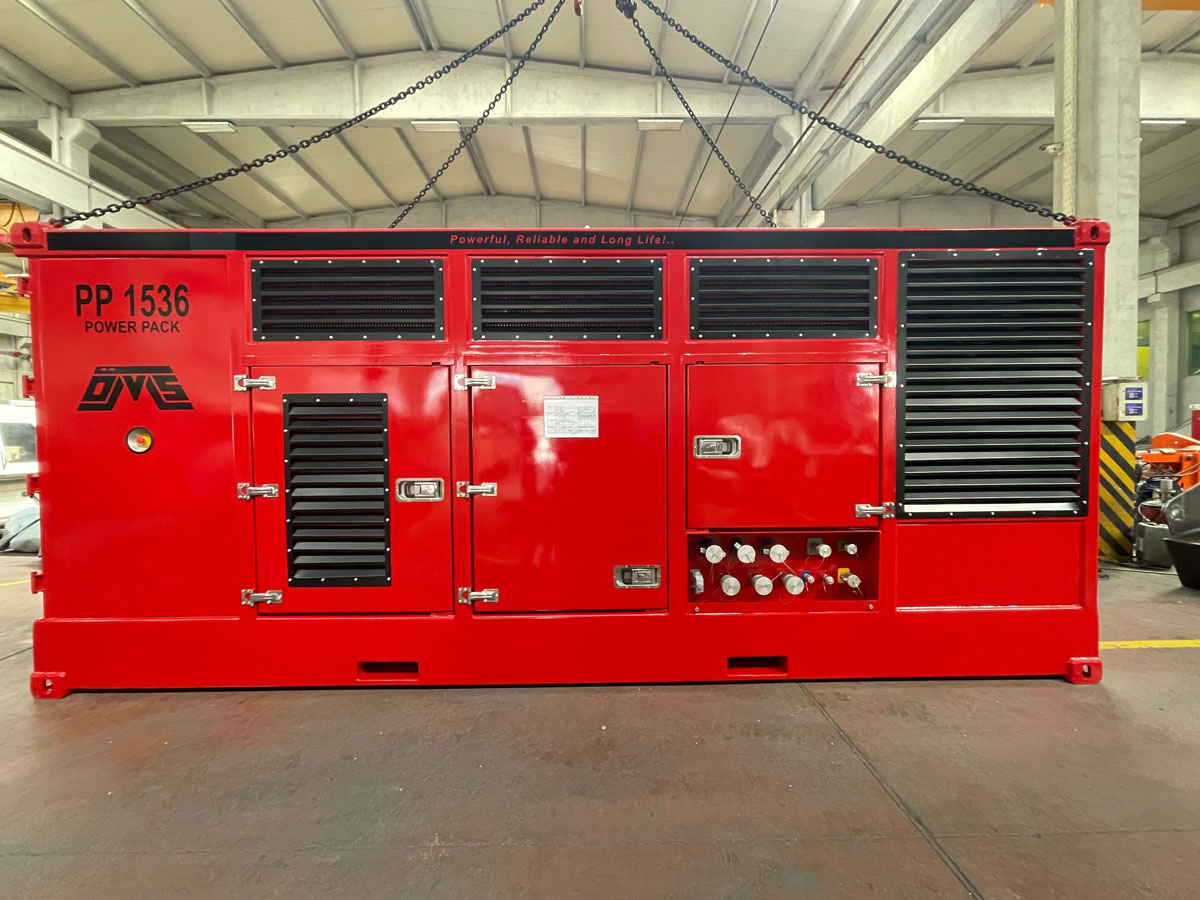
Hydraulic Power Units
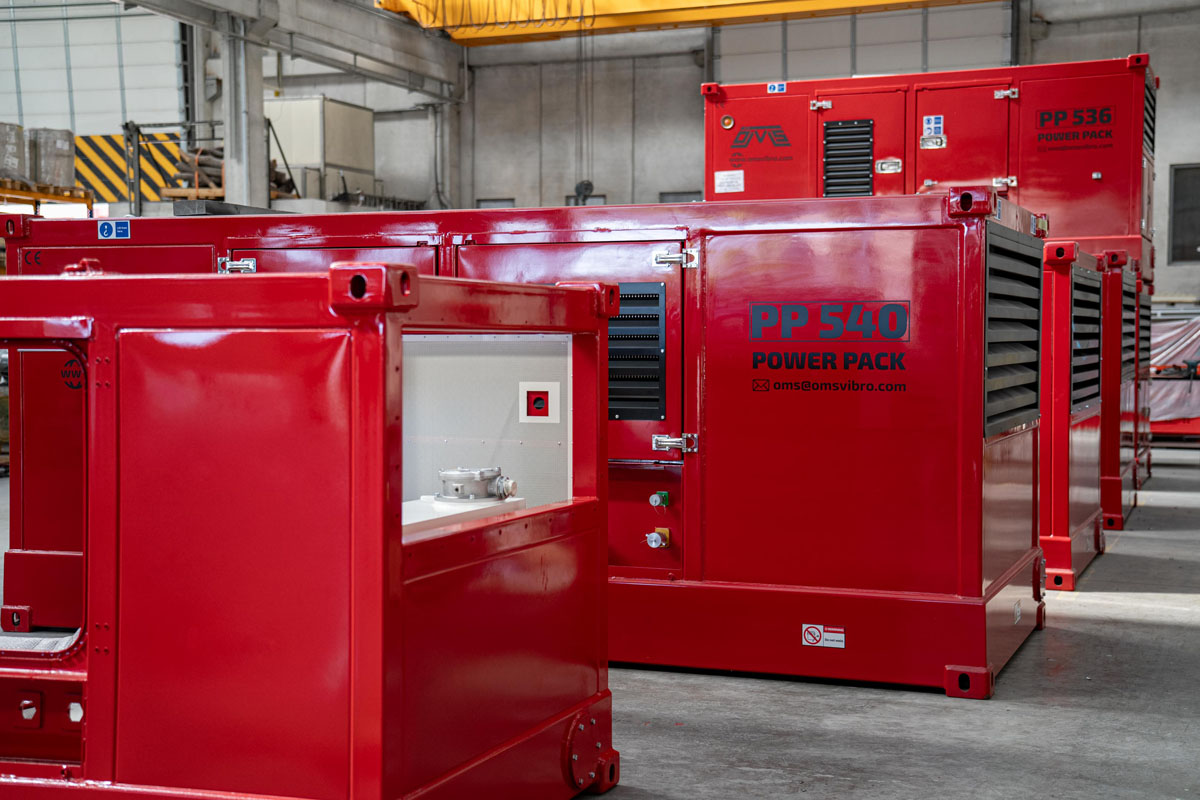
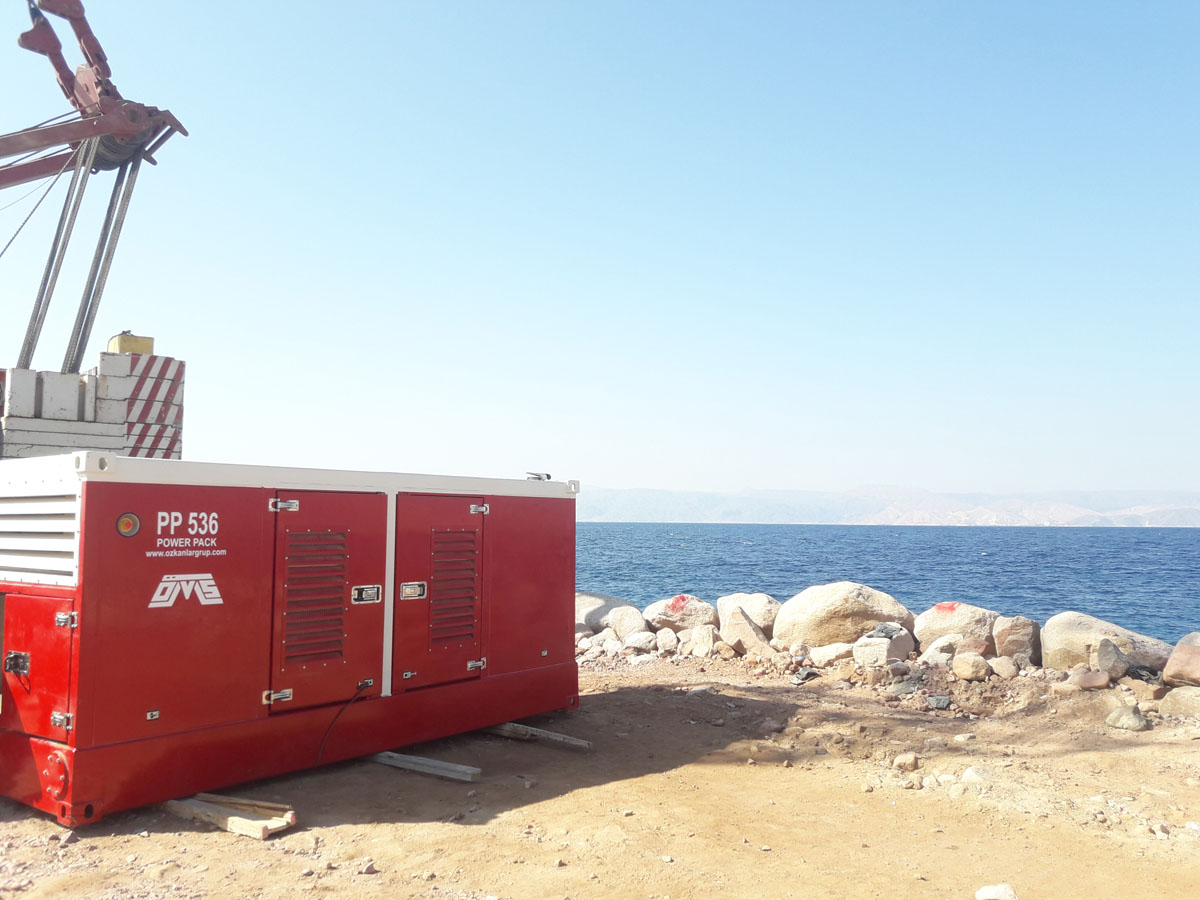
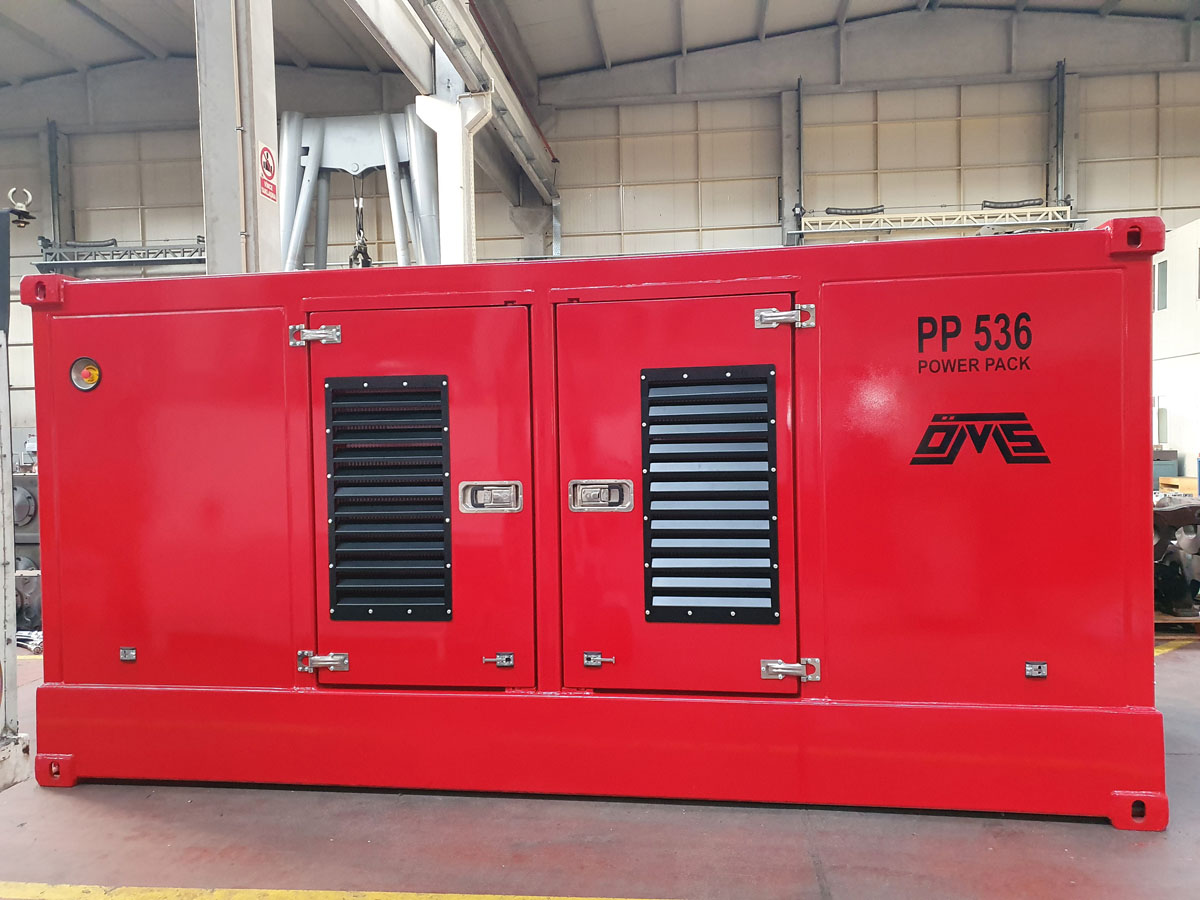
For systems powered by a separate hydraulic power unit, the hammer and power pack must be considered as an integrated hydraulic system.
Required hydraulic flow, pressure, control architecture and operating requirements must be compatible with the selected equipment. OMS hydraulic power units provide control and monitoring functions through their control systems and are available in different hydraulic configurations.
Explore OMS Vibro Hydraulic Power Units.
Hydraulic Clamps
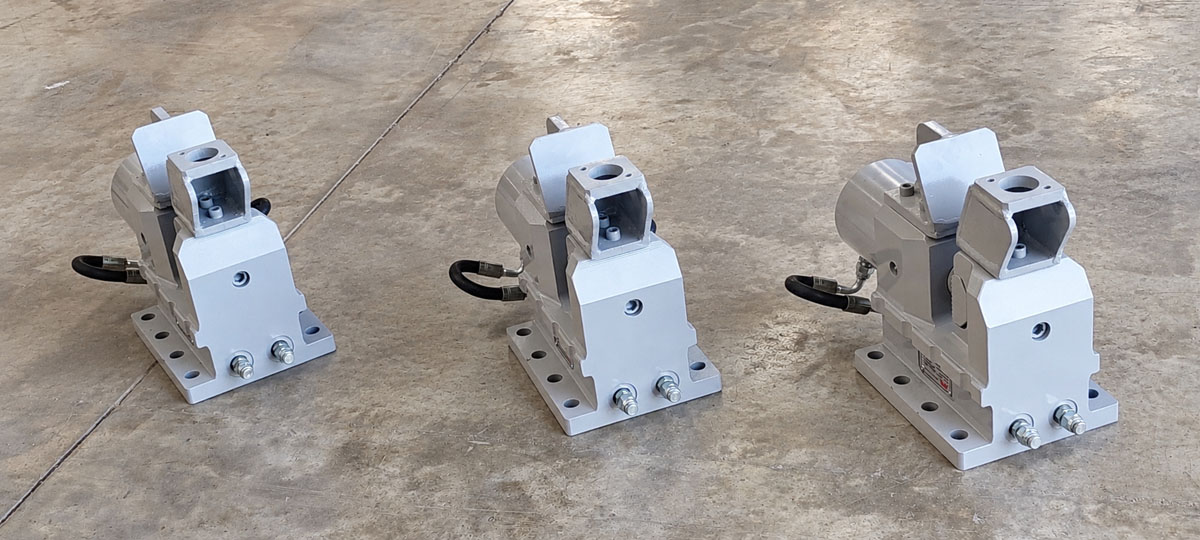
Correct clamp selection is essential for transmitting vibration and maintaining secure contact with the pile.
Pile geometry, clamp configuration and the selected vibratory hammer should therefore be reviewed as one system. OMS Vibro’s hydraulic clamp portfolio covers sheet, pipe and timber pile applications.
Explore OMS Vibro Hydraulic Clamps.
Ground Improvement Equipment
Advice and Engineering also applies to OMS Vibro ground improvement systems.
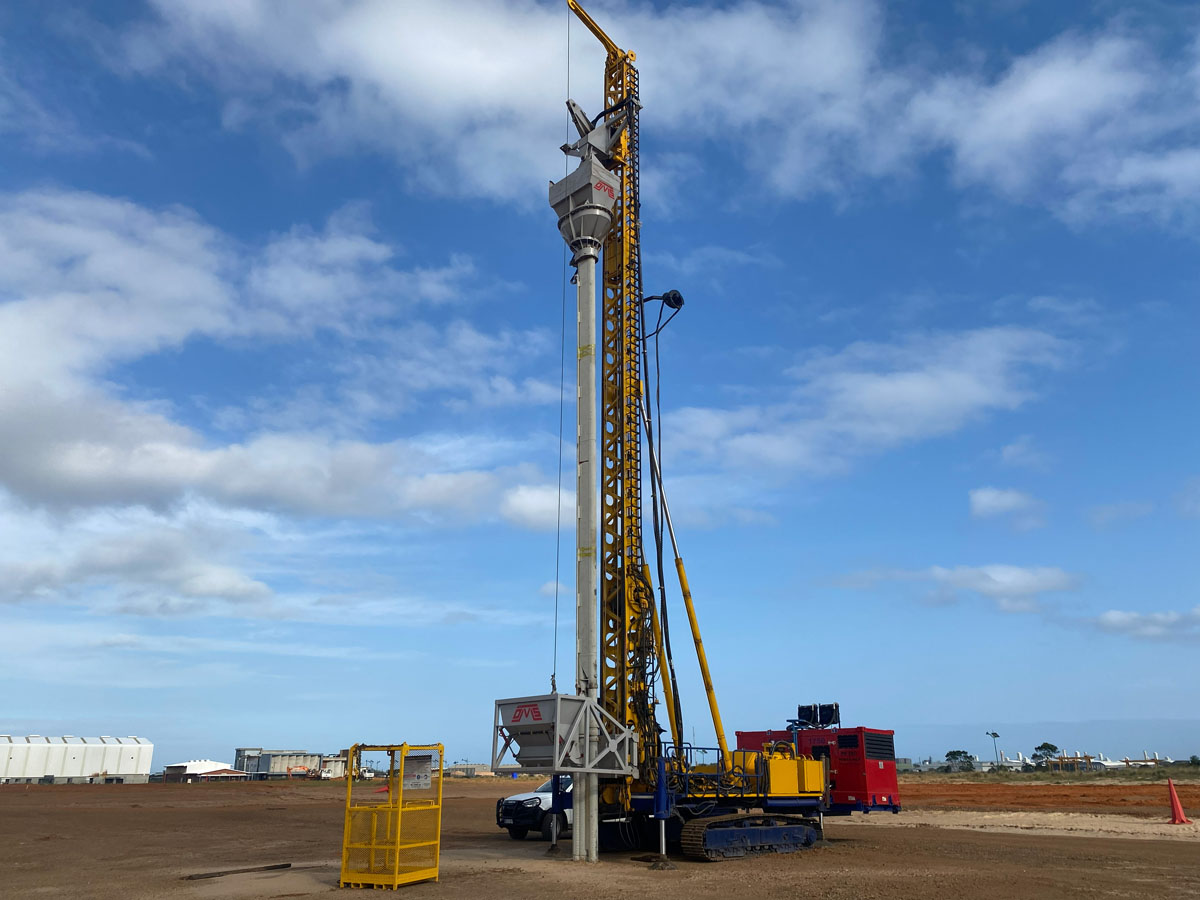
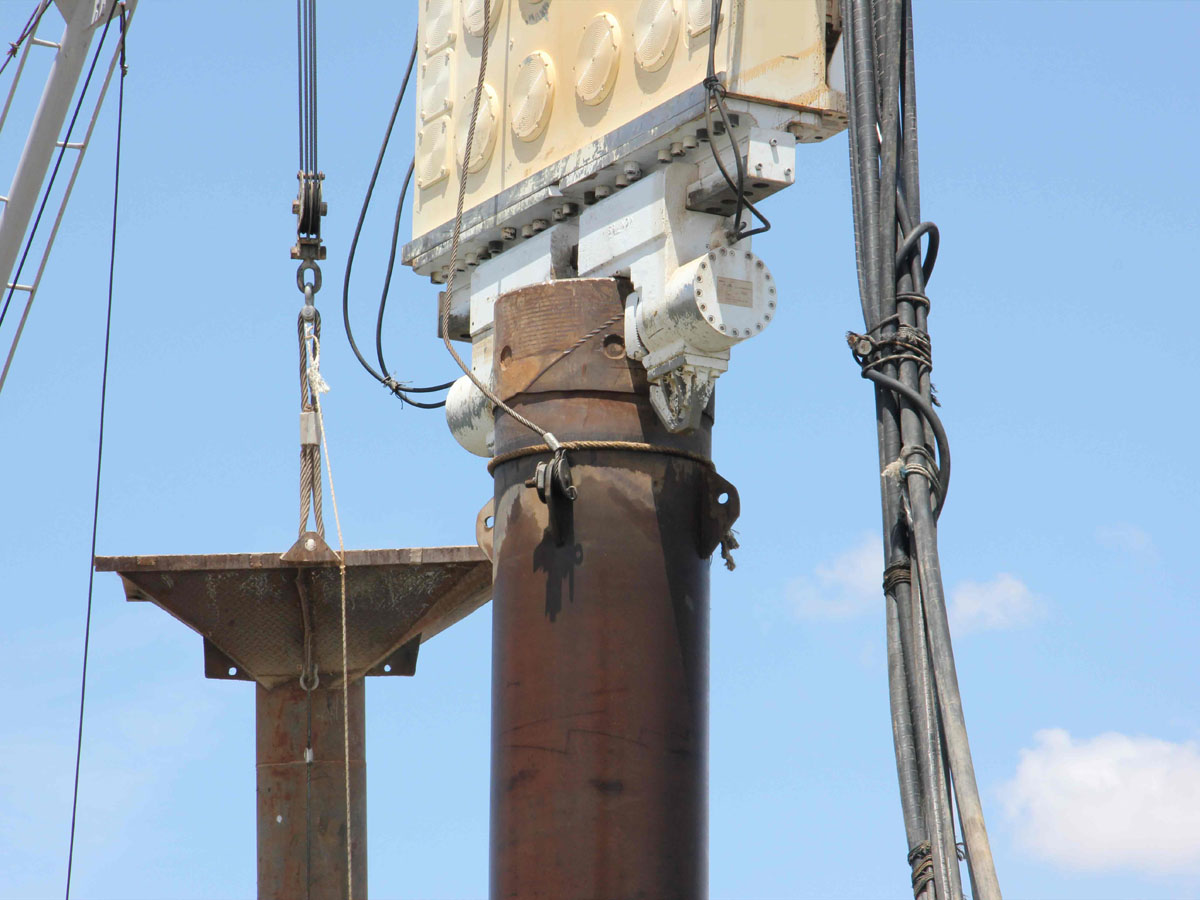
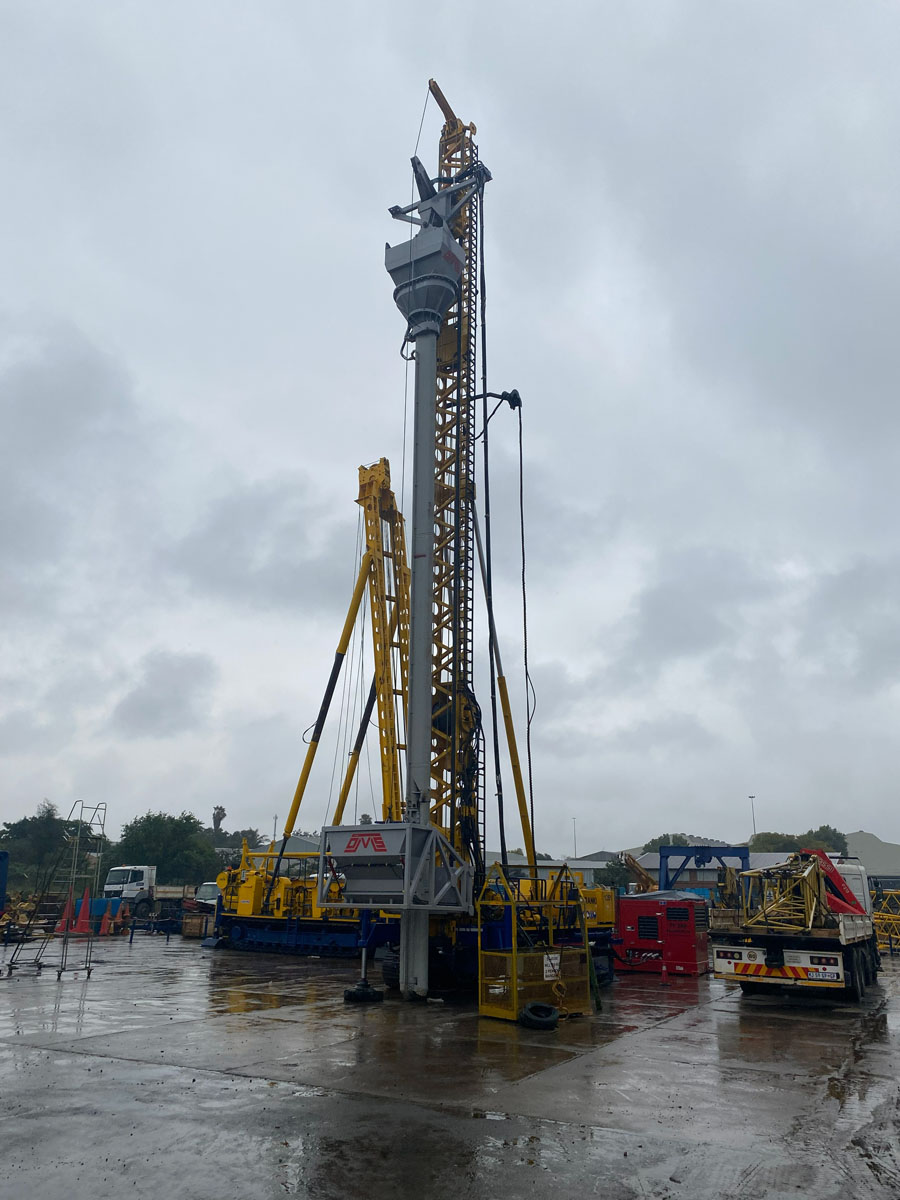
For vibroflotation projects, the engineering evaluation can consider whether the application requires vibro compaction or vibro replacement and which mounting arrangement fits the project. OMS solutions include configurations suitable for different installation concepts and carrier arrangements.
For prefabricated vertical drain applications, equipment selection must correspond to the installation process, required working depth and project configuration.
Explore OMS Vibro Vibroflotation Equipment and Wick Drain Equipment.
From Engineering Assessment to Technical Configuration
Once the project requirements are defined, engineering moves from application analysis to system configuration.
The process may include evaluating:
- project and geotechnical requirements,
- pile type, dimensions and working depth,
- driving and/or extraction requirements,
- crane or excavator configuration,
- available hydraulic pressure and flow,
- vibratory hammer and clamp compatibility,
- power pack requirements,
- access and working-space constraints,
- control and operating requirements,
- project-specific mechanical interfaces.
The final configuration should therefore be based on the interaction of these parameters rather than a single machine specification.
Engineering Support Before Production
Project-specific requirements can also influence the engineering and production stages.
OMS Vibro’s published R&D process starts with customer and project requirements. Engineers create design concepts and solid models using computer-aided tools, prepare production drawings according to ISO standards, digitally assemble the components and evaluate performance through simulation and stress analysis before production begins.
This connection between Advice and Engineering, R&D and manufacturing is particularly important when a standard configuration must be adapted to a project’s mechanical or operational requirements.
Learn more about the OMS Vibro Vibro Hammer Production Process and R&D.
Engineering Verification and Production Quality
Engineering does not end when the design is released for manufacturing.
OMS Vibro’s production process includes incoming material quality control, precision machining and component-specific inspection. Published inspection activities include dimensional measurements, hardness and tensile testing, dye penetrant testing, magnetic particle inspection, ultrasonic testing and measurements related to temperature, pressure, sealing and coating thickness. Manufactured equipment is subsequently assembled and tested on dedicated test platforms.
This creates continuity between project requirements, engineering decisions, manufacturing and final equipment verification.
A General Engineering Decision Path
A typical OMS Vibro Advice and Engineering workflow can be considered as:
Project requirements → Ground and pile data → Installation method → Carrier selection → Equipment selection → Clamp and hydraulic configuration → Engineering verification → Production input → Testing → Site support
The exact sequence can vary depending on the application. Site-specific equipment selection and engineering decisions should therefore be finalized with the OMS Vibro technical team.
Frequently Asked Questions
Typical inputs include soil conditions, pile type and dimensions, required installation or extraction depth, carrier equipment, available hydraulic characteristics and relevant site restrictions.
No. The engineering approach can cover OMS Vibro vibratory hammers, hydraulic power units, hydraulic clamps, vibroflotation systems and wick drain installation equipment.
The selected equipment must operate with the required hydraulic pressure and flow characteristics. For excavator-mounted equipment, the carrier’s hydraulic system must therefore be evaluated as part of the equipment configuration.
Clamp selection should be evaluated together with the pile geometry, vibratory hammer and application. The clamp is part of the mechanical connection used to transfer vibration to the pile.
OMS Vibro’s R&D process is based on project requirements and customer needs, with computer-aided design, digital assembly, simulation and engineering analysis forming part of the development process.
OMS Vibro also provides after-sales technical support for installation, maintenance and repair requirements.