Manufacturing
Engineering-Driven Manufacturing at OMS Vibro
Manufacturing heavy-duty pile driving and ground improvement equipment requires close coordination between engineering, material selection, machining, fabrication and production planning. Dimensions, interfaces, material requirements and operating conditions must be defined before individual components enter the manufacturing process.
At OMS Vibro, manufacturing is integrated with the wider engineering workflow. Computer-aided design, digital product development and engineering analysis establish the technical basis required before a design is released for production. This connection between engineering and manufacturing helps ensure that individual components are produced according to the requirements of the complete machine.
The process begins before the first component reaches the production floor. Project requirements, equipment configuration and application conditions are evaluated during Research & Development and Advice and Engineering. The wider sequence from engineering to completed equipment can be reviewed under Production Process.
What Does OMS Vibro Manufacture?
OMS Vibro manufactures equipment for pile driving, pile extraction, hydraulic power generation and ground improvement applications. The product range includes crane-suspended and excavator-mounted vibratory hammers, side grip and top grip vibro hammers, hydraulic power packs, hydraulic clamps, vibroflots and wick drain installation equipment. The current website groups these products under Vibratory Hammers, Power Packs, Hydraulic Clamps and Ground Improvement equipment.
Although these product families differ in structure, operating principle and application, they share a common manufacturing requirement: mechanical and structural components must be produced according to approved engineering data and must remain compatible with the hydraulic, mechanical and control systems of the final equipment.
Detailed product families and available configurations can be reviewed on the Products page.
From Engineering Data to Production
A controlled manufacturing process starts with clearly defined technical information. Approved drawings and production requirements establish component dimensions, tolerances, material specifications, connection points and functional interfaces.
Technical requirements are considered throughout the process, from initial engineering concepts to component manufacturing and preparation for subsequent production stages. This is particularly important for equipment exposed to vibration, hydraulic forces, repeated mechanical loading and demanding construction-site conditions.
Manufacturing therefore focuses not only on producing individual parts, but also on maintaining compatibility between the components that will later operate together as a complete system.
Material Preparation and Production Readiness
Raw materials and supplied components enter production only after the required acceptance checks have been completed. The objective at this stage is to ensure that materials released to manufacturing correspond to the specified production requirements.
Once accepted, materials are routed according to the manufacturing operations required for the relevant component. The production route may differ depending on whether the part is a machined component, structural element or another machine-specific part. Detailed material verification, inspection methods and acceptance criteria are part of the separate Quality Control process.
Precision CNC Machining
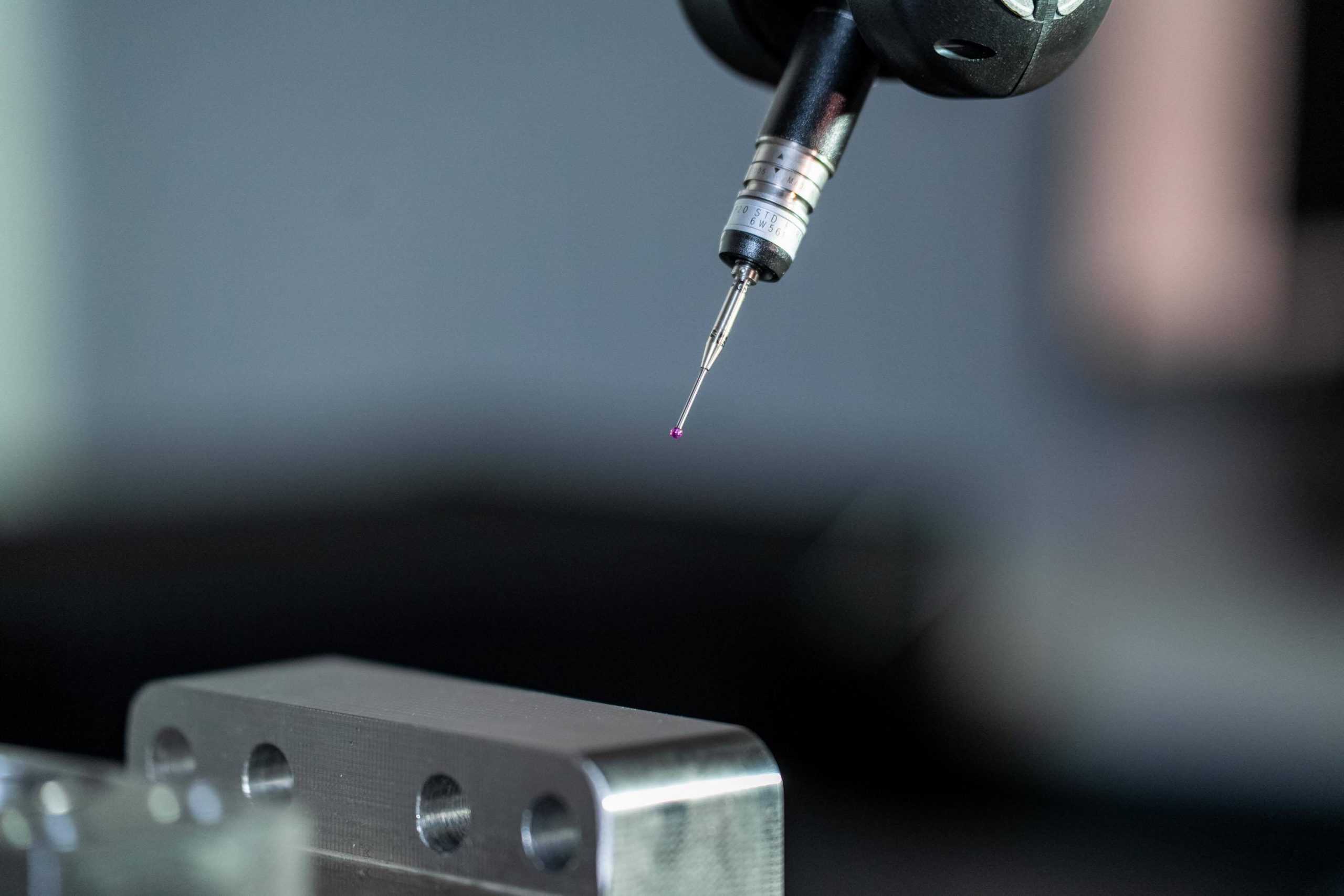
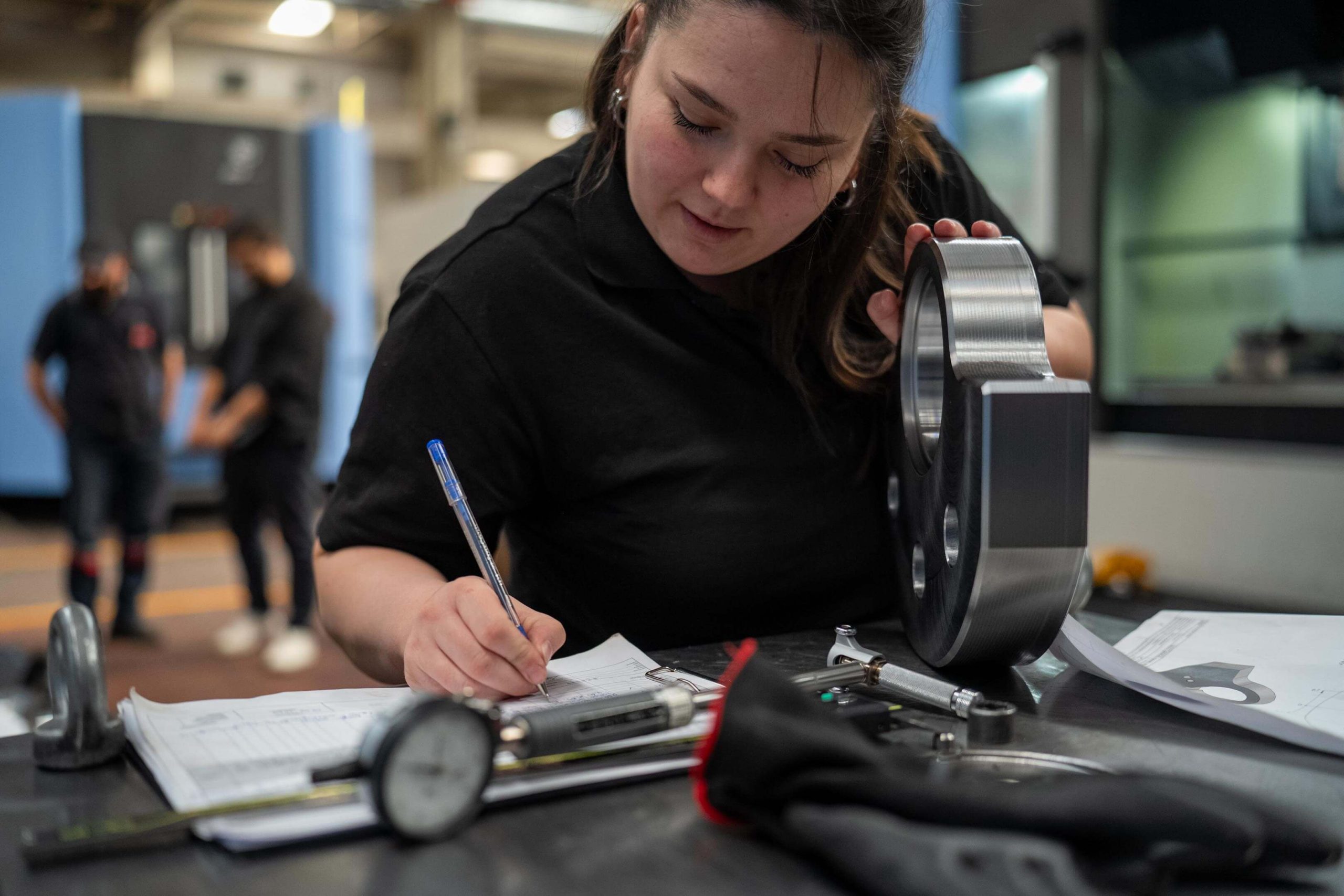
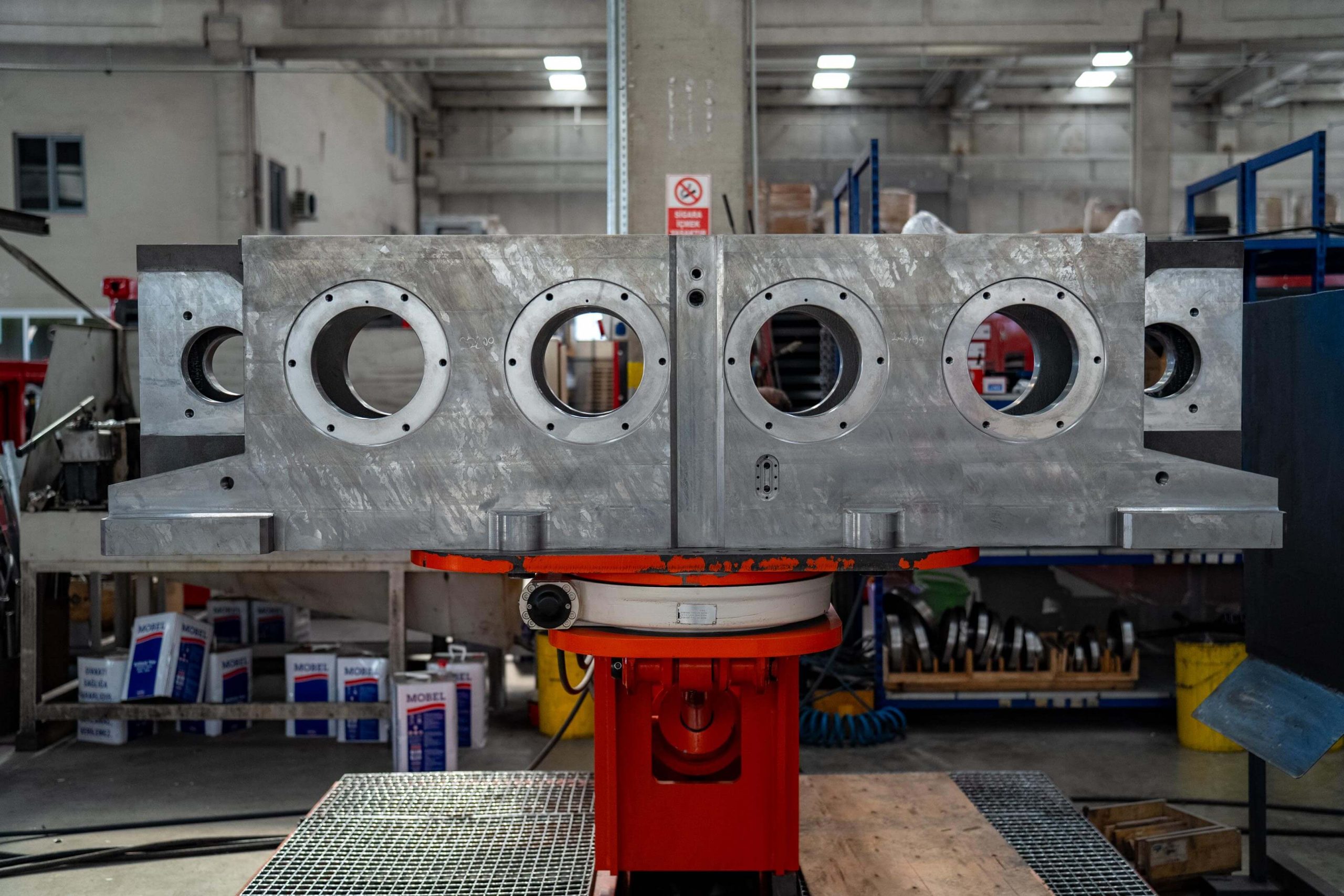
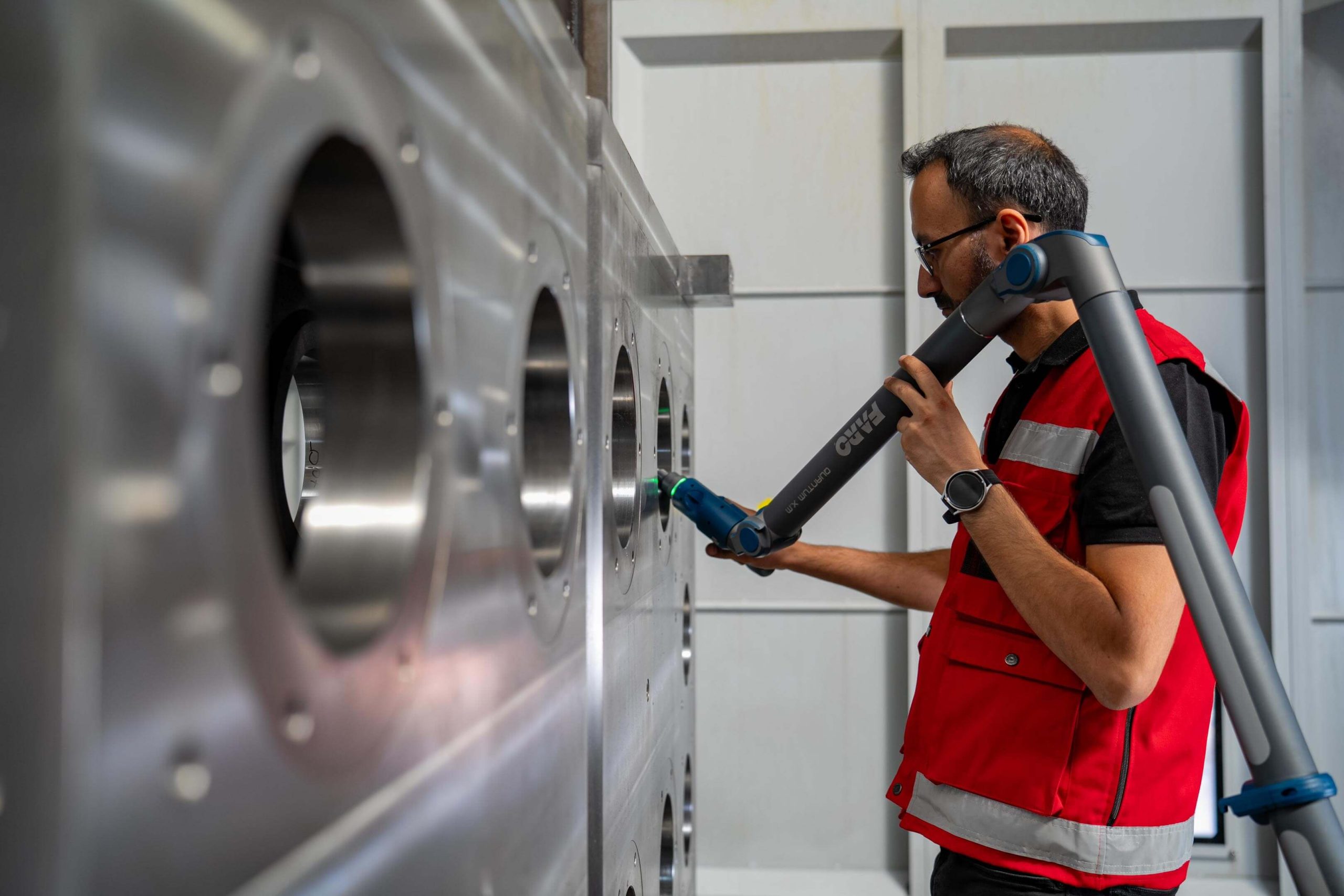
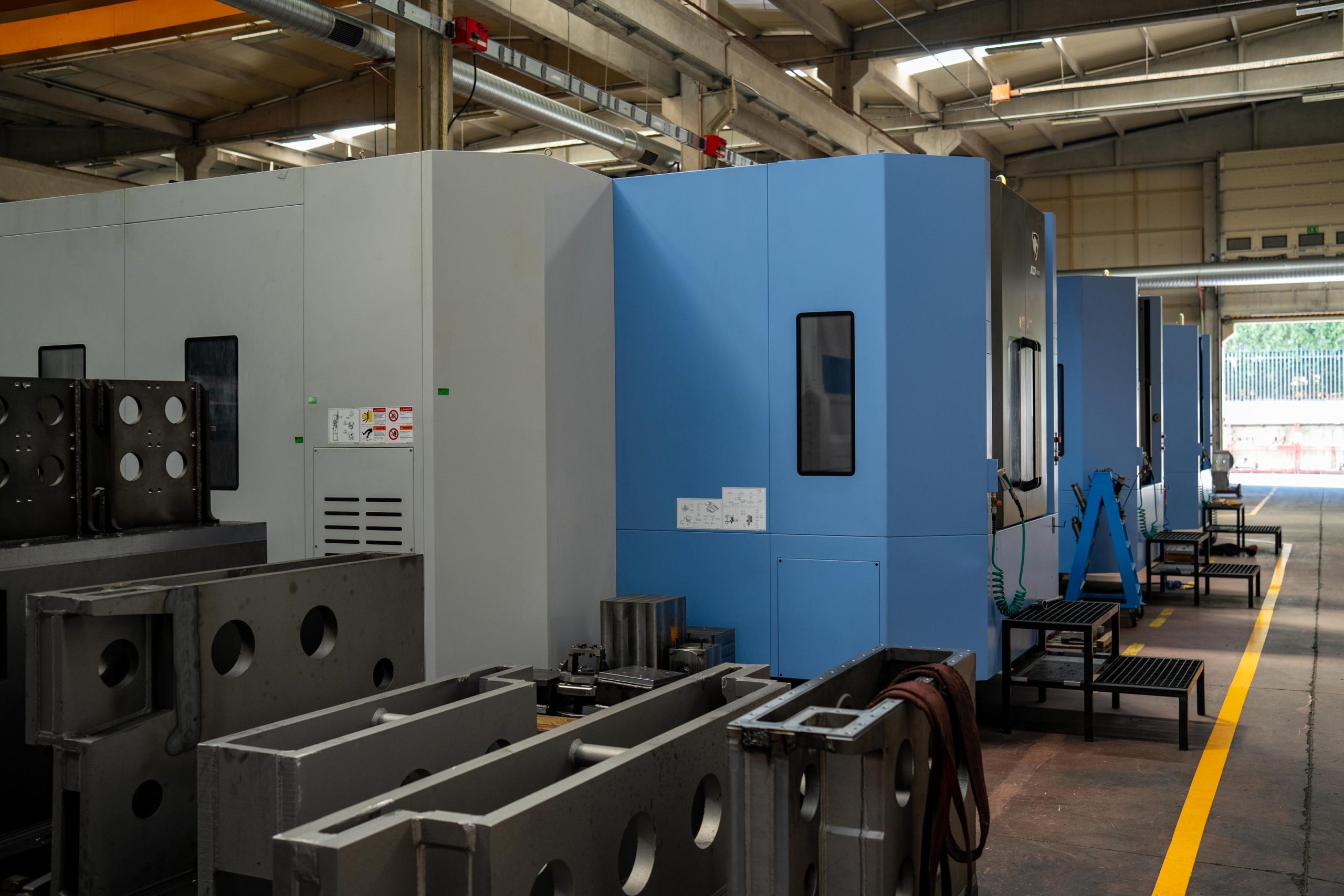
Precision machining is one of the core stages of OMS Vibro manufacturing. Components are produced on CNC machining centers according to the required dimensions, geometries and connection interfaces.
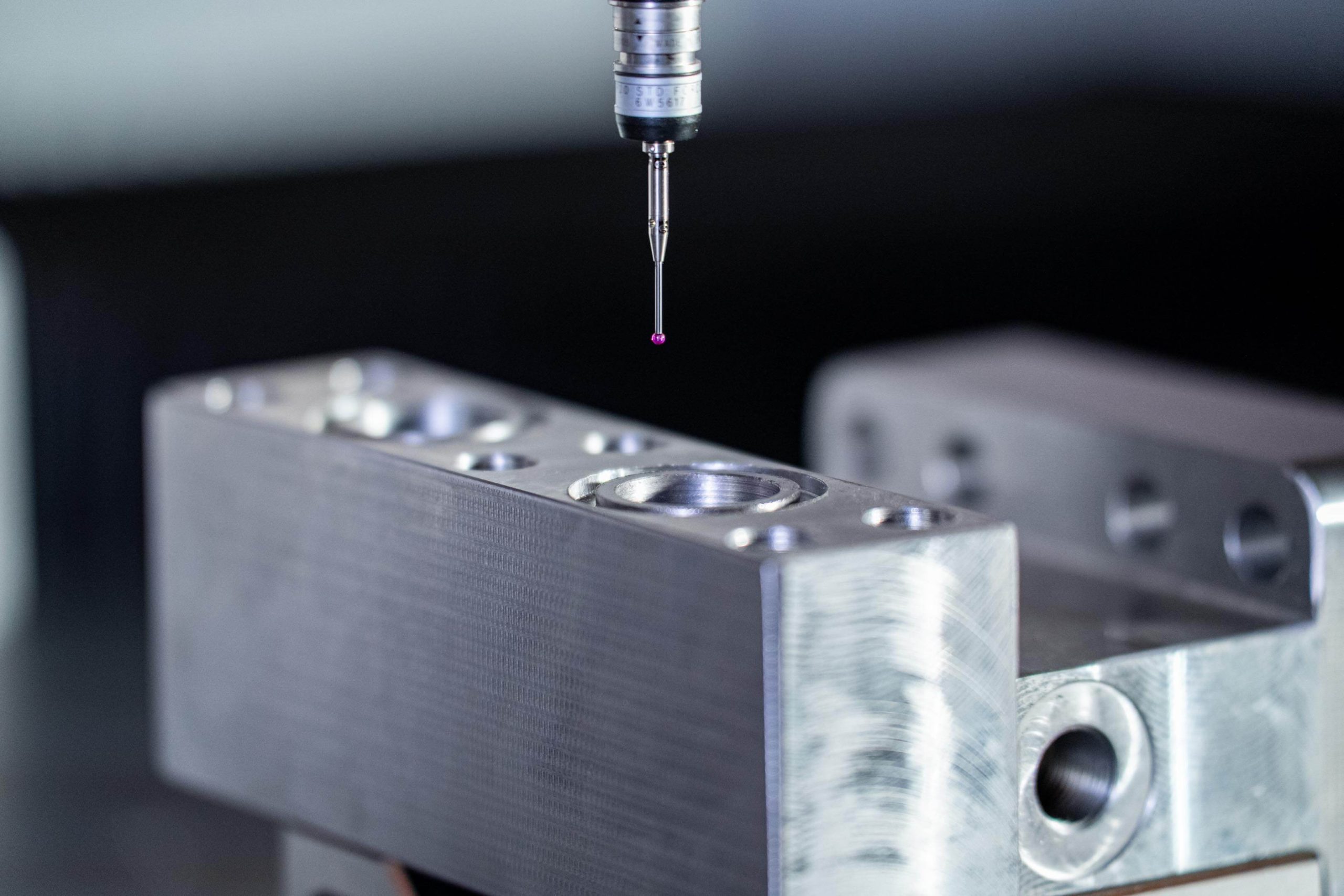
For heavy-duty equipment, machining accuracy affects more than the individual part itself. Bearing locations, shaft interfaces, connection surfaces, hydraulic component interfaces and structural mounting points must work together when the machine reaches the assembly stage.
Controlled CNC machining supports repeatability between manufactured components and helps maintain the dimensional consistency required across different production batches.
This becomes especially important in vibratory equipment, where rotating systems, mechanical connections and supporting structures must function as an integrated system under dynamic operating conditions.
Welding and Structural Fabrication
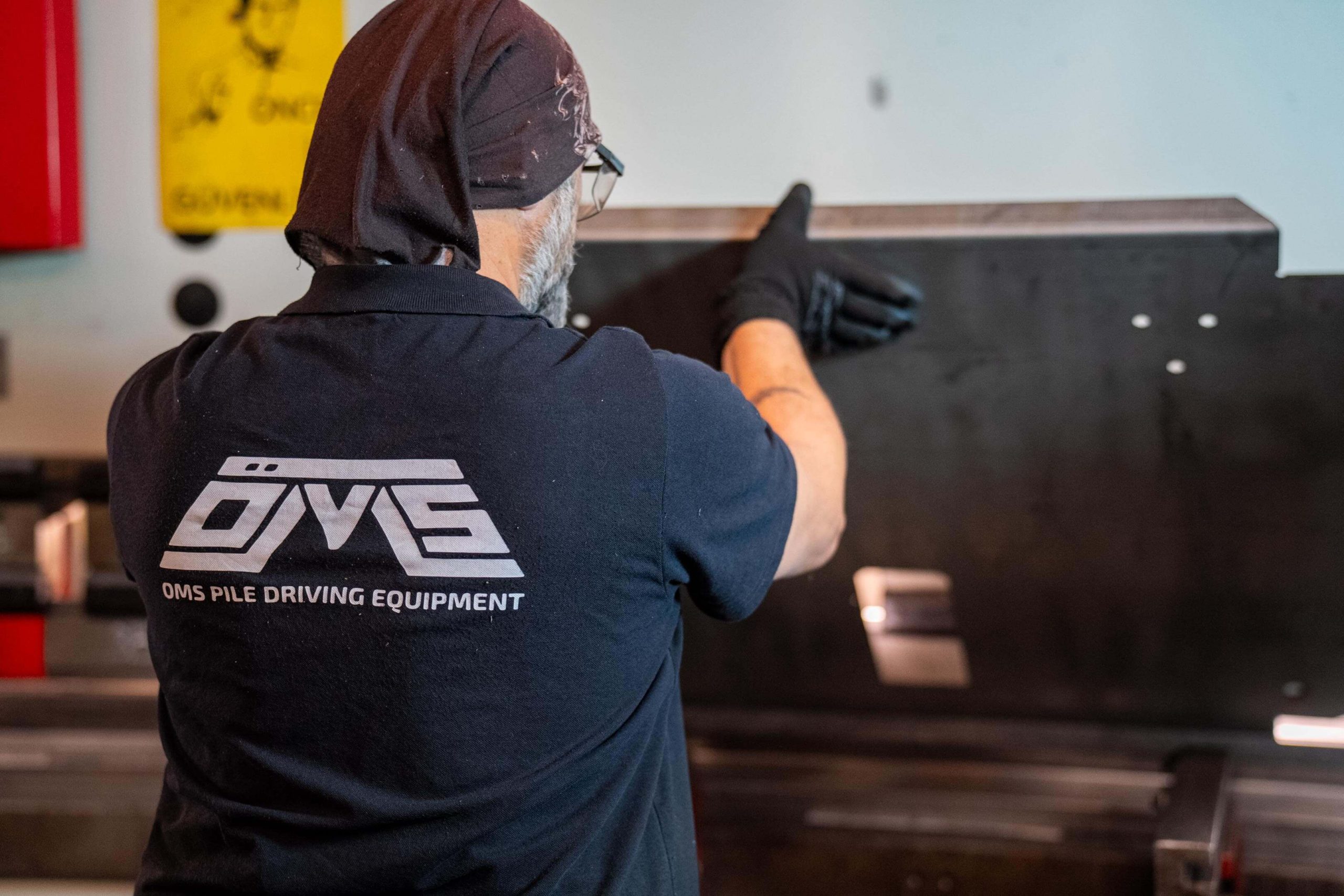
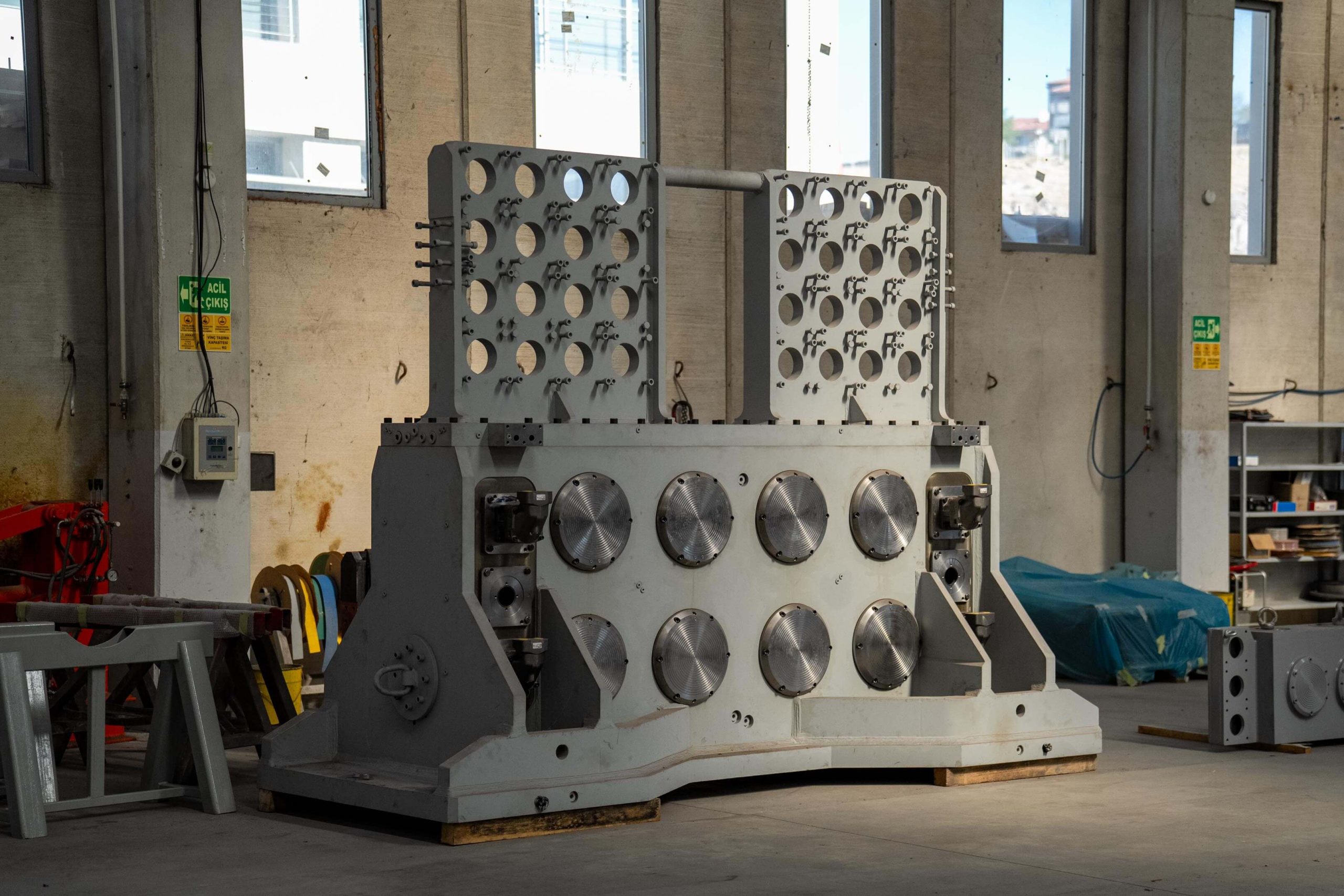
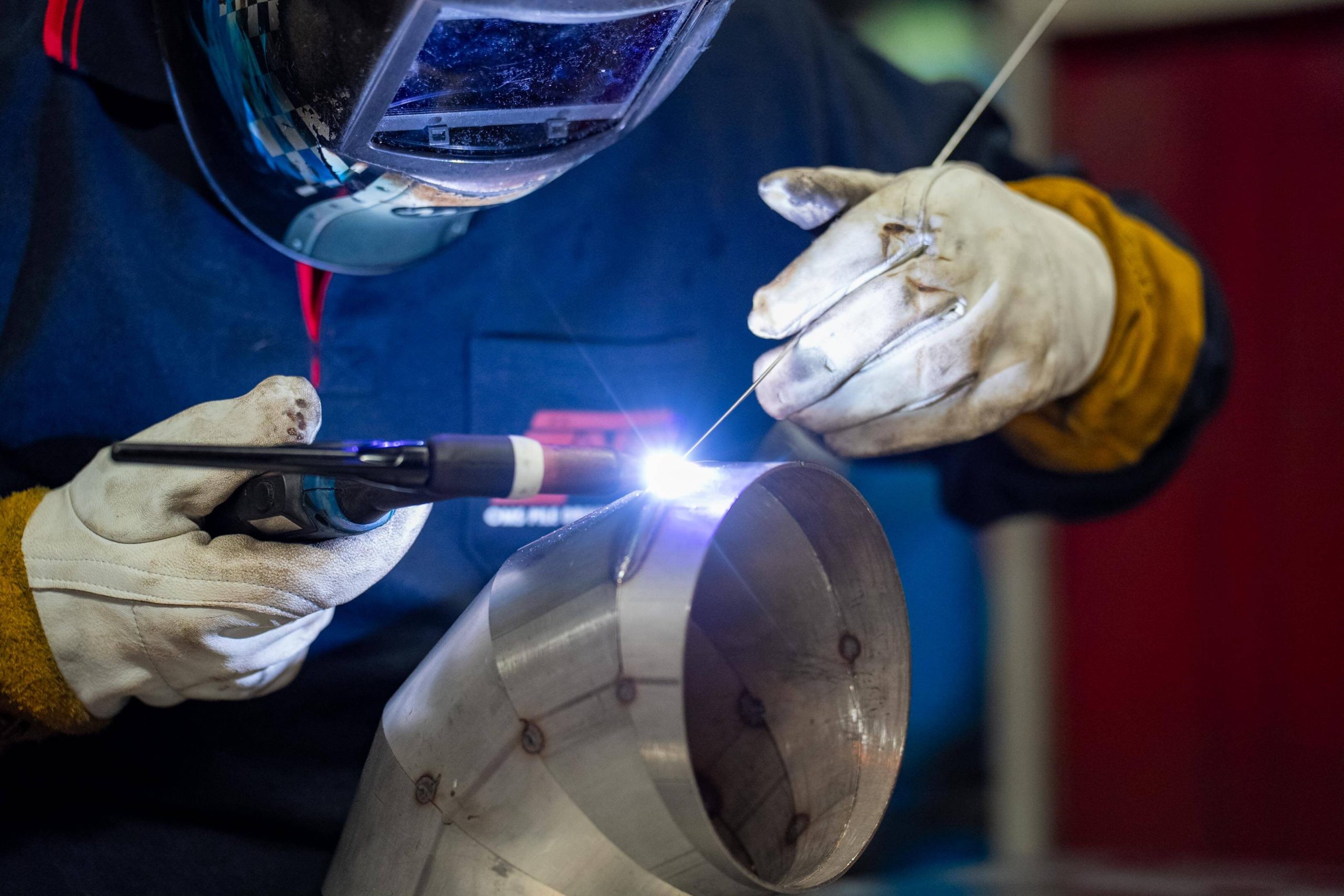
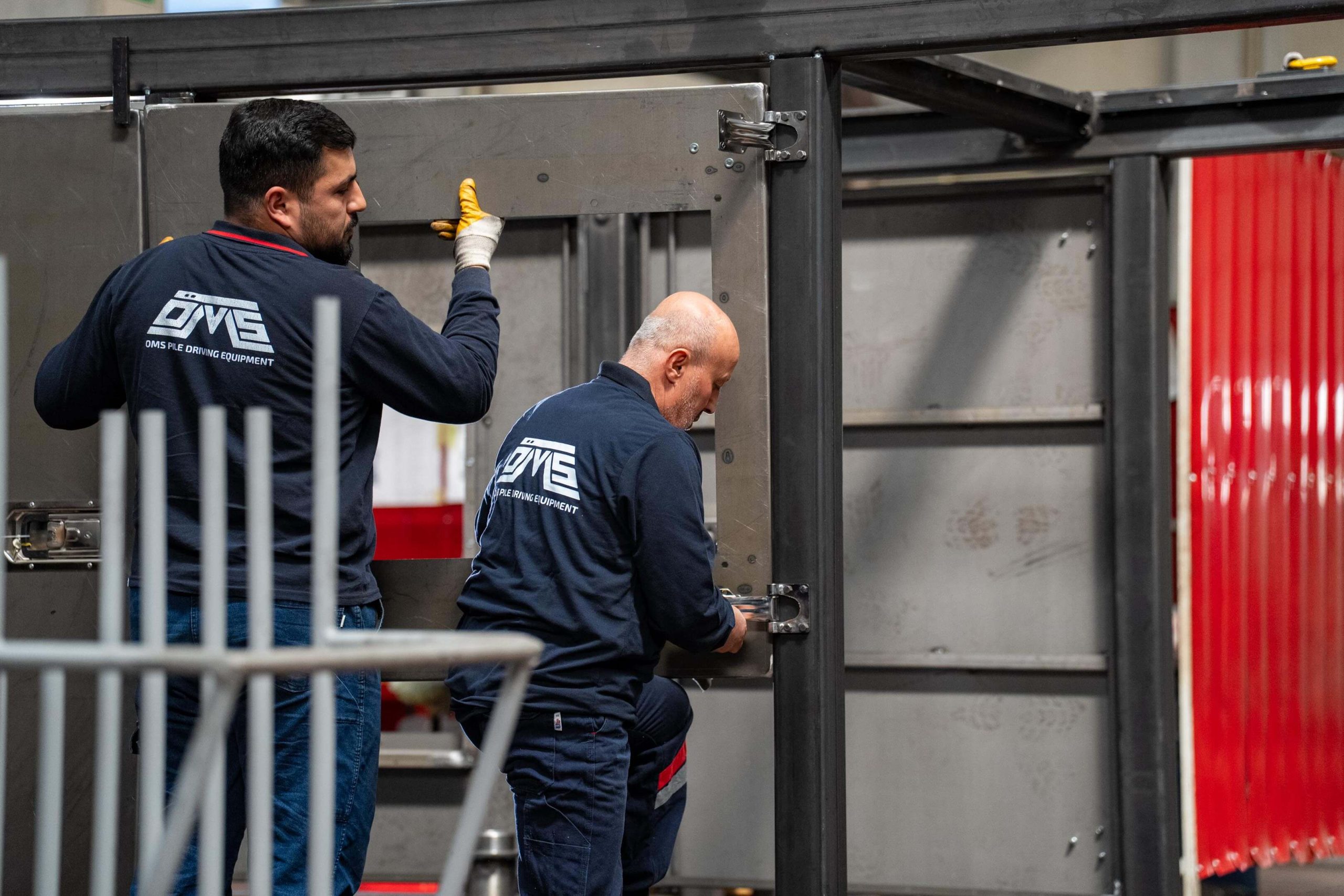
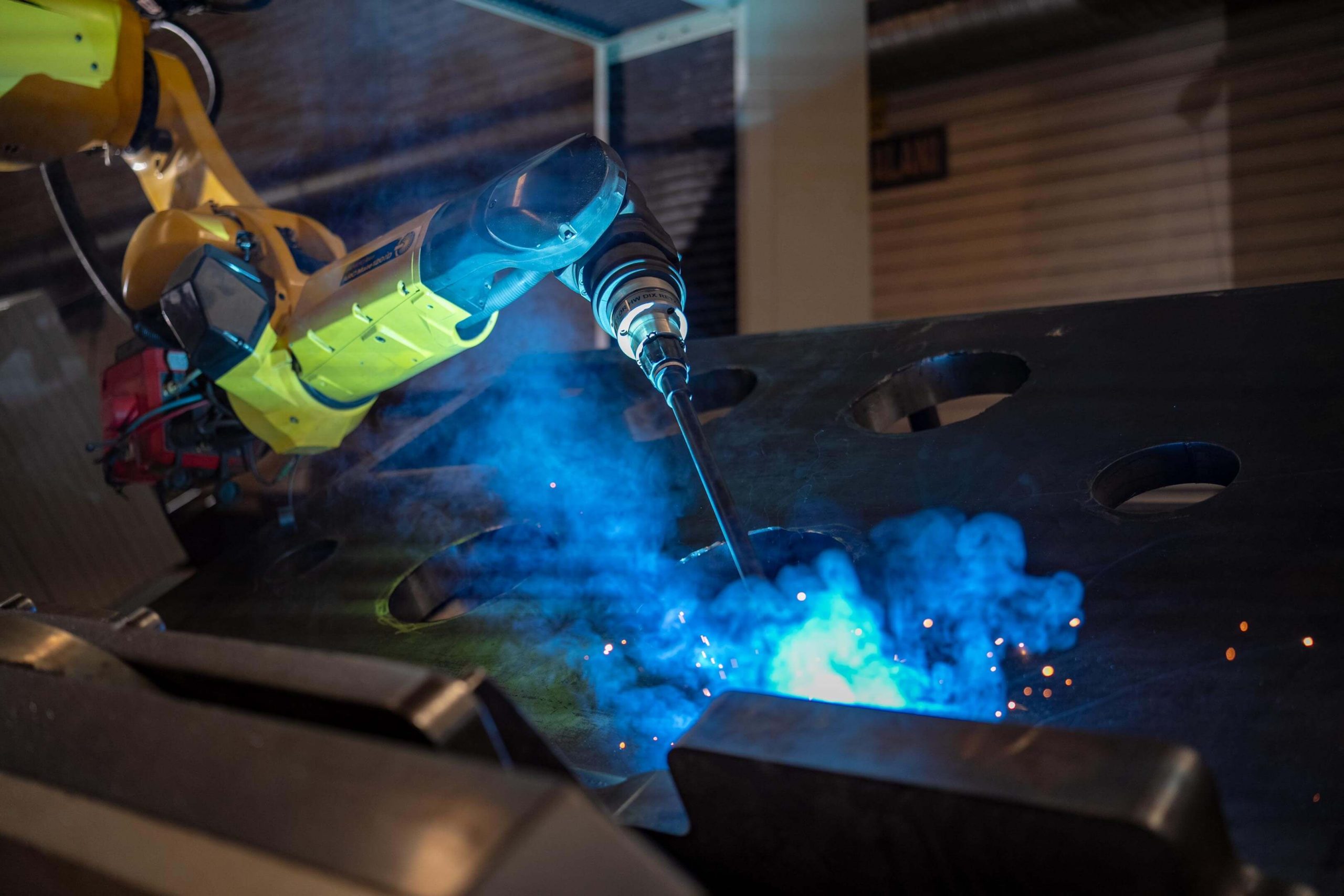
The manufacturing process also includes welding and structural fabrication where required by the equipment design.
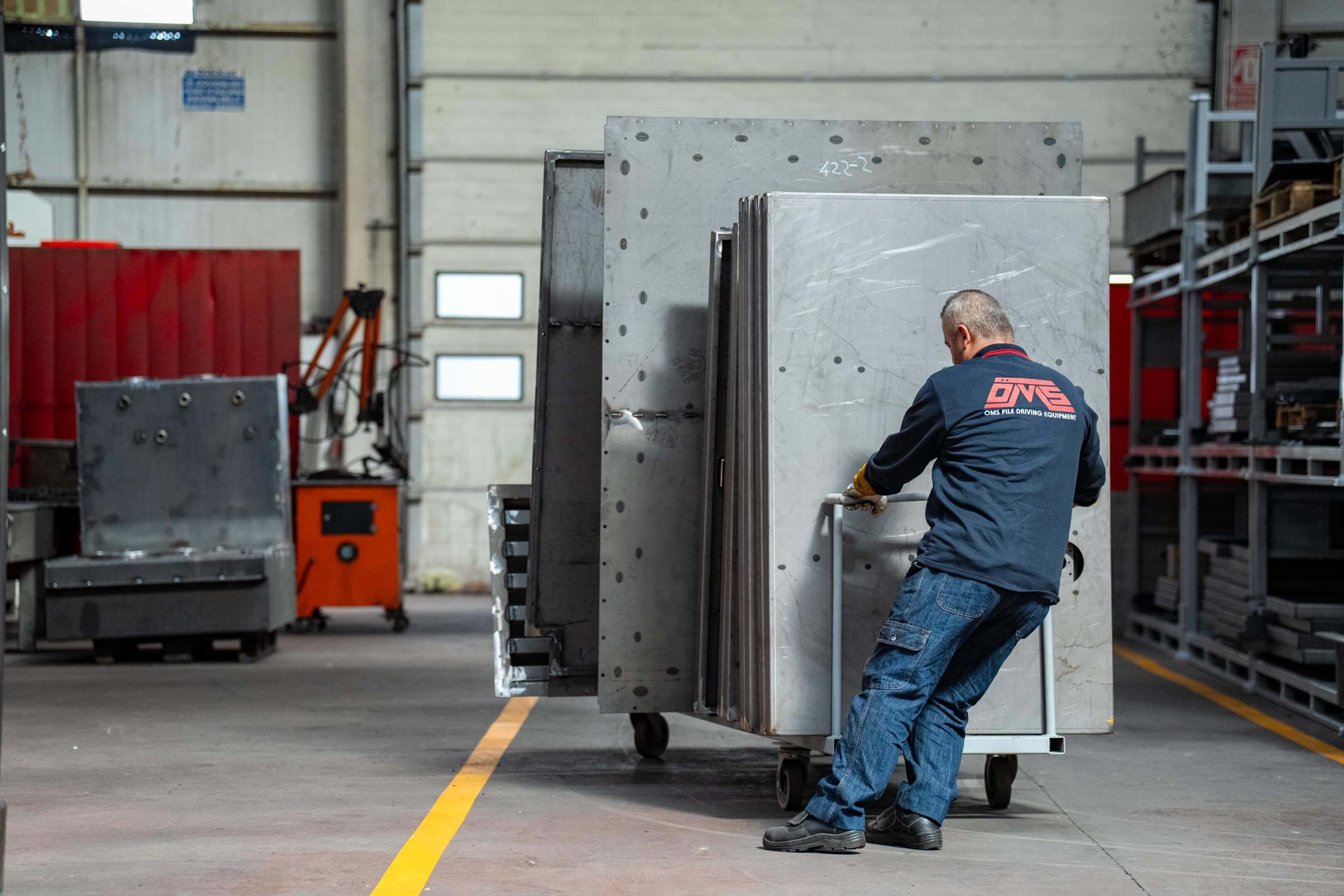
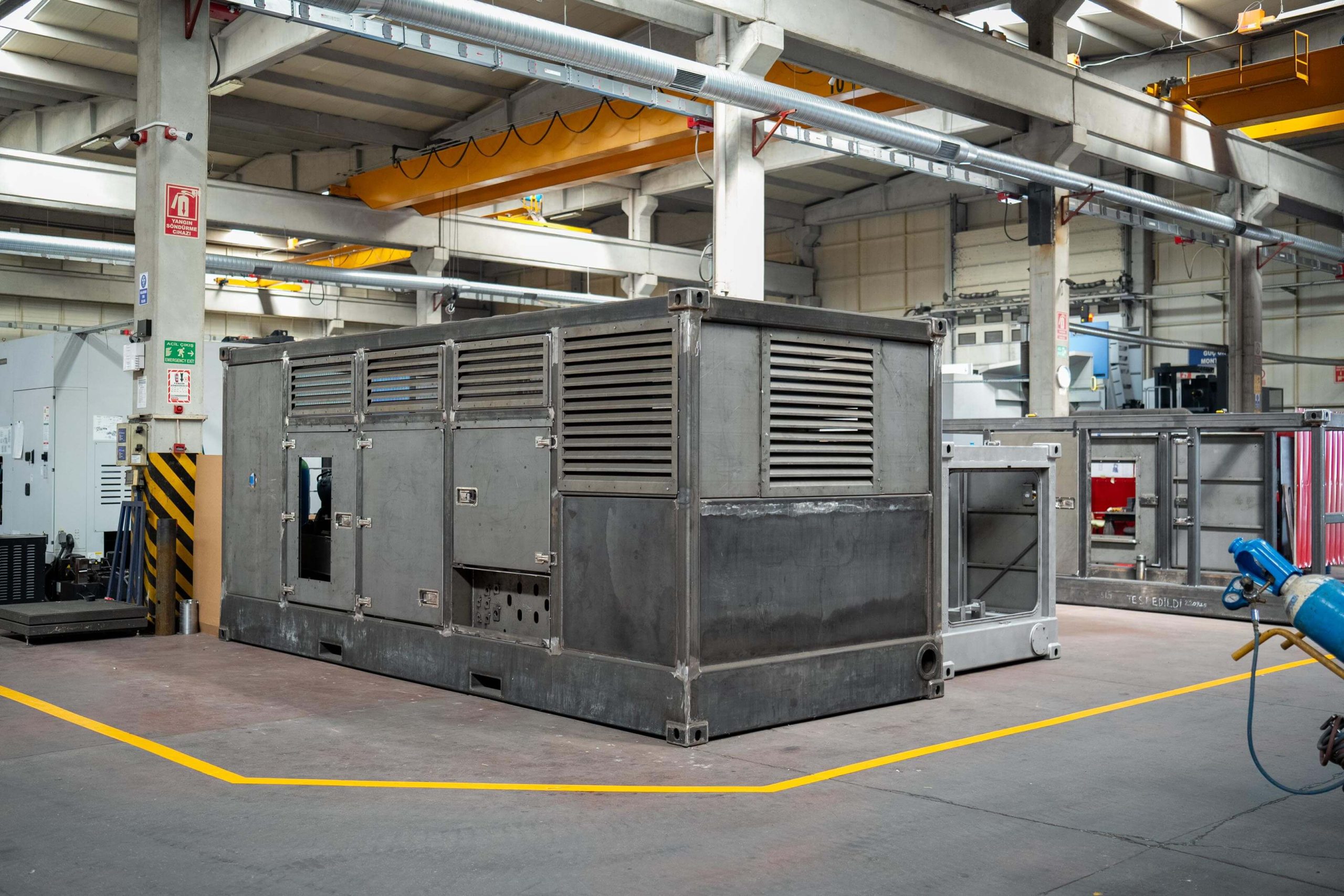
Structural components are produced according to their approved geometry, material and connection requirements. Fabricated structures must provide the necessary interfaces for machined parts, hydraulic components, mounting points and other machine elements that will be integrated later in the production process.
Machining and fabrication therefore operate as connected manufacturing activities rather than independent processes. A fabricated structure may incorporate machined interfaces, while a machined component may ultimately depend on the dimensional accuracy of the structure to which it is connected.
For this reason, manufacturing follows the technical requirements defined for each component and its intended position within the complete equipment configuration.
Production of Machine-Specific Components
OMS Vibro manufactures equipment with different mechanical and hydraulic architectures. A crane-suspended vibratory hammer does not require the same component arrangement as an excavator-mounted system, hydraulic power pack, hydraulic clamp or ground improvement machine.
Production routes are therefore defined according to the component and machine configuration rather than applying one identical manufacturing sequence to every product.
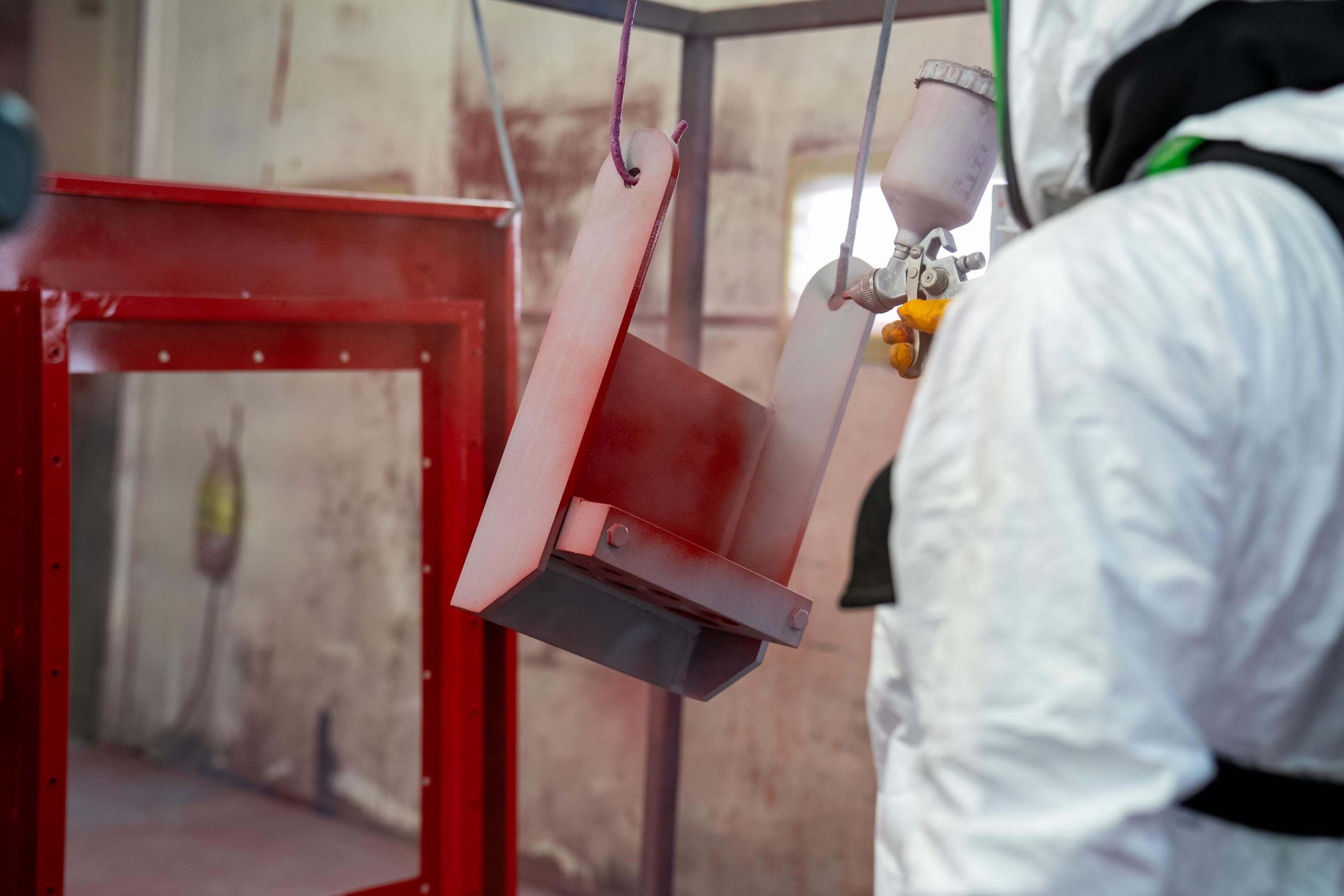
Mechanical housing, structural parts, connection elements and other manufactured components are produced according to their specific function within the equipment. This component-level production approach allows different OMS Vibro product families to be manufactured within a common engineering and production framework.
Controlled Production Flow
Manufacturing requires coordination between different operations so that each component reaches the next stage in the correct condition and production sequence.
Manufactured components are identified and managed according to their intended machine configuration. Machined and fabricated parts proceed through the necessary production stages before being released for later integration.
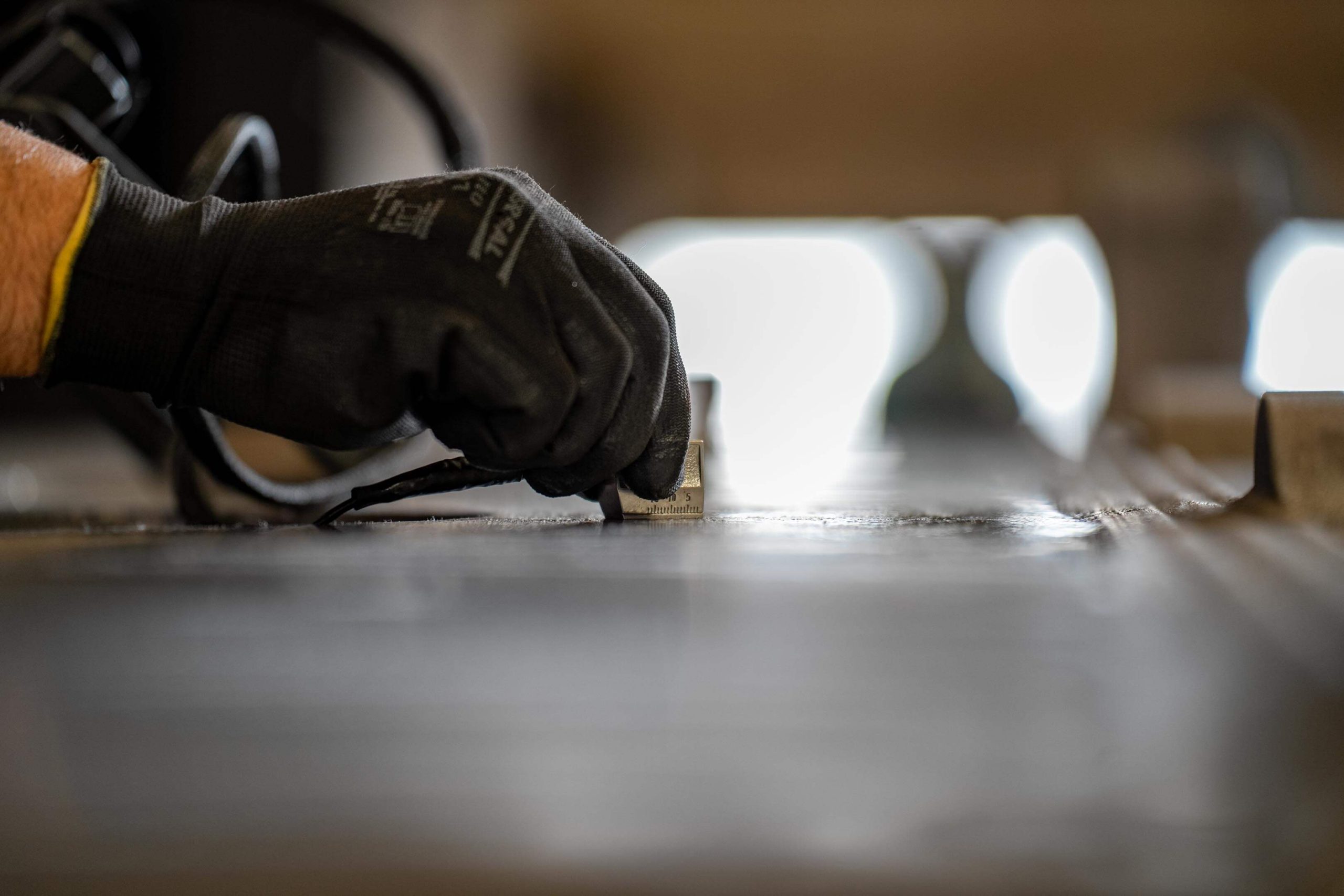
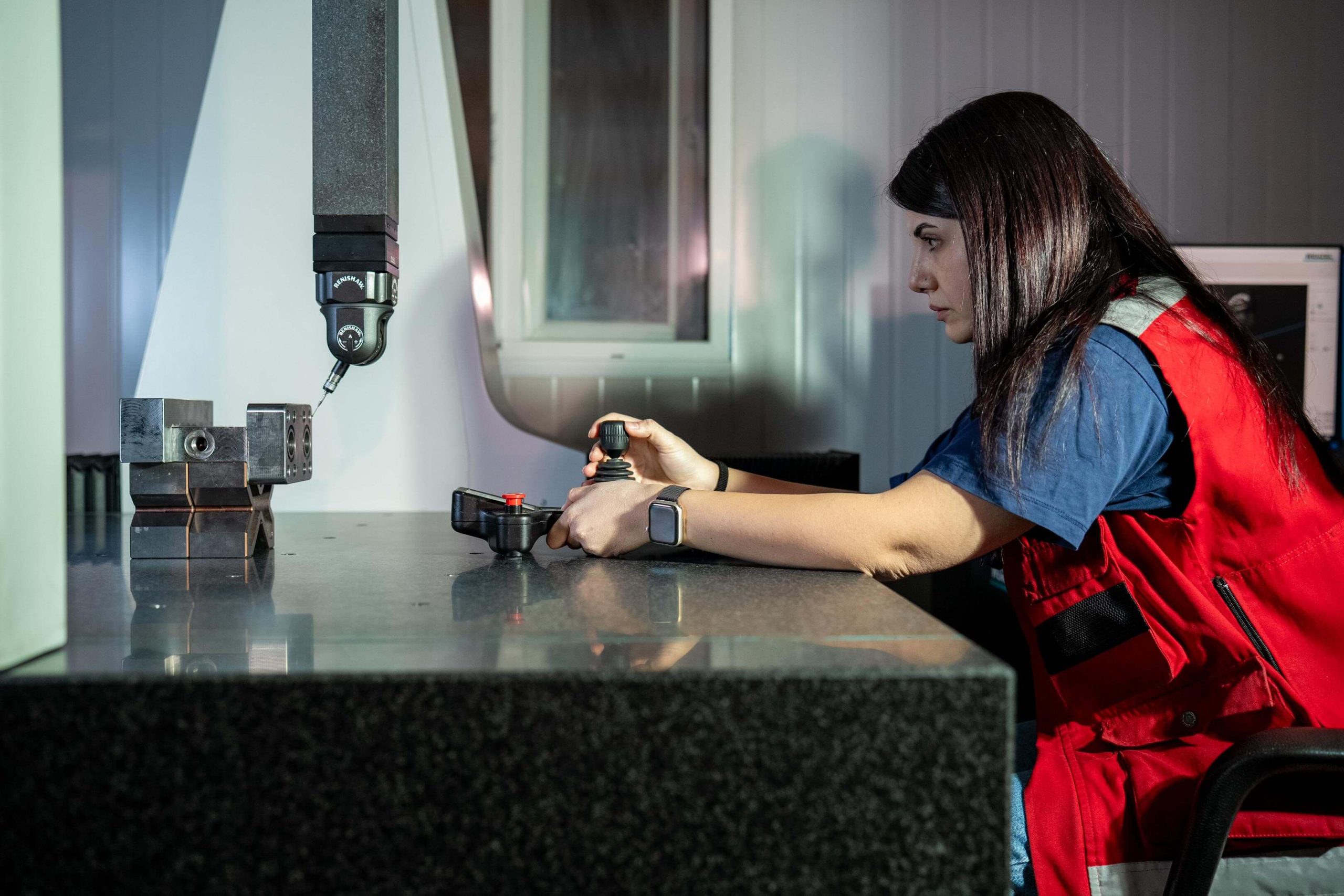
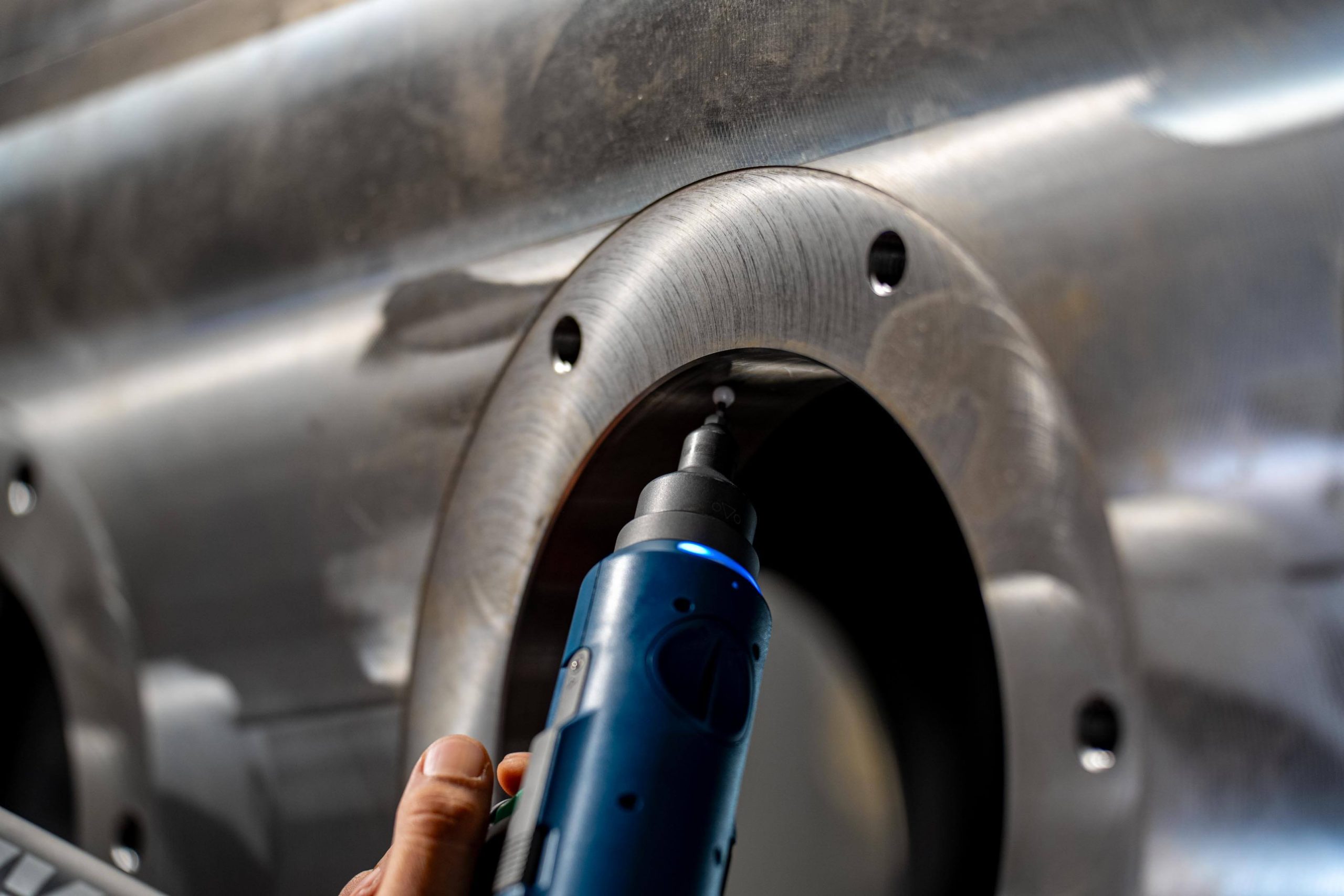
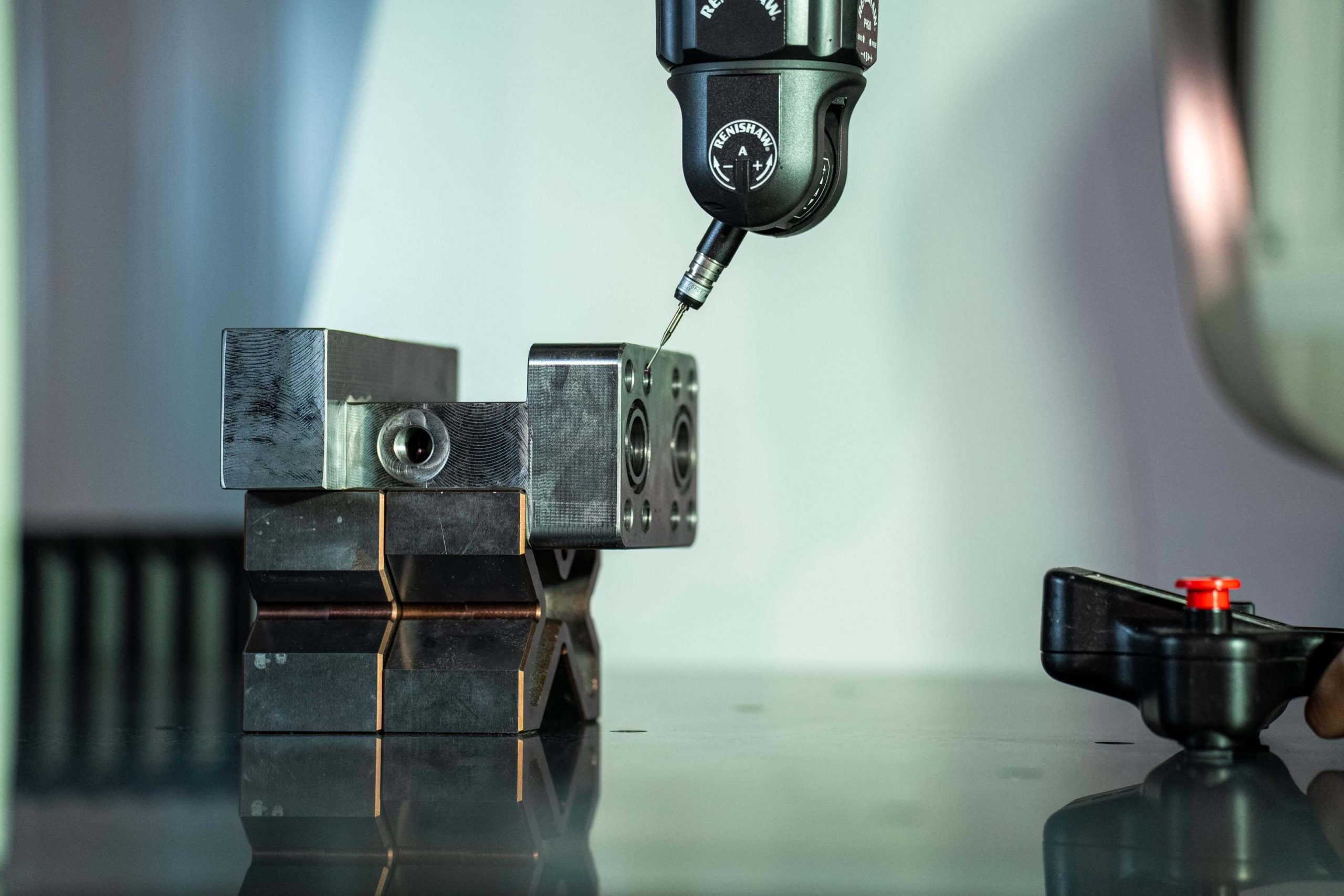
Inspection activities take place throughout this flow, but detailed dimensional checks, material verification, non-destructive examination and acceptance methods belong to the dedicated Quality Control process rather than the Manufacturing page.
Only components that satisfy the applicable production and acceptance requirements proceed toward the next stage. The current OMS Vibro manufacturing process follows this controlled transition from incoming materials through CNC manufacturing and component verification.
Preparing Manufactured Components for Assembly
Once manufacturing operations and the required component acceptance processes are completed, approved parts are prepared for transfer to assembly.
At this point, the focus changes from producing individual parts to integrating mechanical, hydraulic and electrical systems into a complete machine. Because this requires a different workflow, connection sequence and system-level control, assembly is covered separately under the Assembly.
The Manufacturing therefore ends at the point where completed and accepted components are ready for machine integration.
Quality Control as a Separate Production Function
Quality Control works alongside manufacturing but has a different technical purpose.
Manufacturing creates components according to engineering and production requirements. Quality Control verifies whether the component meets the applicable acceptance criteria through the required inspection and measurement methods.
From Production to Testing and Validation
Manufacturing does not include the final functional evaluation of the complete machine.
After manufactured components have passed the required controls and the equipment has completed assembly, the finished system proceeds to factory testing. Mechanical, hydraulic and electrical systems are then evaluated as a complete operating machine.
OMS Vibro performs these checks on completed equipment before shipment, including evaluation of hydraulic and operating parameters under controlled conditions.
The complete procedure is explained on the Testing and Validation page.
This creates clear engineering and production sequence:
Engineering → Manufacturing → Quality Control → Assembly → Testing and Validation → Delivery and After Sales
Manufacturing as Part of the Complete Equipment Lifecycle
Manufacturing is one part of a wider equipment lifecycle. Engineering decisions made before and during production also influence future maintenance, replacement parts, field installation and technical support.
For this reason, OMS Vibro continues the equipment lifecycle through its After Sales structure. The current Engineering menu includes Spare Parts, Service & Commissioning, Training and Remote Support as dedicated support areas.